Carbon Fiber Filament Infrared Heaters: Packing a Powerful Heat Punch
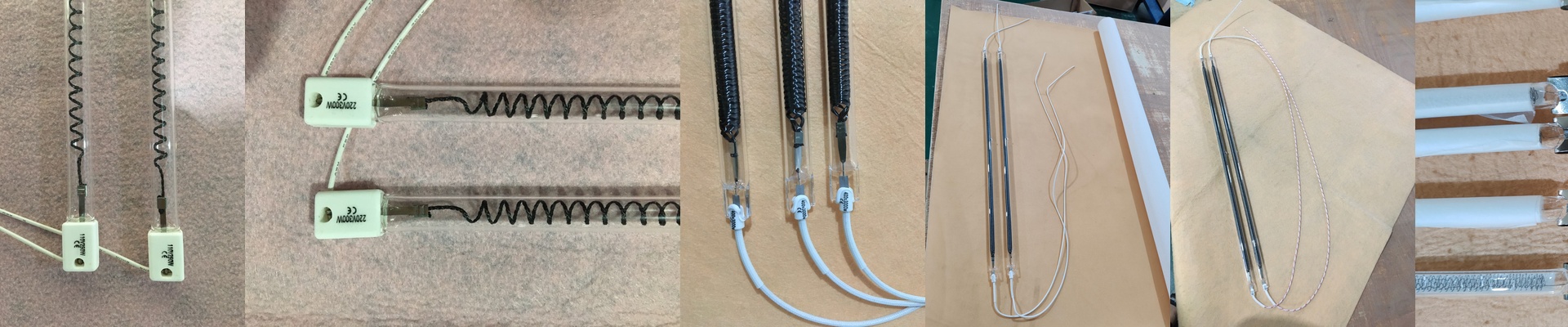
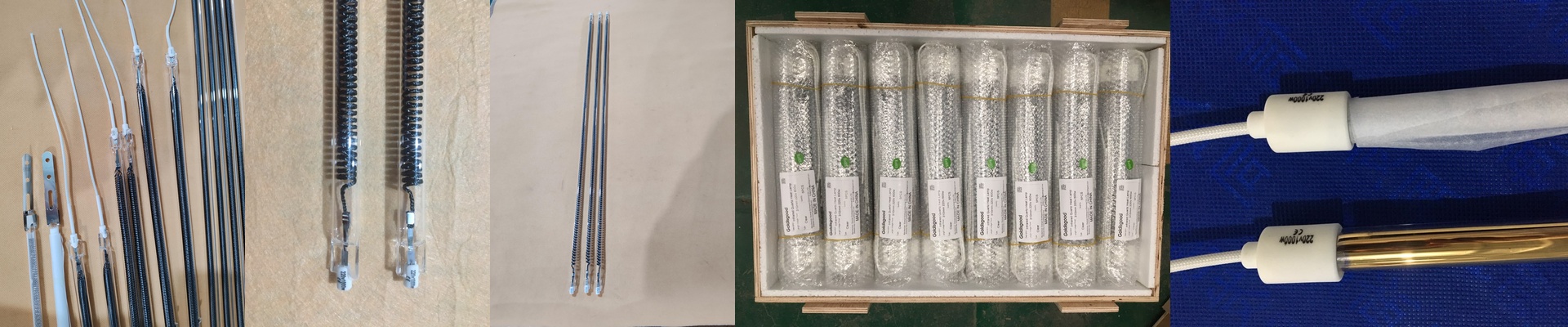
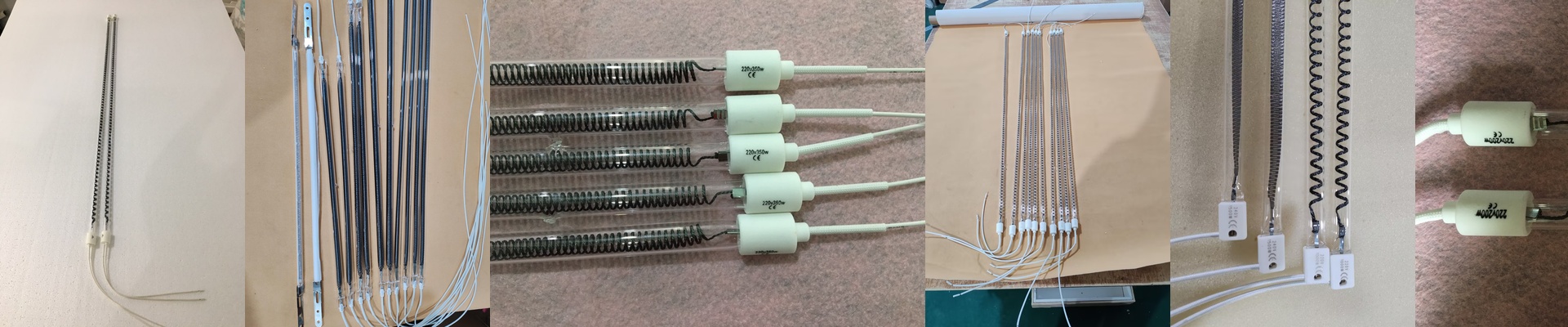
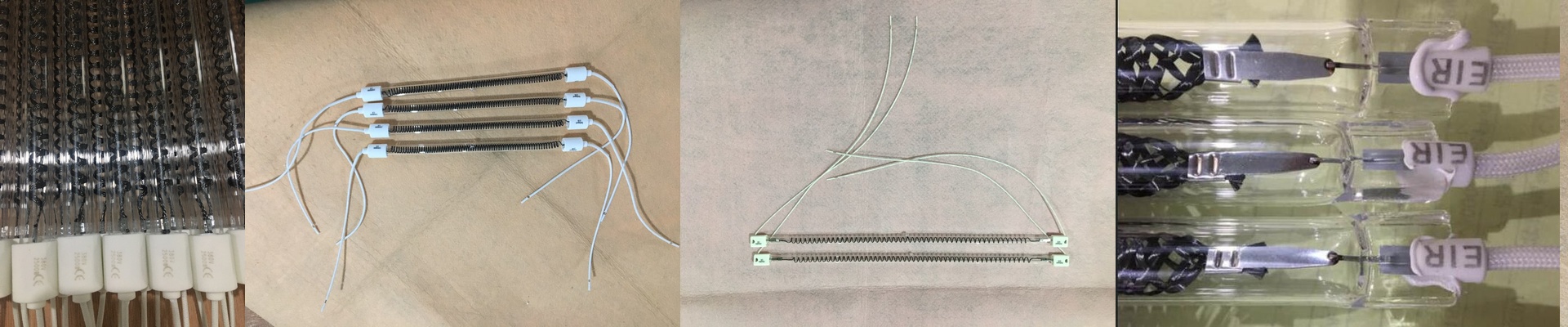
We built these carbon fiber filament infrared heaters for one simple reason: to give you serious, high-density heat in a space where other heaters just can’t cut it. If your work demands heat that snaps to attention and stays under tight control, this is exactly what you need. At the heart of it is a carbon fiber element, sealed inside a quartz tube and powered by halogen gas technology.
The Specs, Straight Up: Power, Voltage, and Size
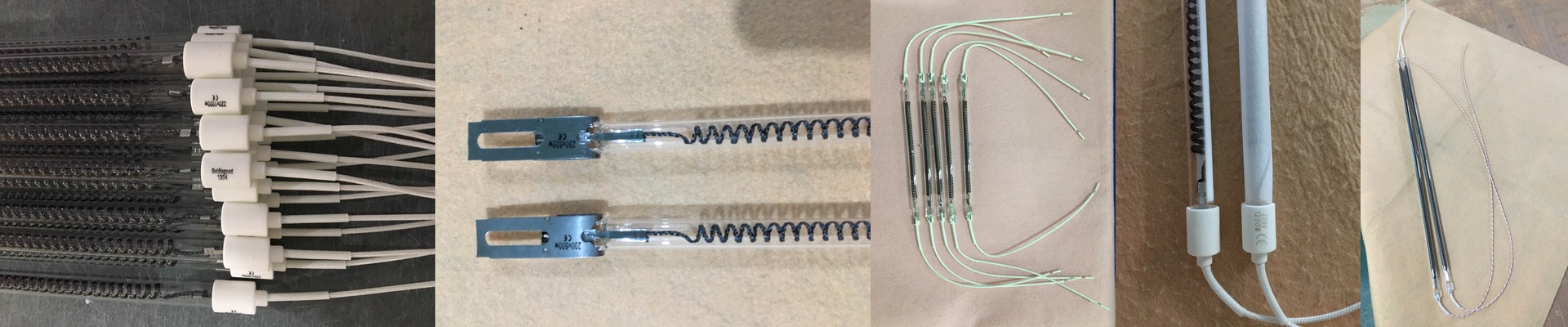
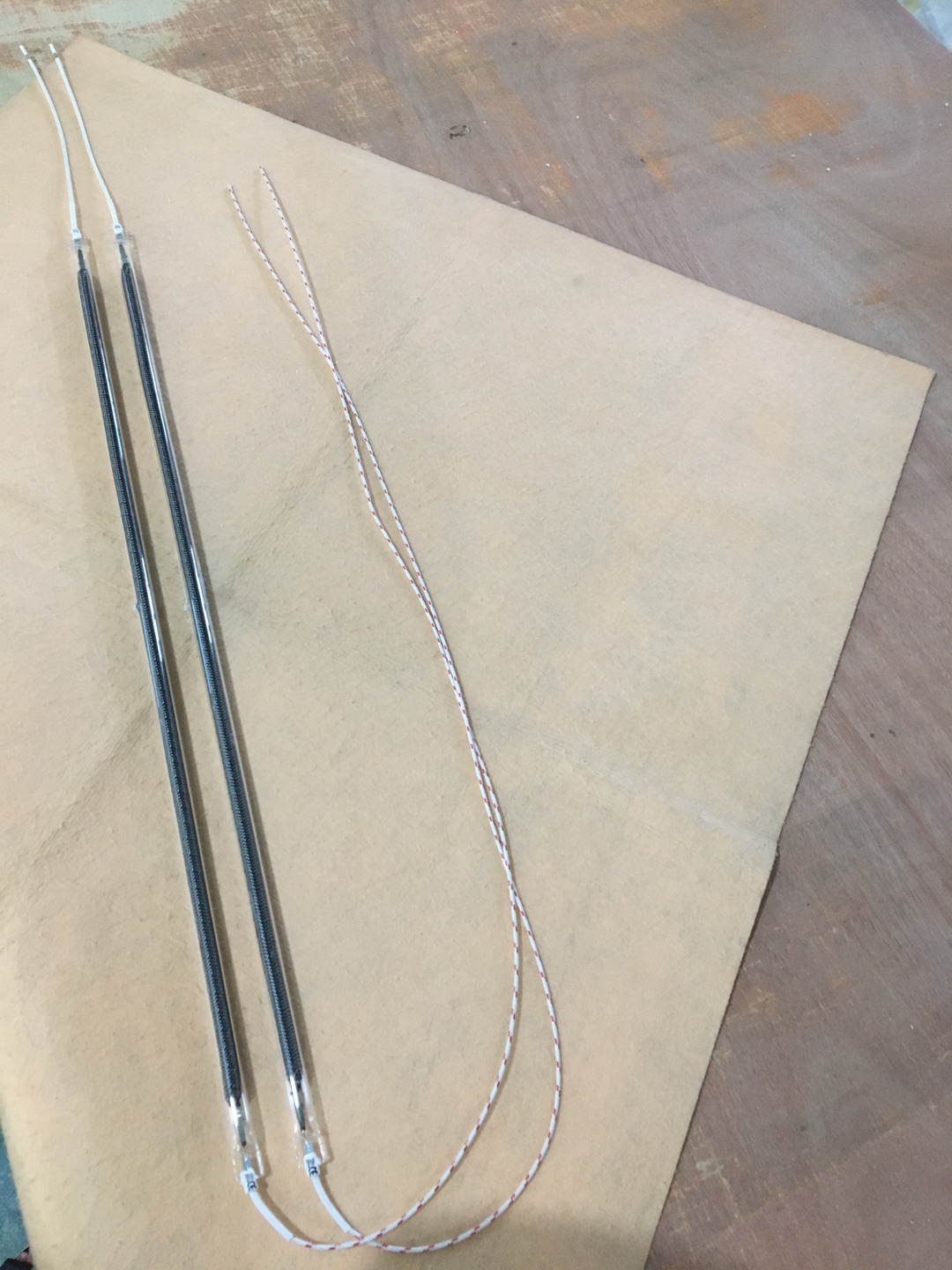
These heaters are designed to slide right into your setup without a fuss. You can choose the voltage that matches your control gear—we often see 400V configurations, for instance. And the wattage? It’s high, because the whole point is to blast out a concentrated, focused wave of infrared. The heater itself is compact, usually around 300mm long. So you get a small footprint, but a seriously defined heat zone. It’s the kind of setup that gives you maximum heat density without demanding a bigger machine bay. But here’s the honest part: that much power packed into a small space means you need proper cooling and enough room for the heat to go.
What’s Inside: Halogen, Quartz, and a Smart Connection
The carbon fiber filament lives inside a quartz tube. Why quartz? Because it can handle sudden temperature swings and it’s rock-solid at sending out infrared. Halogen gas fills the tube, and it does a crucial job: it stops the filament from evaporating, so the output stays steady over time. This is what keeps the heater performing consistently, no matter how many times you cycle it on and off. And for the connections, we use an R7s double-ended connector. It’s simple, secure, and handles the expansion and contraction of the tube. That means it’s an easy, drop-in replacement for many standard fixtures.
Where It Shines: Precision, Speed, and Easy Swaps
These heaters really come alive when you need heat fast—like, really fast—and you need to put it exactly where you want it. Think about drying plastics, curing, or preheating a specific spot. The infrared energy goes straight to the surface, so you’re not wasting energy heating up the air around it. The compact size and the R7s connection make it easy to integrate and quick to replace, which means less downtime. The halogen design helps extend the life of the filament, but you still want to keep an eye on the ambient temperature and airflow around the unit. Just match the voltage and wattage to your needs, and you get reliable, controllable heat right where it matters.