How to Stop That Annoying Brake Squeal
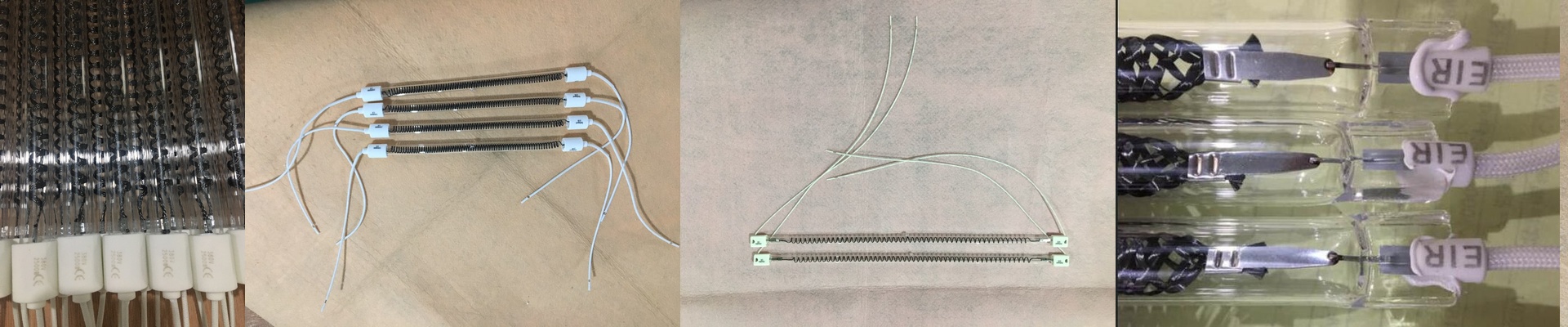
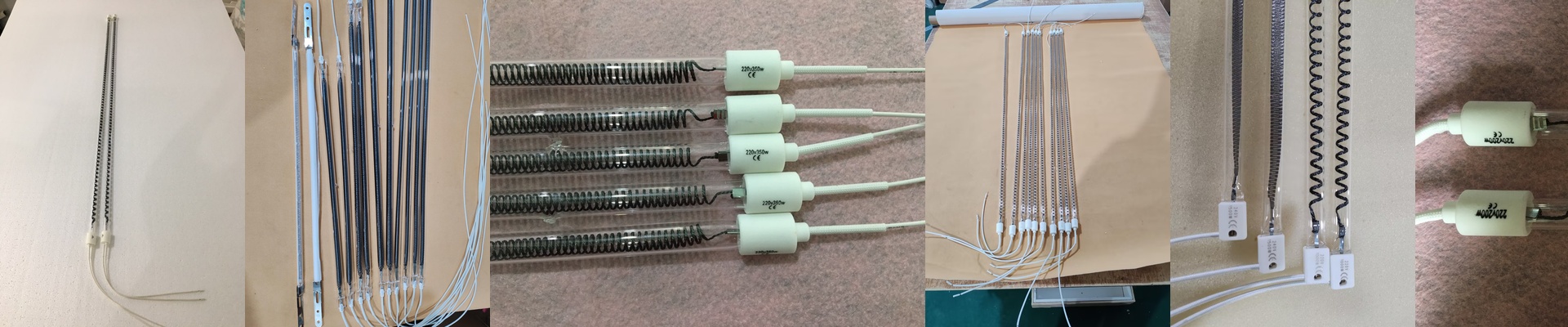
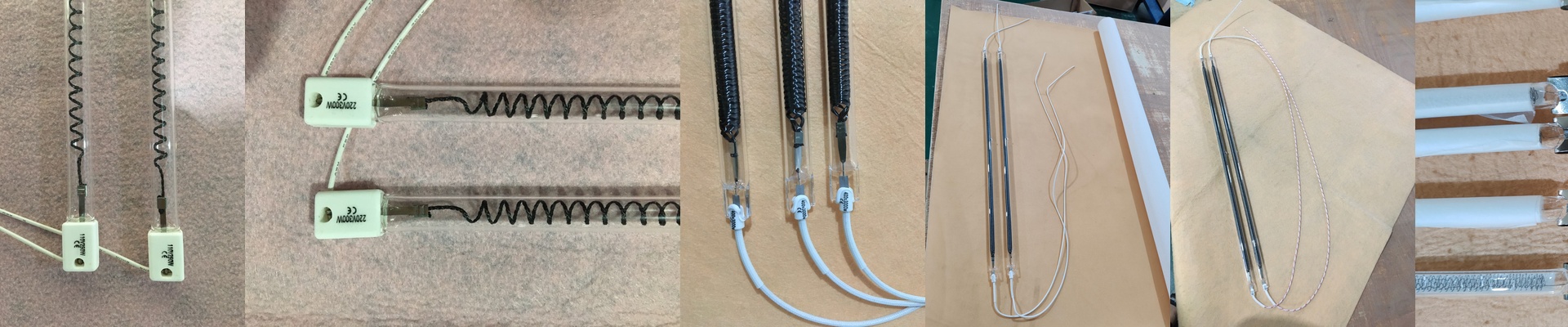
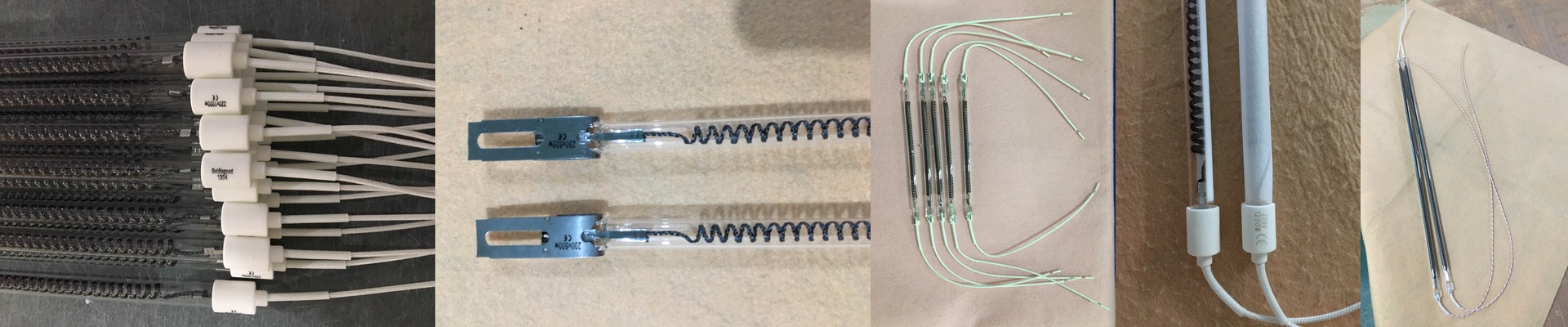
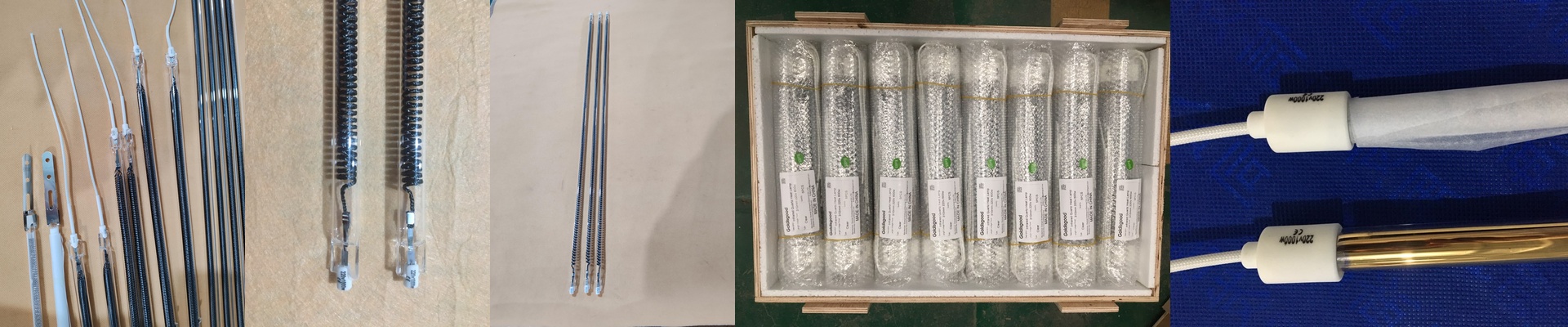
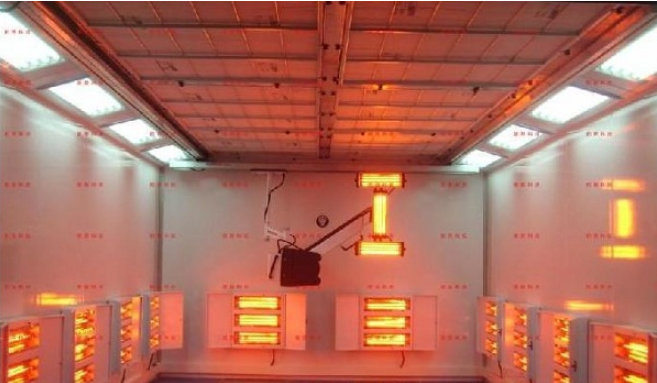
Ever wonder why some brake pads just won’t stop screaming? Usually, it comes down to how they were cured. If the outside of the pad hardens way faster than the middle, you end up with a mess of internal stress and weird density spots. When you hit the brakes, those inconsistencies cause vibrations. And vibrations? That’s where the noise comes from. The problem is that standard ovens just blow hot air. They cook the pad from the outside in, which is exactly what we’re trying to avoid. Getting the heat where it actually matters This is where short-wave infrared (IR) comes in. Instead of relying on hot air, IR radiation sinks right into the friction material. Think of it like this: the energy doesn’t just sit on the skin; it hits the molecules throughout the entire pad. This means the resin cures at the same speed in the core as it does on the surface. You end up with a part that’s consistently hard all the way through. No surprises. The balancing act Of course, you can’t just crank the power and walk away. If you push too much wattage too quickly, you’ll scorch the surface before the center even warms up. It’s a delicate balance between your emitter power and how fast the belt is moving. Plus, you have to get the wavelength right. If it’s off, the energy just bounces off the surface like a mirror. We spend a lot of time tuning those emitters to make sure the heat actually sinks into the composite. The messy reality of high heat Here’s the catch: these high-intensity IR arrays put out a massive amount of heat. If your conveyor housing isn’t heavily insulated and vented, you’re going to have problems. I’ve seen folks fry their control electronics because their cooling fans weren’t up to the task. To keep things from going sideways, we suggest putting independent temperature sensors in a few different zones. It’s the easiest way to spot a hot spot before you accidentally scrap an entire batch of pads.