Shortwave IR Halogen Lamps: The Secret to Crack-Free Brake Pads
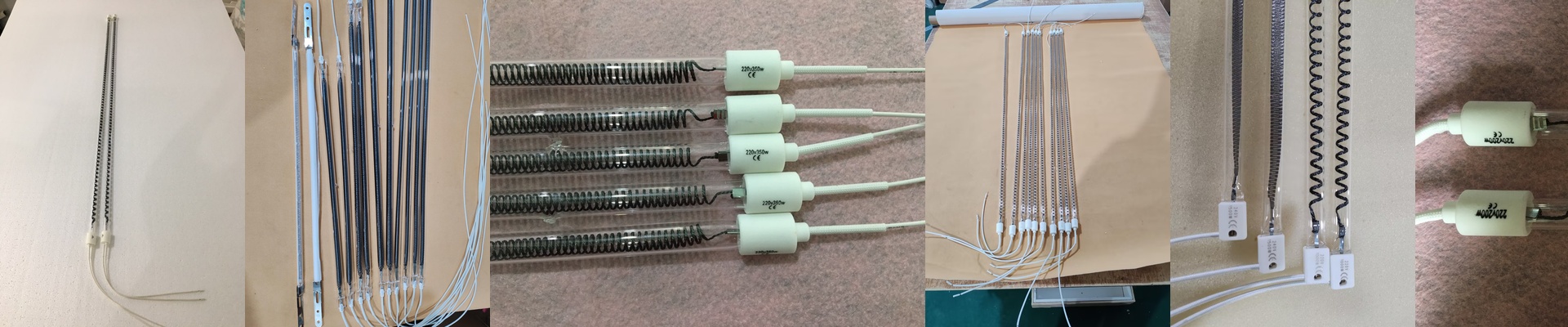
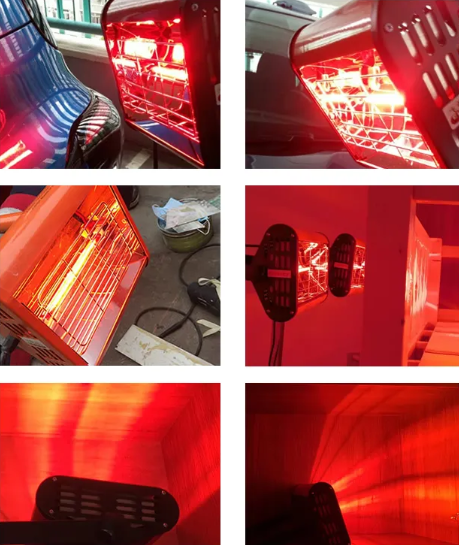
We built these shortwave infrared halogen lamps for one reason: to cure brake pads fast—without creating thermal stress that leads to cracks and voids. The idea is simple. Give the friction compound rapid, controllable heat that penetrates evenly. No hot spots. No guesswork. Just clean, precise curing.
Power, Voltage, and Geometry—Why It All Matters
Here’s the thing about brake pad curing: you need serious energy, fast. Shortwave IR halogen lamps deliver that intensity. A typical unit hits 2500W and runs on 400V. That voltage choice isn’t random. It lowers the current draw on the supply and wiring, which means you can use smaller conductors and lose less energy at the connections. And the length? We size it to match the press or oven zone—usually around 300mm—so the heat lands exactly where the pad needs it. The physics are the real hero. Shortwave IR gets right into the friction material, heating it from the inside out. That cuts down the time the binder resin spends in uneven temperatures, which is what causes differential expansion and those tiny, annoying micro-cracks.
Built to Take the Heat: Quartz, Coating, and the R7s Base
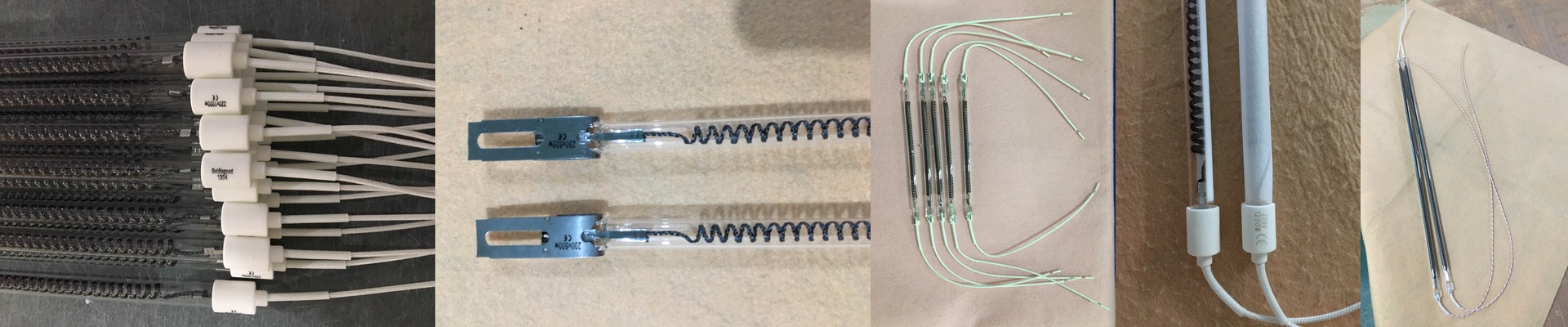
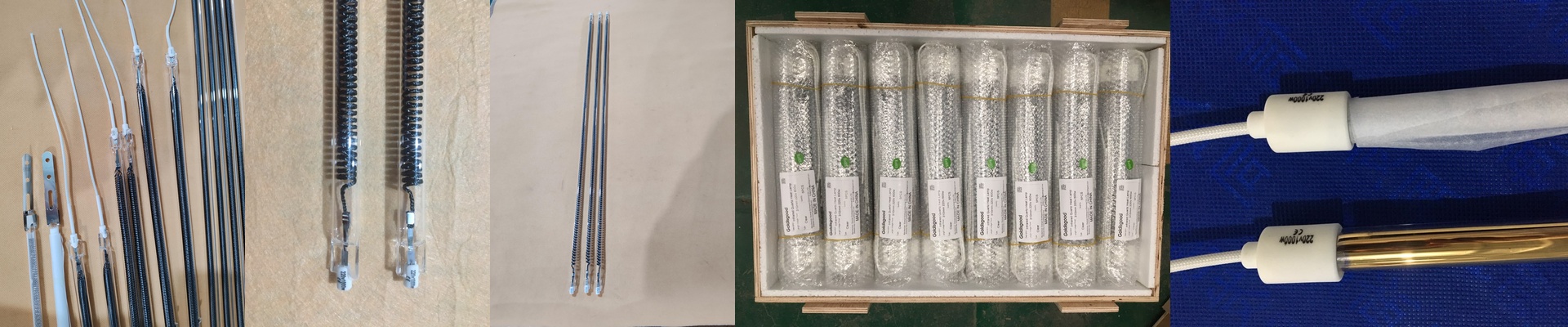
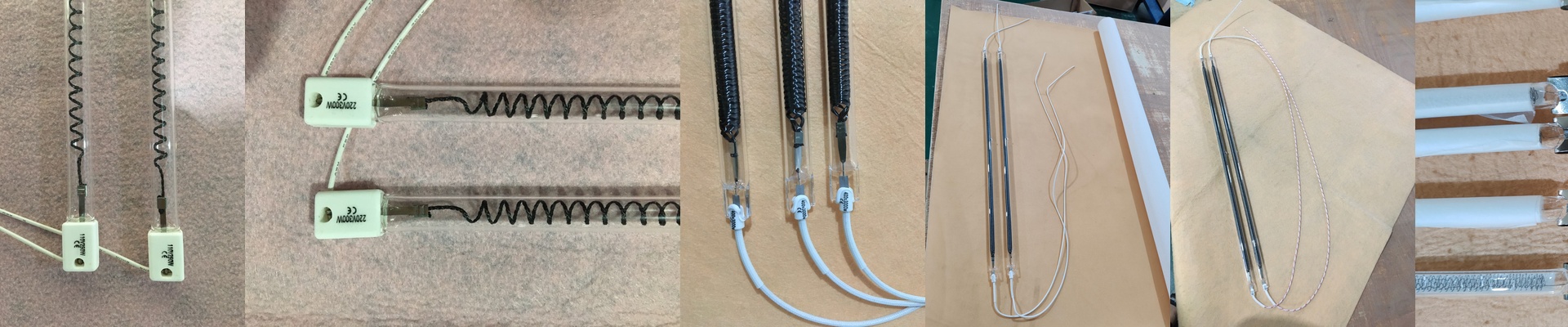
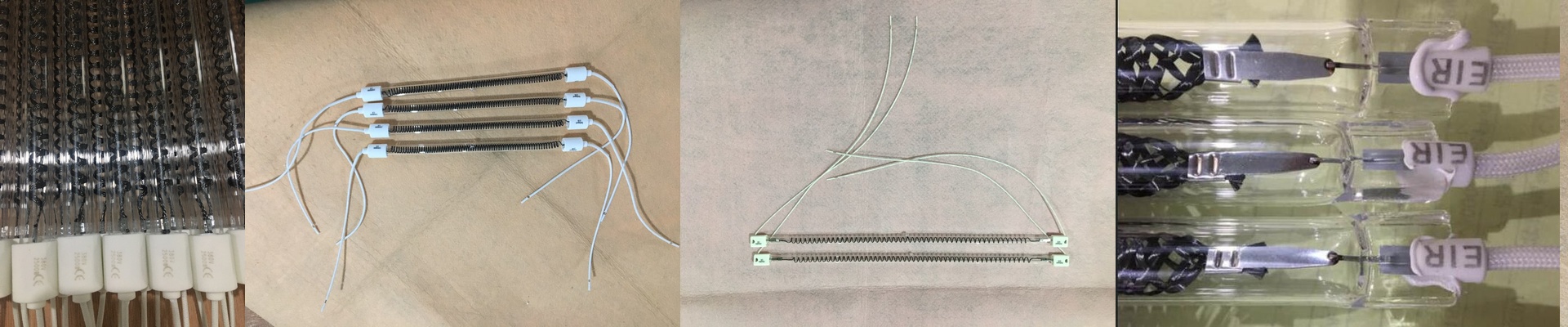
The heart of the lamp is a quartz envelope, chosen because it handles sudden temperature changes without cracking. Inside, the halogen cycle keeps the filament stable over long runs, so output stays consistent. You get repeatable results, shift after shift. We add a reflective coating on the outside to push more IR energy forward, straight onto the pad. More heat goes where it’s needed, less is wasted on the fixture. And the R7s base? It’s practical, industrial, and straightforward. It locks in place, withstands high heat, and makes replacements quick. Swap it out, and you’re back up and running. One thing to keep in mind: this is high watt density. It demands solid cooling and shielding. If the machine’s cooling is undersized, the lamp and nearby parts will run hotter than intended.
What It Means for Your Shop: Fewer Scraps, Stronger Pads
With a shortwave IR lamp, you can run a tight thermal profile. The resin crosslinks evenly, porosity drops, and surface or sub-surface cracking fades away. The payoff is a denser, more consistent friction block with predictable mechanical behavior. On the floor, that translates to fewer scrapped parts, stable cycle times, and way less rework. The lamp keeps performing through repeated heat cycles, and the R7s connection keeps maintenance fast. If you need a heating zone that cures quickly without cracking brake pads, a 400V, 2500W shortwave IR setup is the engineered way to get there.