Introduction
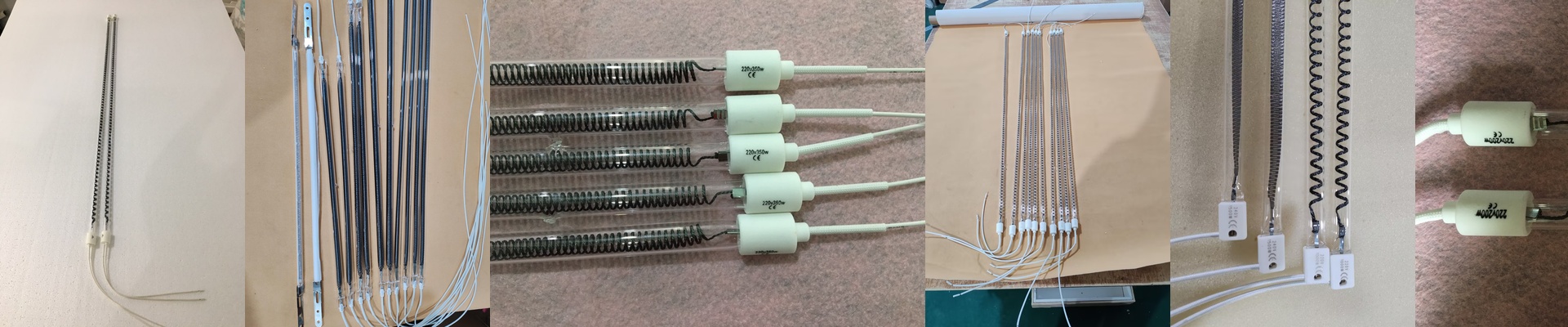
We built this carbon fiber-style medium wave heater for one simple reason: to be the heat source your demanding industrial machines actually rely on. It’s for the jobs where you can’t afford to wait around, and you need heat that’s steady and focused. Think plastic processing, coating curing, or drying parts. You need a heater that fires up instantly, holds its temperature, and gets installed without shutting your whole line down.
What’s Under the Hood
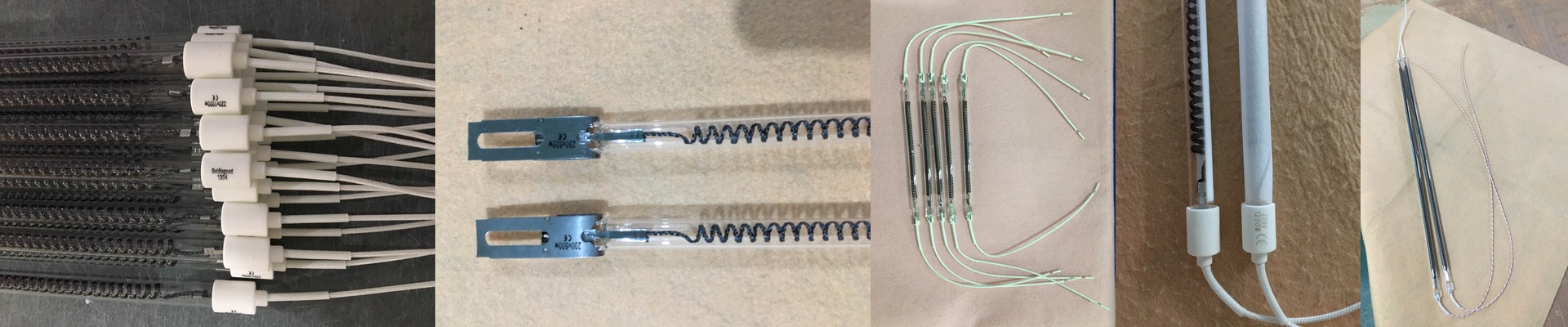
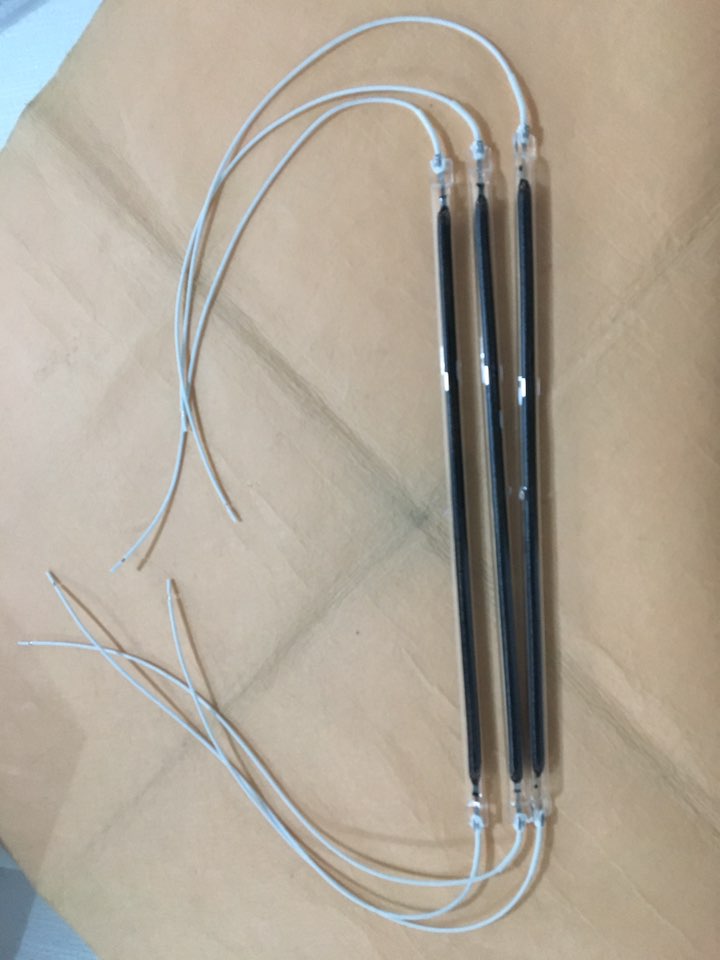
Here’s the thing about this heater: it’s designed to be a perfect fit. The active heating length is 300mm, so it slips right into tight spots without taking up more room than necessary. It runs on 400V, pulling the power needed to pack a serious punch in a small package. The wattage, length, and voltage are all matched so the filament stays within its safe zone. That means consistent output, day after day—without burning out early. And the medium wave energy is key. It penetrates materials more evenly than shortwave, so you get less surface scorching and more even heat all the way through.
Materials and Build
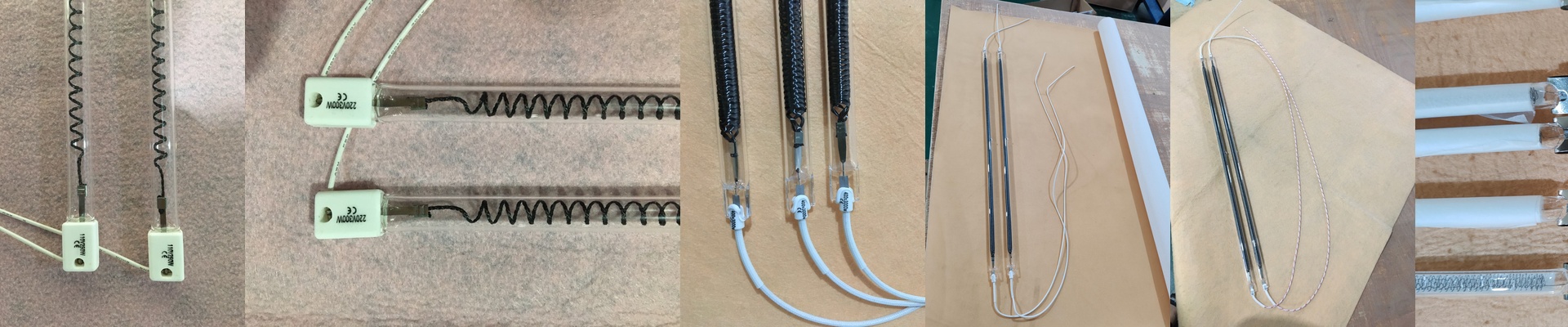
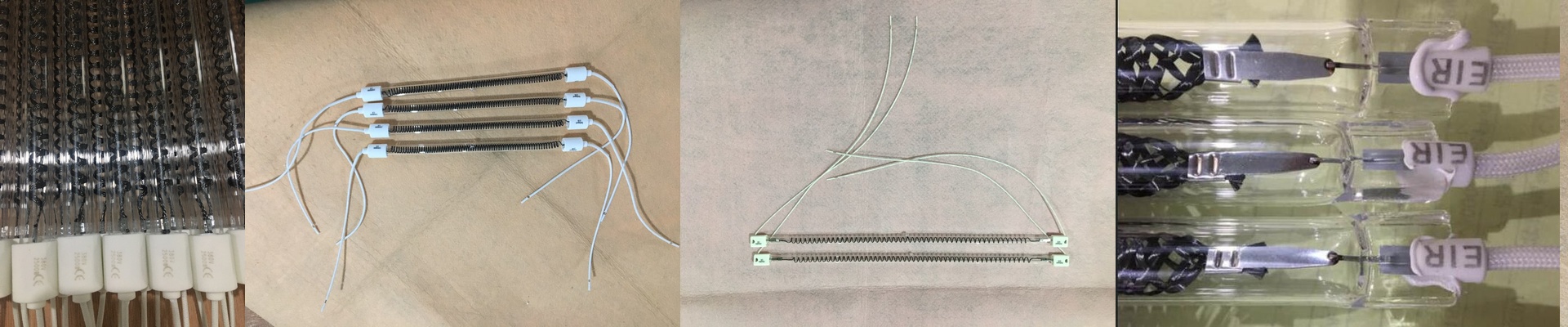
Inside, the carbon fiber-style filament sits in a quartz envelope. Why quartz? Because it handles sudden temperature shifts like a champ, and it keeps that infrared energy flowing cleanly. The internal layout keeps the filament temperature even, so you don’t get hot spots that kill service life. The R7s connector makes termination straightforward and secure—it lines up quickly and locks in place. This design can handle vibration and constant heating and cooling cycles. Just keep it aligned and keep the contacts clean, and you won’t have to worry about arcing.
Where It Shines
In the real world, you’ll see this heater in places like PET blowing, plastic welding, and curing lines. Places that need fast heat-up and predictable control. The medium wave profile gives you more uniform temperature across the target, and the compact 300mm size makes it a simple drop-in replacement. Now, there is a trade-off. That high heat density means you need solid cooling and stable voltage. But if your control system and cooling are up to the task, you get repeatable performance—every single cycle.