Technical Deep-Dive: Power, Voltage, and Dimensions
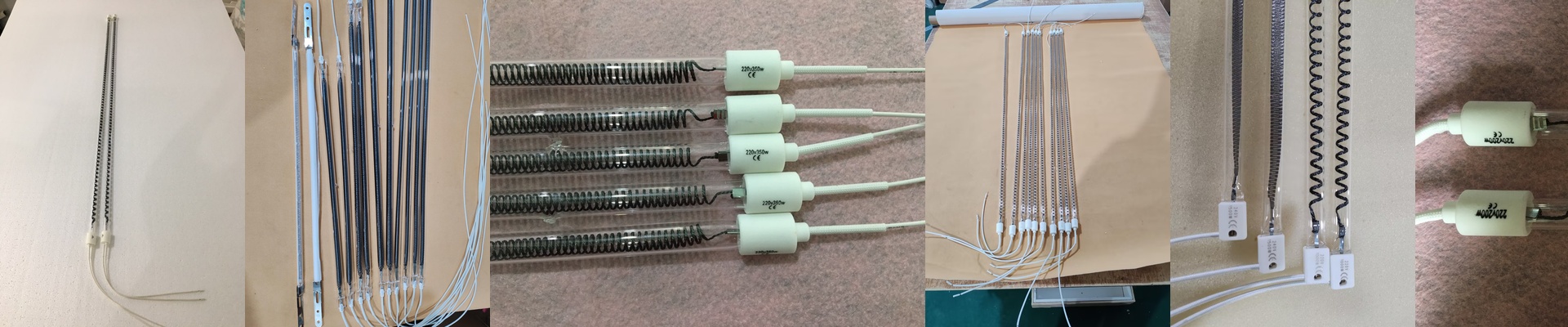
We built this carbon infrared emitter for industrial machines that need serious, focused heat—without taking up a ton of space. It runs at 400V and hits 2500W, packing a lot of power into a tight 300mm length. That means you can get real output into cramped machine frames. And that short footprint isn’t by accident. It lets you zero in on one specific line, joint, or preform—without tearing up your whole layout. Here’s the thing, though: with this kind of power, you get heat. A lot of it. A 400V, 2500W tube runs hot, and that heat has to go somewhere. Your machine’s cooling and airflow have to be up to the task. If you cut corners on ventilation, you’re risking a shorter life for your components. So plan the thermal path first. Then worry about wiring.
Material & Design: Halogen, Quartz, Coating, and Connectors
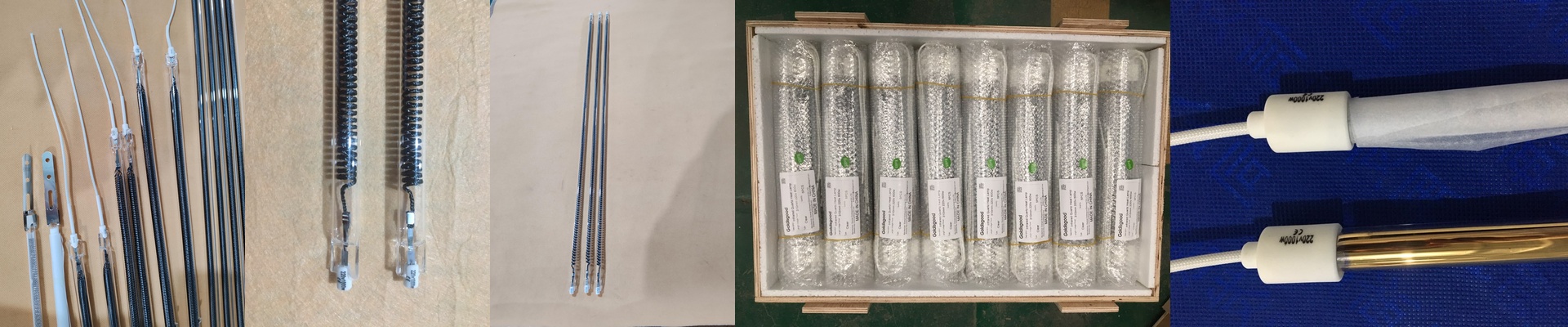
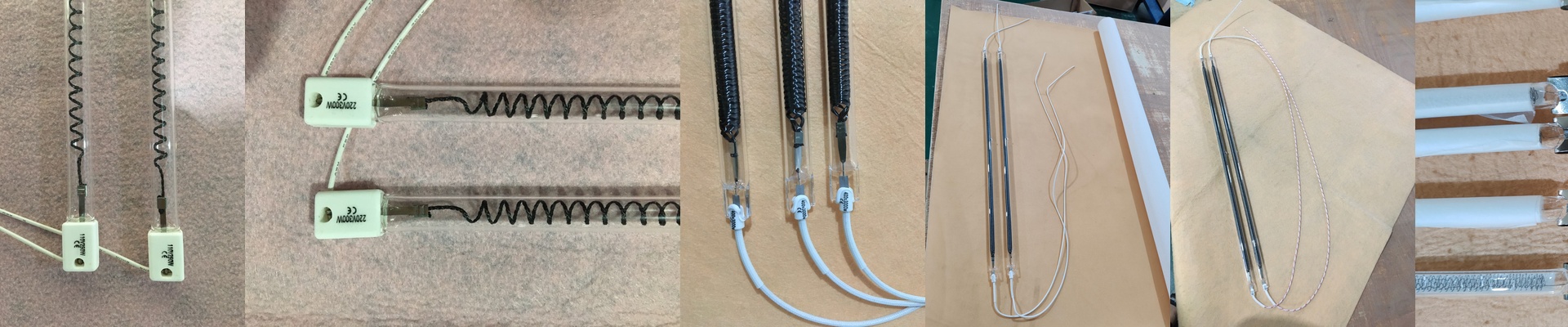
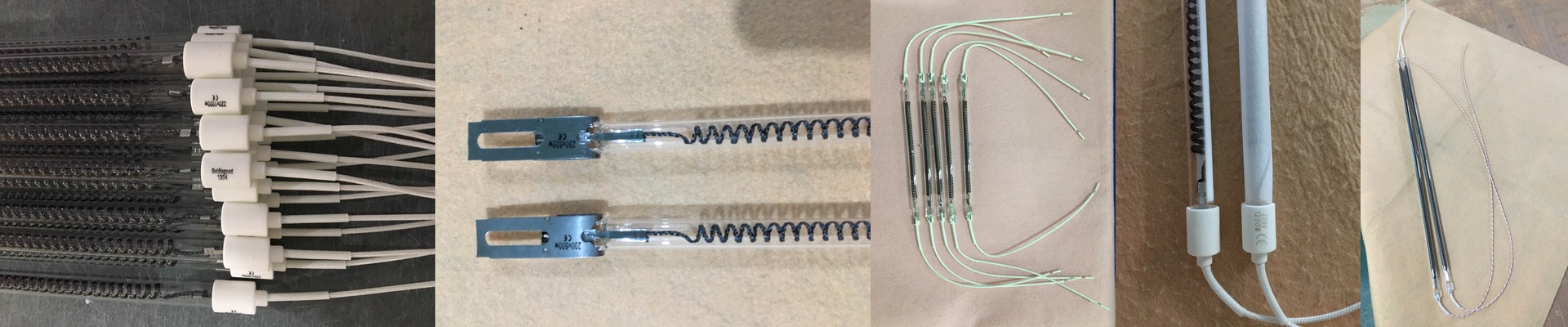
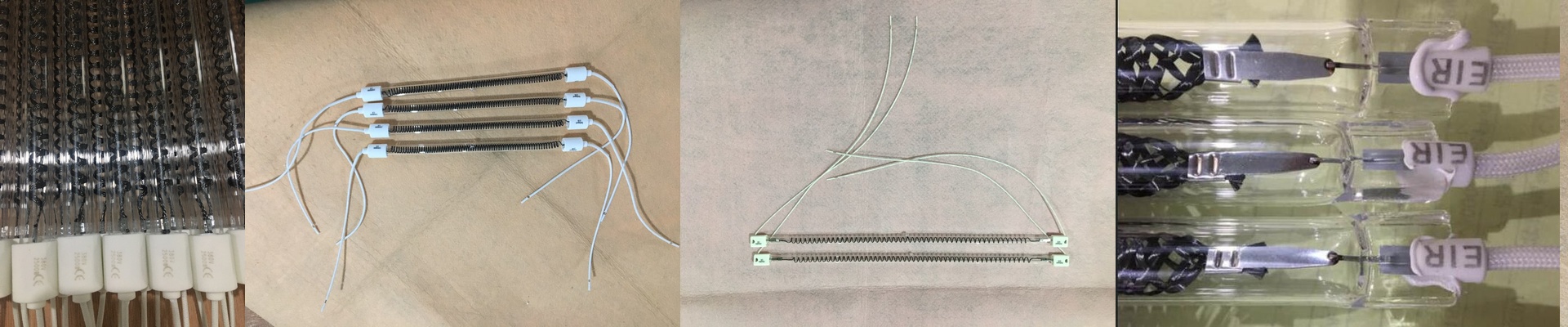
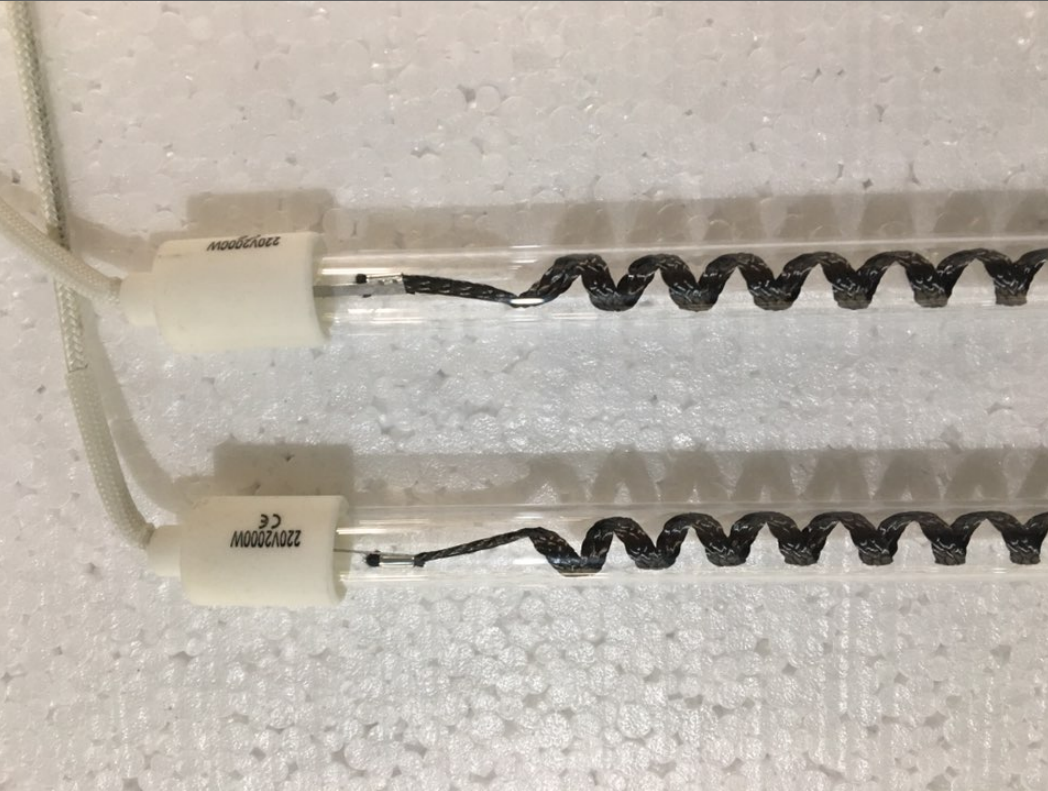
Inside, you’ve got a carbon filament tucked into a quartz envelope, plus a halogen gas fill. That combo keeps the filament stable even at extreme temps and helps prevent the output from fading over time. So you get steady performance, day after day. The quartz tube also handles sudden temperature changes and starts up fast. That matters when your cycles are short and you can’t afford to wait around for warm-up. The coating is chosen to keep the IR emission clean and targeted. It helps focus the energy where your material soaks it up best, instead of wasting power across the whole spectrum. And the R7s connector? It’s a practical call for this size. It gives you solid contact, makes lamp swaps quick, and keeps everything aligned—even in a crowded machine bay.
Application & Benefits: PET Blowing and High-Speed Heating
This setup is a natural fit for PET blowing, where you need fast, localized heating on the preform to keep cycle times tight. The shortwave IR hits the surface quickly, so you can control the heating profile without overheating nearby parts. The 400V, 2500W rating has the muscle to keep pace with high-speed machines, and the compact size makes it a straightforward drop-in replacement. You can count on consistent heat, fast response, and a tough build. Just make sure your cooling is sized right. **One important note:**If your line runs 24/7, double-check that your thermal management and electrical wiring can handle the 400V, 2500W load. Good airflow and secure connections are what keep this emitter running strong—without burning out early.