Introduction
Picture this: you’re on the line, the clock is ticking, and you need heat—fast. Not in five minutes. Now. That’s exactly who these industrial infrared carbon fiber heating panels are for. We built them for engineers who need heat they can count on, when they need it, without the hassle. They deliver intense, focused warmth exactly where you need it, especially in those tight spots where time is short and the temperature has to be just right. No room for error.
What Makes Them Tick
Let’s get into the guts of it. These panels are typically set up at 400V and 2500W. Why that combo? Because it packs a serious punch without needing huge, heavy wiring. Higher voltage means less current for the same power. Less current means less wasted energy and thinner wires, even over longer runs. And the 300mm length? That keeps the heat zone tight and focused. You’re not warming the whole room—you’re hitting the spot. It’s all about getting that rapid temperature ramp-up in a small footprint.
Built to Last
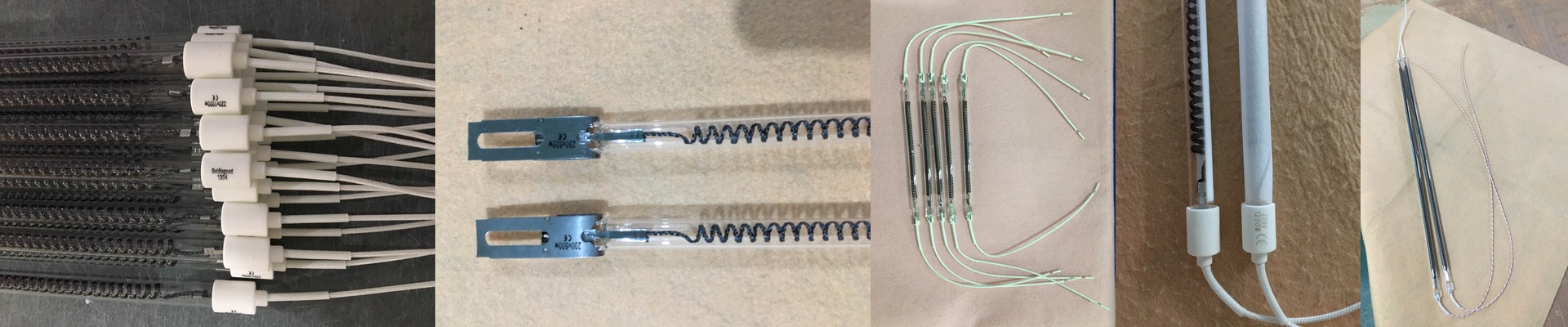
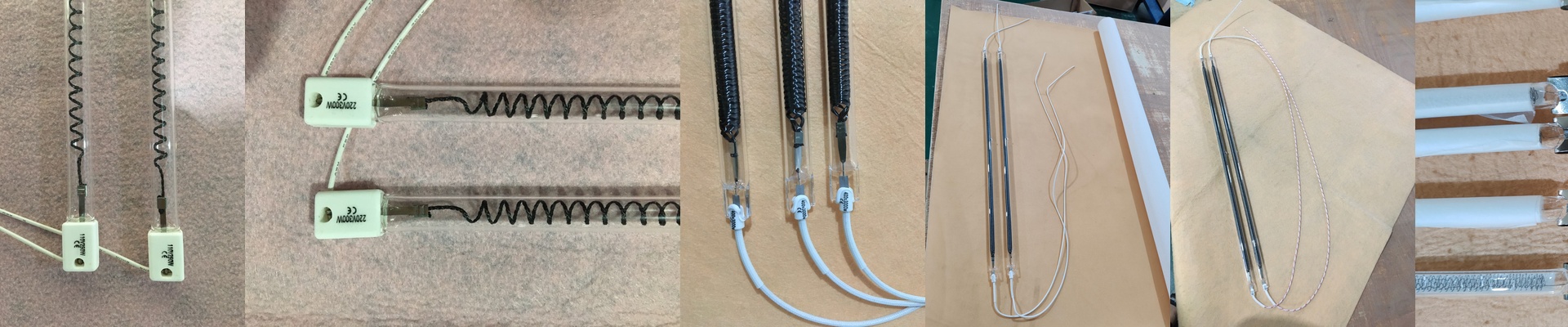
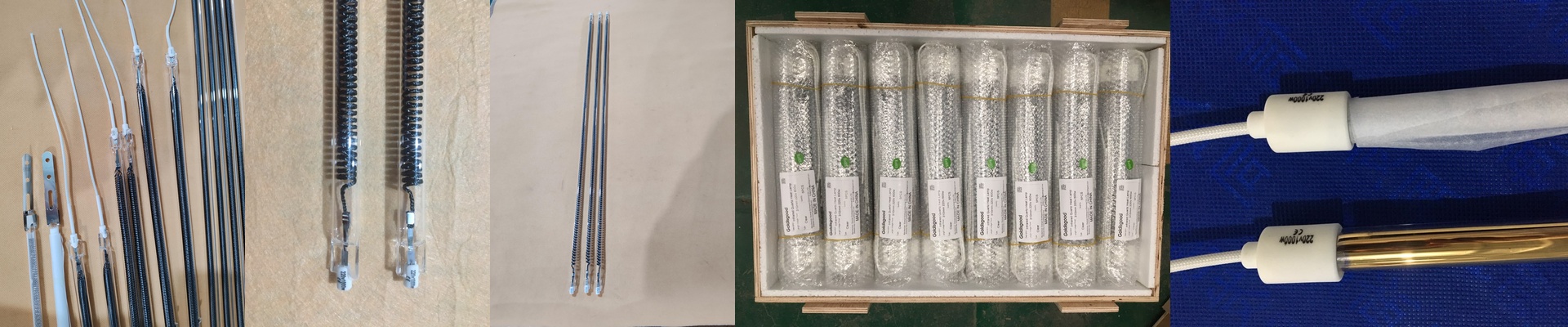
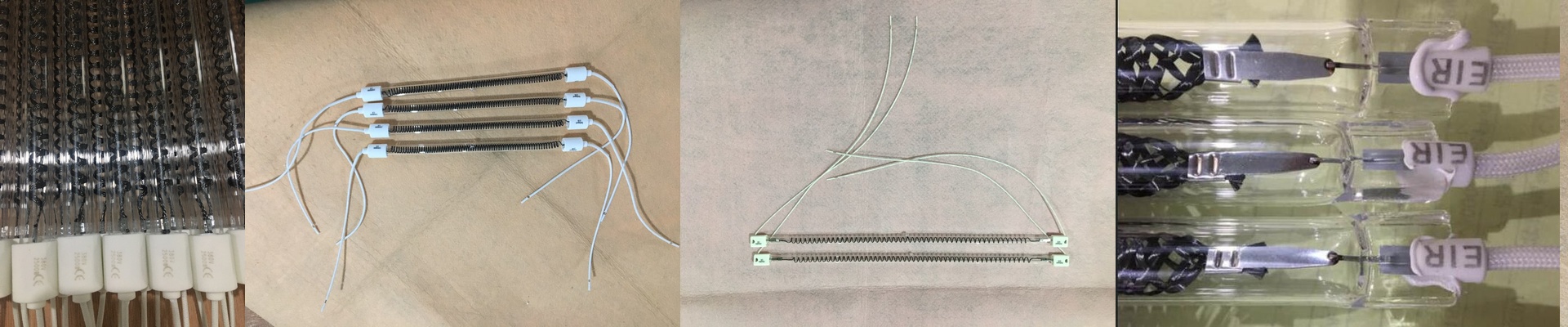
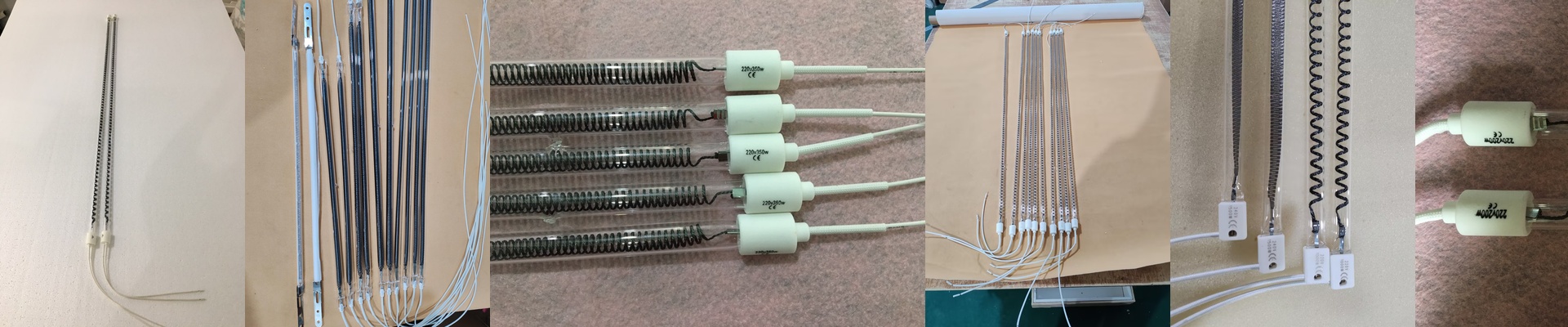
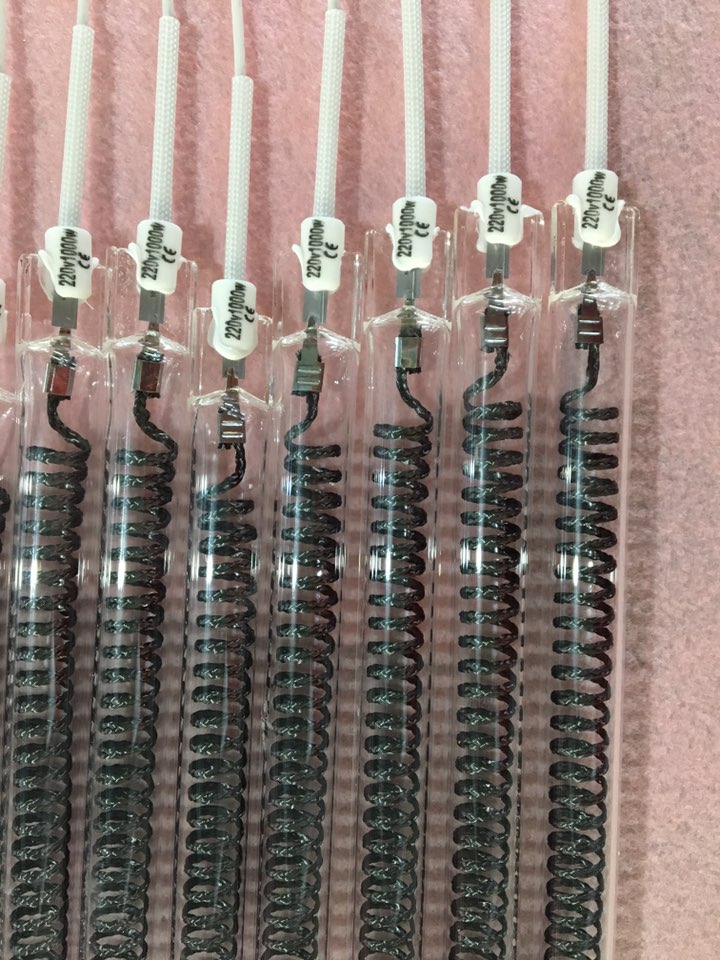
Inside, you’ve got a carbon fiber element nestled inside a halogen-filled quartz envelope. It’s a tough setup that keeps the output steady, day after day. The carbon fiber itself heats up almost instantly and can handle the shock of being turned on and off without cracking. On the back, a reflective coating throws more infrared energy forward, so you get more usable power right where you want it. And when it comes to hooking it up, the R7s connector is a simple two-terminal solution that fits standard receptacles. Swapping a panel during maintenance? It’s a quick, no-fuss job.
Real-World Use
These panels shine in industrial heating tasks, like PET blowing, where you need fast, localized heat. The focused warmth cuts down on warm-up time and helps keep material flowing smoothly. Plus, the compact size means you can slip them right into your existing line without a major overhaul. But here’s the thing to keep in mind: packing 2500W into a 300mm space creates a lot of heat density. That means you’ve got to plan for it. Make sure your machine’s cooling and clearance are set up right. Think about airflow and heat shielding from the start. We design the panel to be a drop-in replacement, but you still need to consider the heat load on nearby parts. Plan ahead, and it’ll work like a charm.