Keeping the Power Steady When Curing Brake Pads
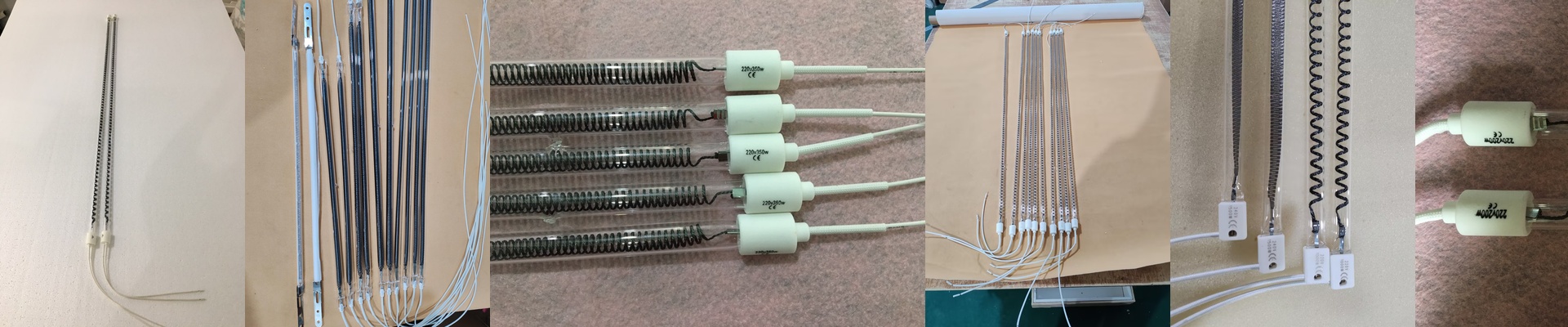
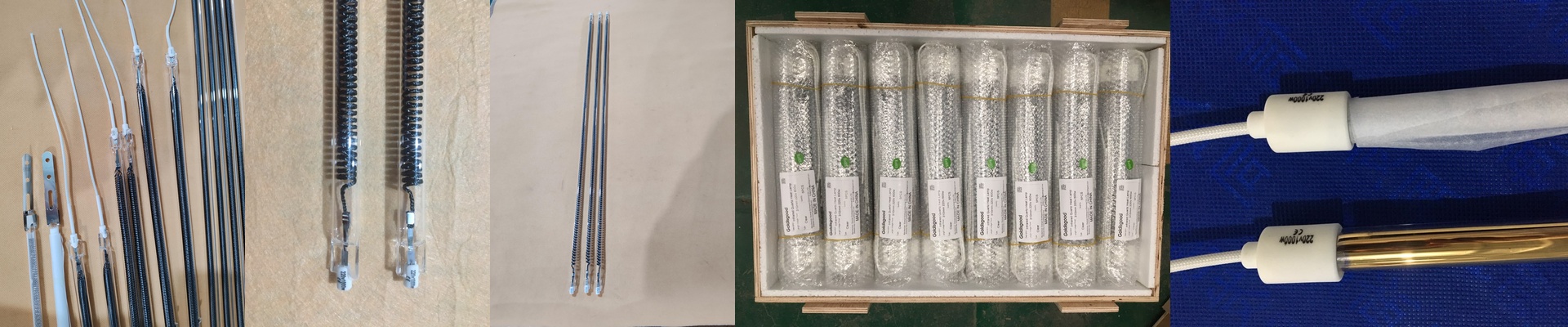
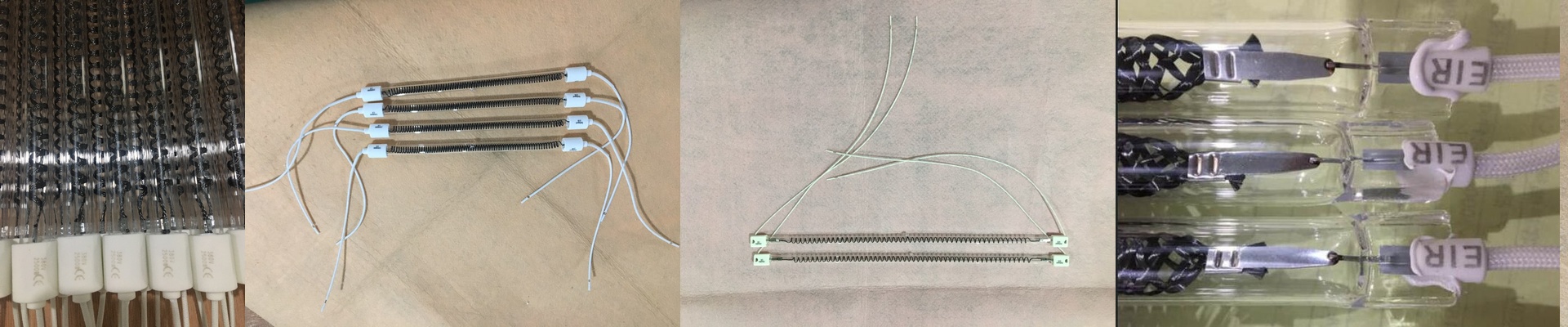
If you’re running a brake pad line 24/7, you know the nightmare of “drift.” You can’t afford it. When you’re curing friction materials, even a tiny dip in power means you end up with uneven hardness or, worse, bonds that just fail. That’s why we don’t do “off-the-shelf.” We build customized IR modules specifically to kill those power fluctuations and stop the burnout that usually plagues standard heaters.
Dealing with Power Drift
Here’s the thing about standard heating elements: they tend to wander. As they get older, or as your factory floor heats up during a shift, the power fluctuates. To get that rock-solid stability, we obsess over the thermal mass and the electrical load. We use high-grade alloys and very specific winding densities. The result? Your wattage stays exactly where it needs to be. Whether the line has been humming for ten minutes or ten straight days, it doesn’t matter. It just works.
Built for the Grime
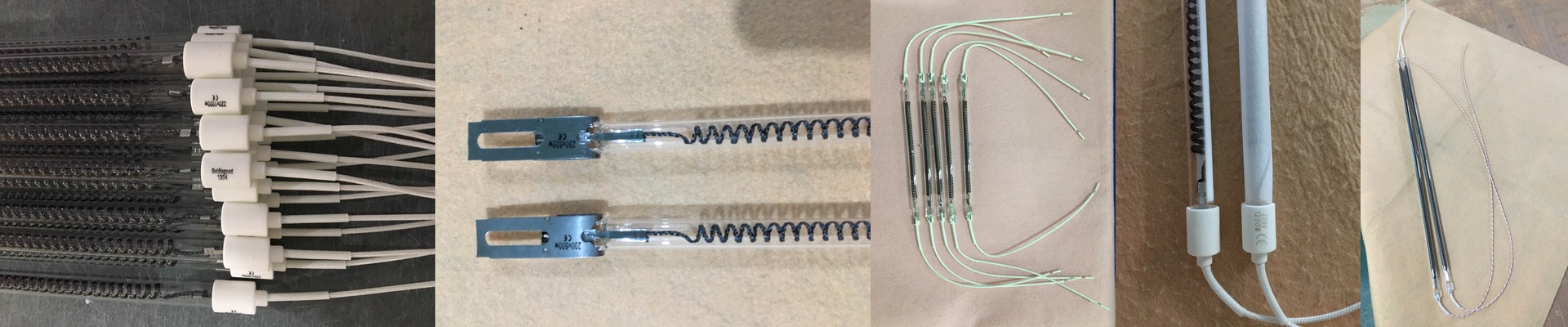
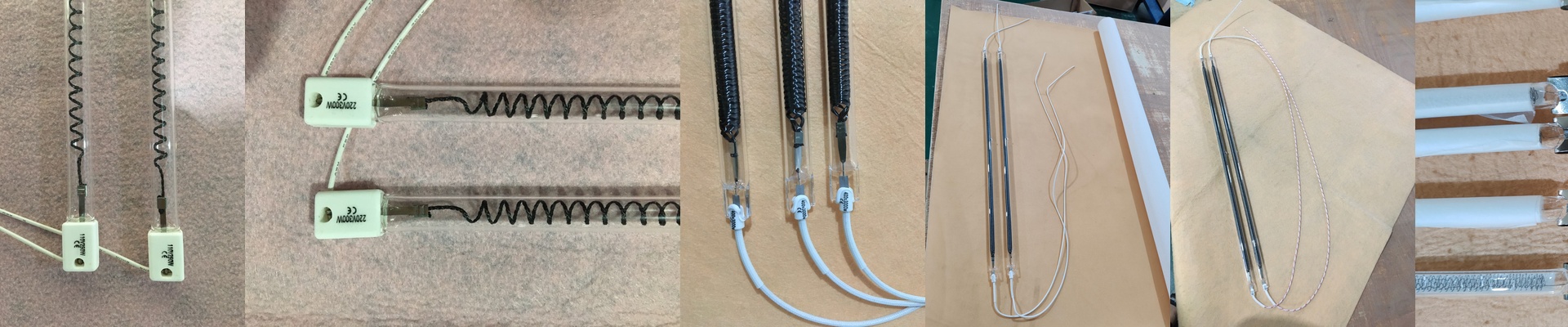
Brake pad plants are brutal. They’re dusty, they’re abrasive, and they’re loud. We build our modules to take a beating. We use reinforced quartz envelopes and specialized seals to keep the gunk out. Because if a seal fails, the filament oxidizes and the lamp pops. Period. And we don’t mess around with the connectors. We use heavy-duty, industrial-grade locking interfaces. Why? Because loose connections create heat spots, and heat spots kill modules. Plus, these locks stay tight even when the whole machine is vibrating.
The Catch: Heat vs. Cooling
There is a trade-off, though. These modules dump a massive amount of energy into the workpiece. That’s great for curing, but it means your housing needs some breathing room. If you skimp on the airflow or the water-cooling jackets, that heat starts soaking back into the wiring. It eats away at the insulation and kills the unit early. But if you wire it up right? It runs forever.