Getting Your IR Heat Right for Brake Pad Curing
If you’re making brake pads, you know the struggle. Getting that friction material to actually bond to the backing plate isn’t just about “adding heat.” It’s a delicate balance. We use custom infrared (IR) heating walls to get it done, but the real trick isn’t the heat itself—it’s where you put the lamps. Since every brake pad model has a different height and thickness, you can’t just throw a standard grid at the wall and hope for the best.
The Art of the Layout
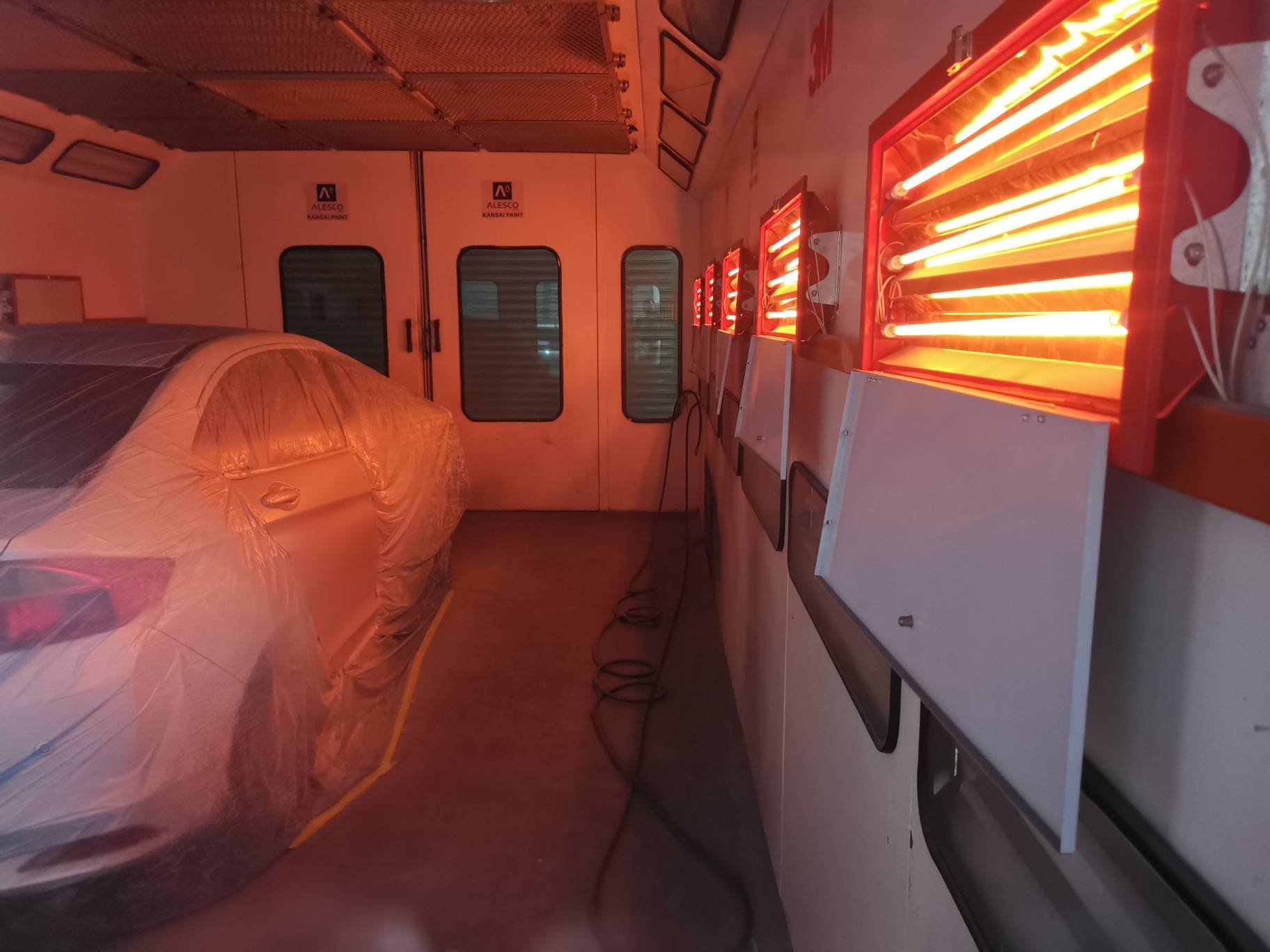
Here’s the thing: if your lamps are too far apart, you end up with cold spots. Your curing is uneven, and your quality drops. But if you crowd them too close? You’ll scorch the resin. Not a good look. We’ve found that staggering the lamps works best. By overlapping the heat, you get a smooth, consistent flow across the whole vertical surface. You also have to think about the angle—the “view factor,” if you want to get technical. If the radiation hits the part at the wrong angle, you’re just asking for trouble.
Building the Wall
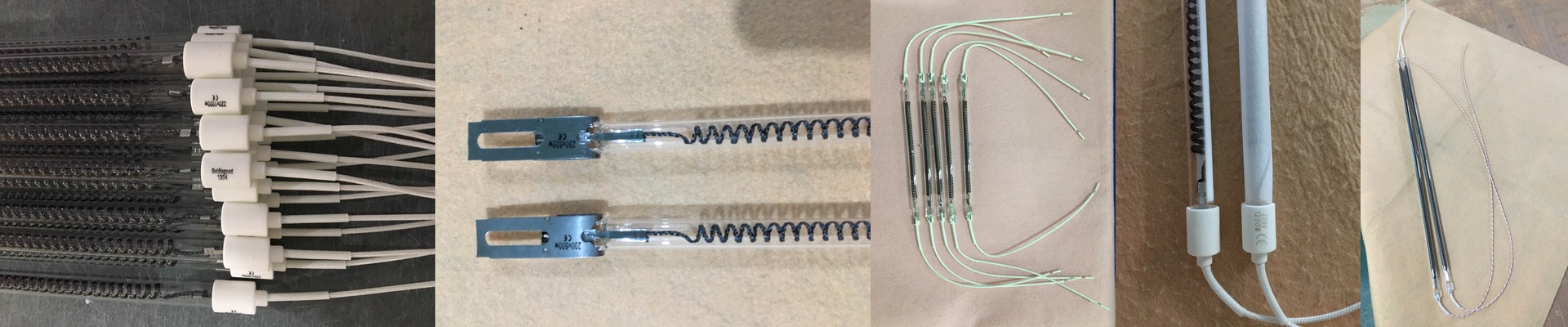
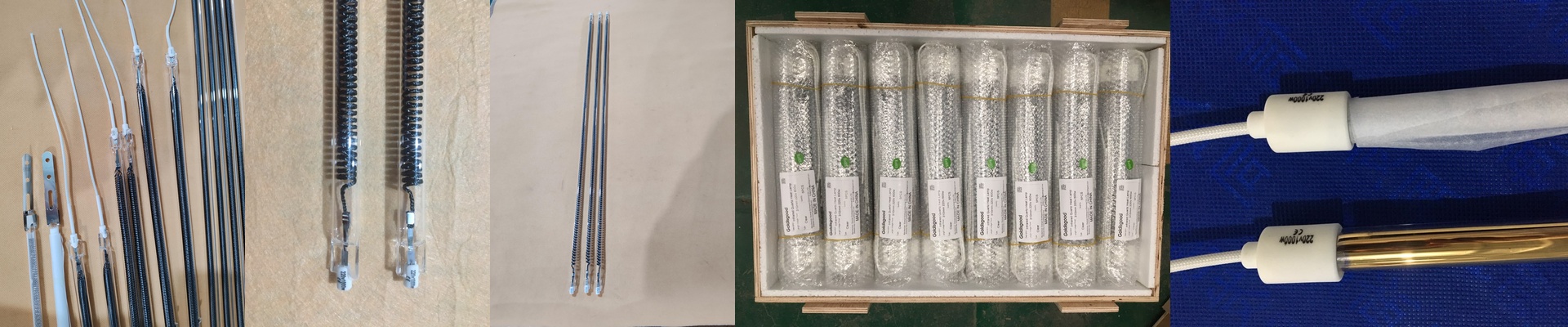
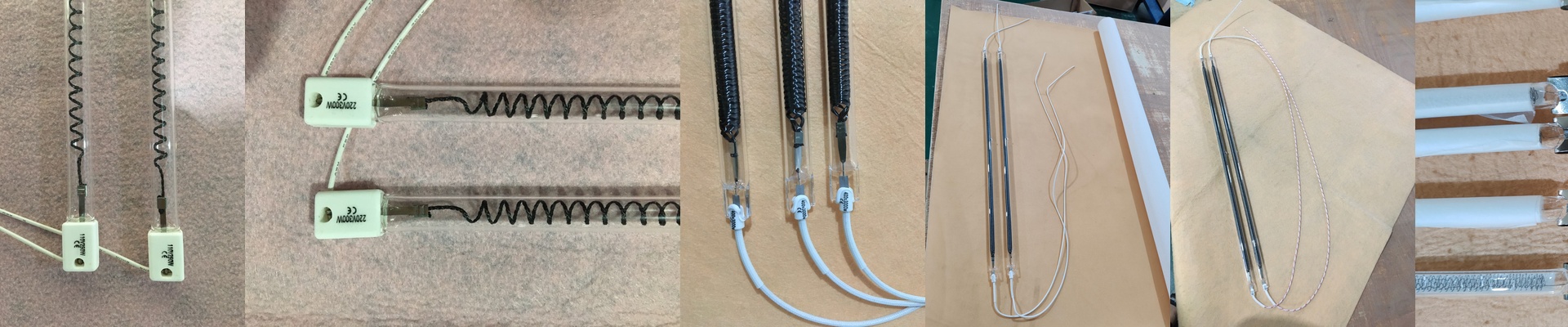
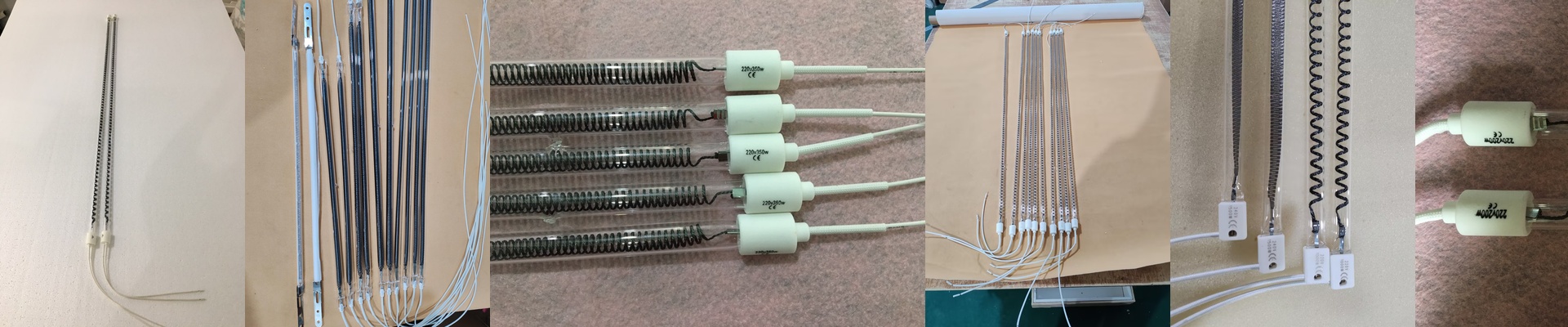
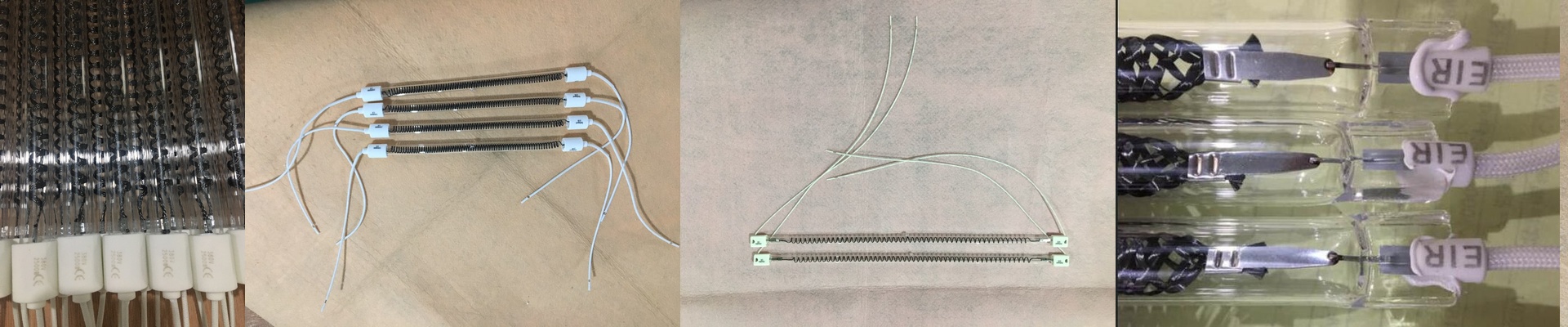
We stick with quartz IR tubes. They heat up fast, which is exactly what you need when you’re trying to keep a high-speed line moving. To make sure that heat actually hits the pads instead of just soaking into the wall, we house the tubes in reflective aluminum. It pushes everything forward. Now, let’s talk power. These arrays pull a lot of current. Instead of one giant switch, we split the vertical zones into independent circuits. This is a lifesaver. It means you can tweak the top, middle, and bottom sections separately. Plus, if you’re running smaller pads, you can just kill the power to the outer zones. It’s a simple way to stop wasting electricity.
The Trade-off You Can’t Ignore
It’s tempting to just keep adding lamps to get more heat density. But there’s a catch. More lamps mean more ambient heat. If your ventilation can’t keep up and pull that hot air out of the chamber, the whole room starts to bake. If the air gets too hot, it can actually mess with the chemistry of the friction material. It’s a balancing act. You have to match your lamp density with your airflow (CFM). Get that right, and everything just works.