Why we use carbon fiber for format printing
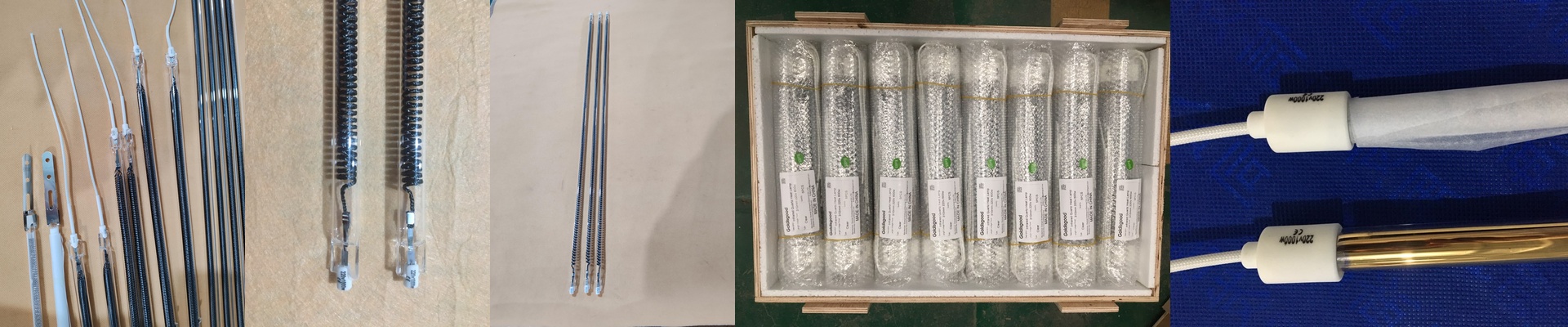
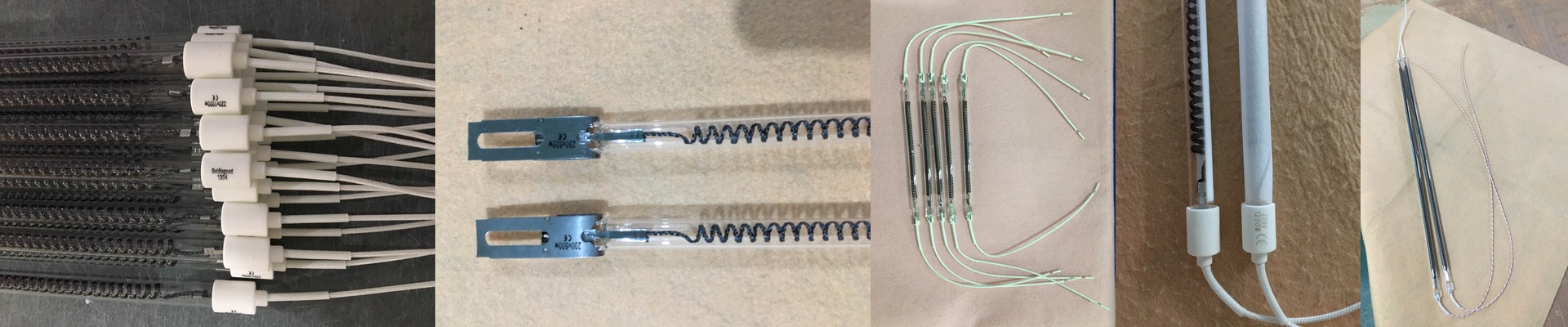
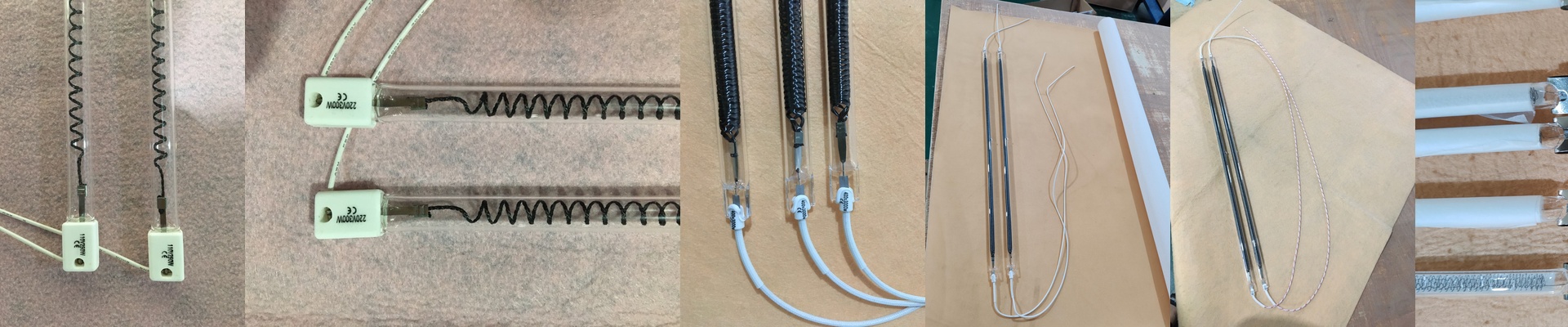
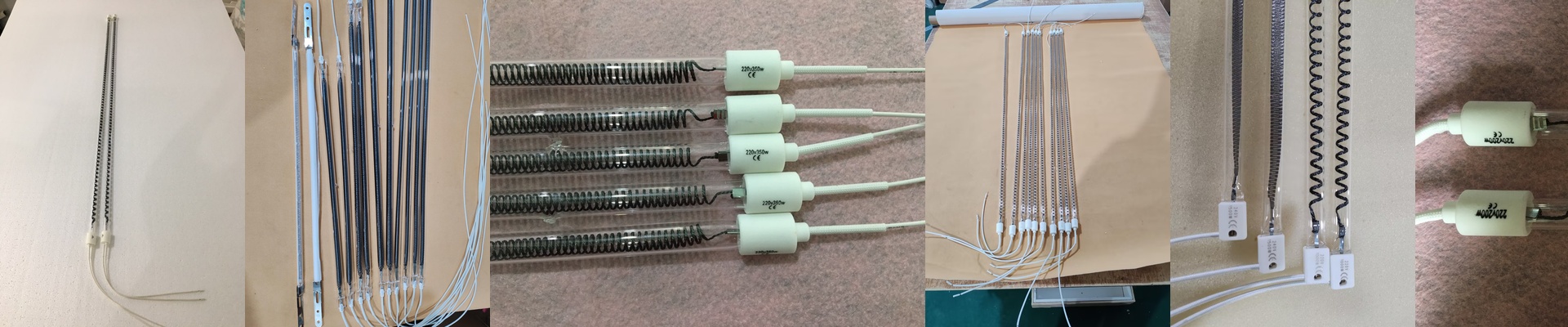
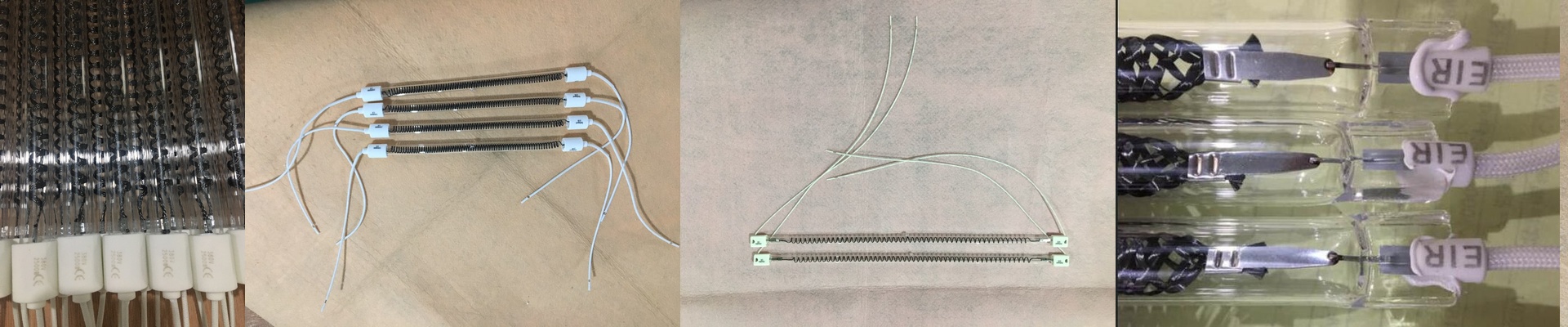
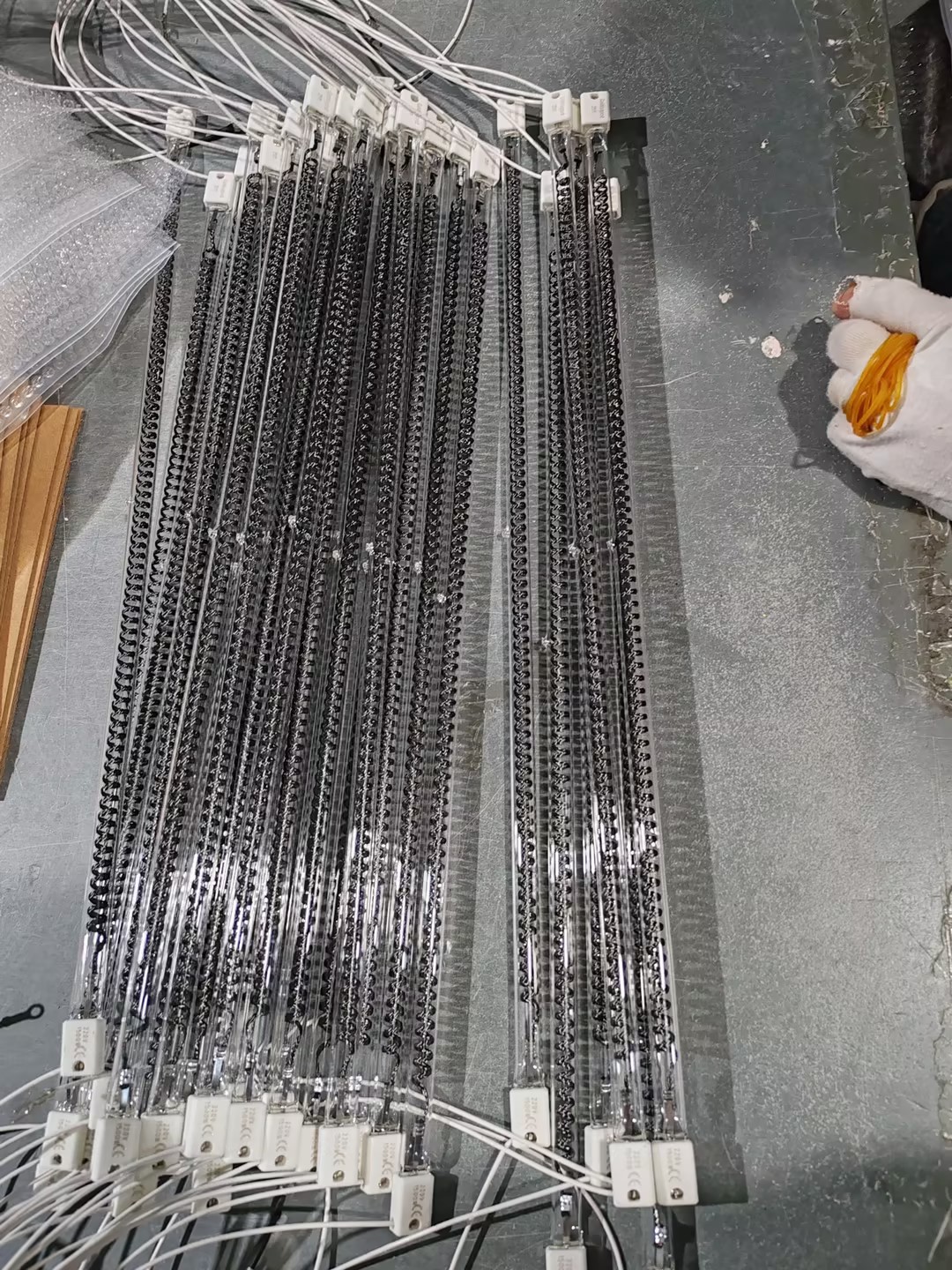
When you’re running a format printer, you need heat—and you need it now. You can’t have your materials warping or your inks smudging, but you also can’t wait around for a heater to warm up. That’s why we stick with carbon fiber infrared lamps. They hit their peak temperature way faster than those old-school metal-wire heaters. It’s a night-and-day difference in how quickly you can get moving. The nitty-gritty on power Here is how it works: we run a current through a conductive carbon weave, which kicks out short-wave infrared radiation. This heat doesn’t just sit on the surface; it actually sinks into the material. When you’re picking a lamp, keep an eye on the wattage relative to the length. That’s what controls your heat density. High-wattage tubes are great for instant heat, but just a heads-up: make sure your power supply can handle that initial surge. You don’t want to be the person tripping the circuit breakers in the middle of a big job. Built to take a beating We wrap that carbon filament in high-purity quartz. Why? Because these lamps are constantly clicking on and off as the print head passes by. That kind of thermal shock would crack lesser materials, but quartz handles it without breaking a sweat. Most of our units use standard connectors, so swapping out a worn-out tube is a breeze. But if you’re wiring these into a high-speed line,double-check your connections. If the lamp base is loose, it’ll arc, and you’ll end up with a burnt-out socket. Not a fun way to spend a Tuesday. A few things to watch out for The speed is amazing. It means your drying tunnel can be much smaller, which saves a ton of floor space. But there’s a catch. Because the heat is so intense, you can run into “skinning.” This is where the top of the ink dries instantly, but the bottom stays wet. It’s frustrating. To fix this, you’ve got to find the sweet spot between the lamp height and your conveyor speed. If your machine doesn’t let you tweak the distance precisely, you might notice the curing looks a bit patchy across the print. Just keep an eye on it and adjust as you go.