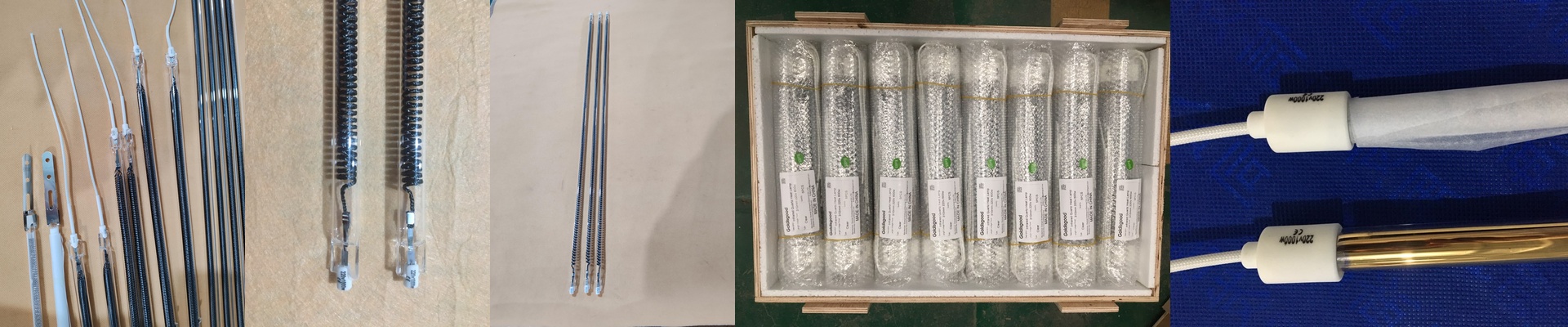
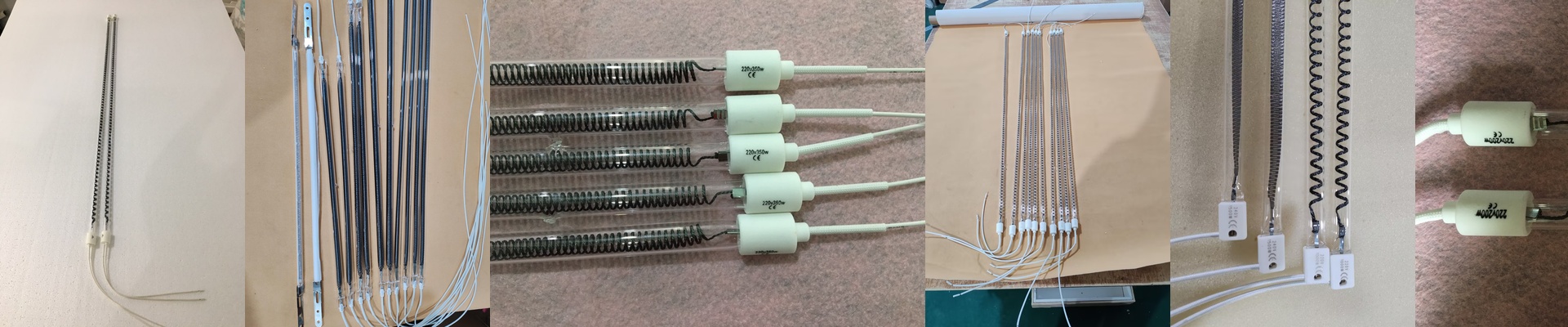
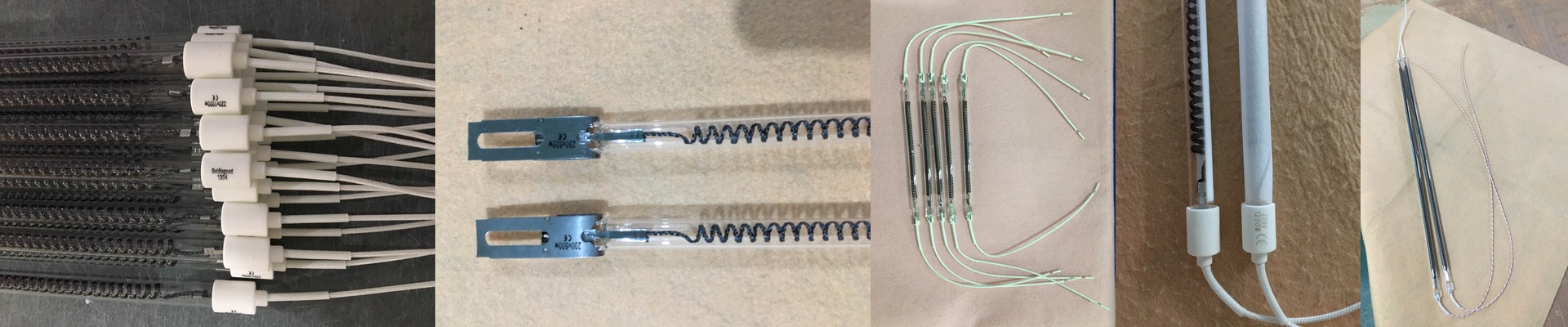
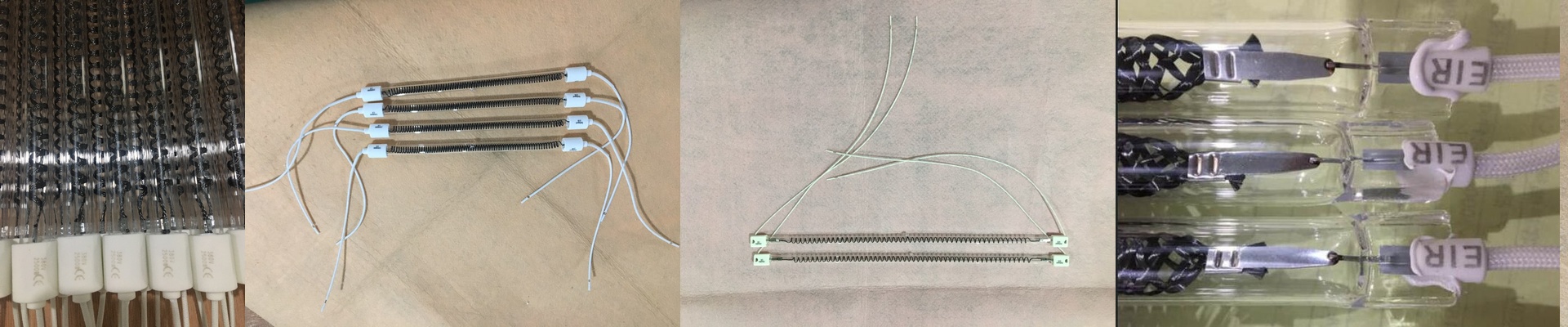
Getting to Know the Power Behind the Tube
Here’s the thing—we built these carbon fiber lamp tubes for one reason: to deliver heat where standard heaters just can’t reach. We’re talking serious power packed into a small space. The standard setup runs at 400V and 2500W, all squeezed into a 300mm tube. That’s a lot of energy in a tight footprint. And because it’s designed for industrial power, it draws less current and cuts down on energy loss. You get maximum heat without needing a giant machine to house it. But, with that kind of power comes responsibility. That 2500W output generates serious, focused heat. You’ve got to make sure the surrounding equipment and the mounting hardware can handle the heat. Proper shielding and airflow aren’t optional—they’re essential. Otherwise, you risk cooking both the lamp and the machine it’s in.
The Heart of the Design
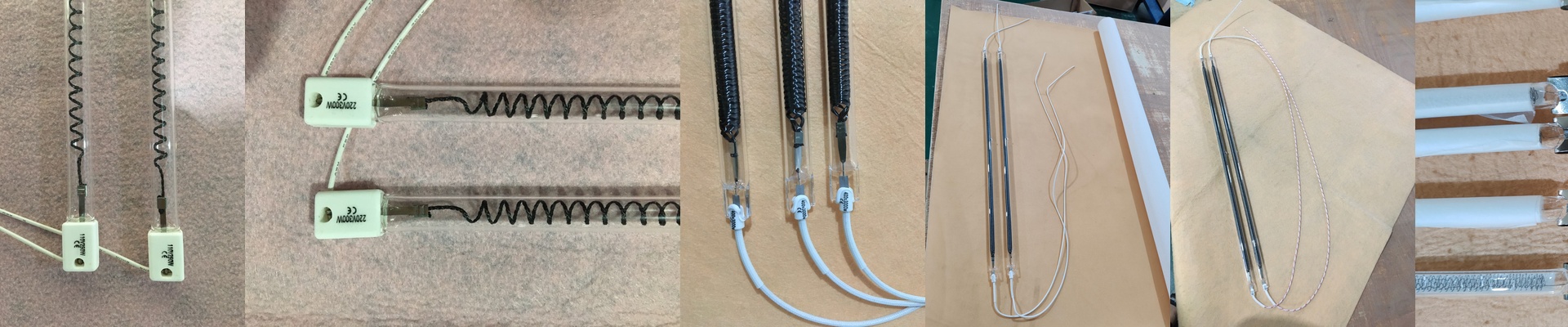
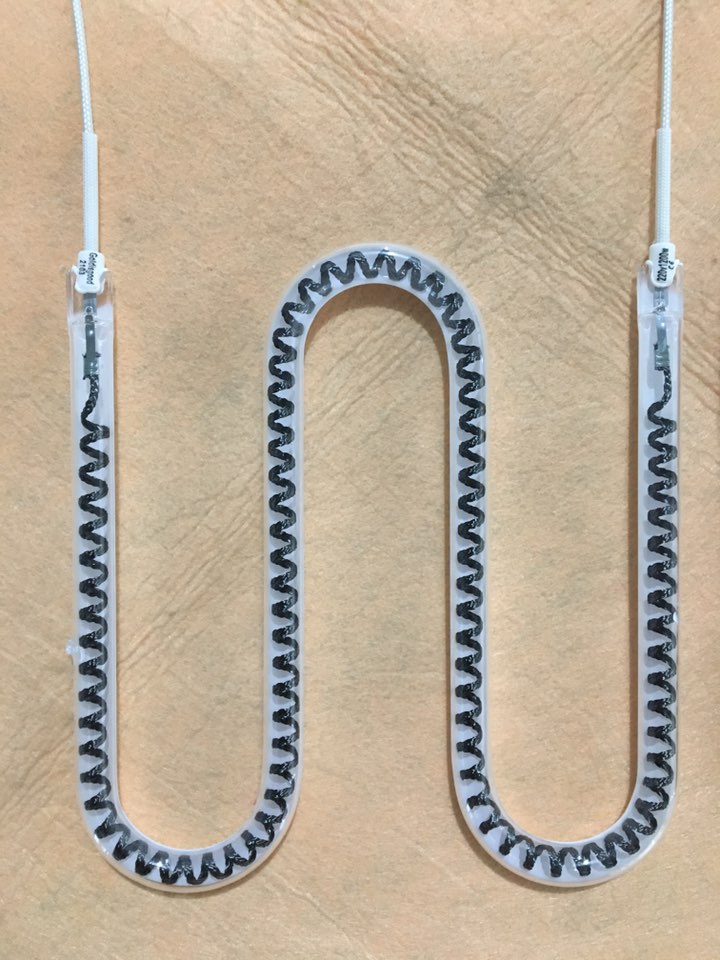
Inside each tube, you’ll find a carbon fiber heating element nestled in a halogen-filled quartz glass envelope. The halogen does a neat trick—it keeps the element clean, so the lamp doesn’t dim over time. This design means the lamp hits high temperatures almost instantly and holds them steady, no fluctuations. Installation is a breeze, thanks to the R7s connector. It’s the standard for linear lamps, so you just slide the tube in and lock it down. The connection handles the high current safely and stays solid. And the quartz glass? It’s tough. It resists thermal shock, so you can power on and off without worrying about cracks.
Where It Shines in the Real World
These lamps were born for industrial jobs that need fast, precise heating. They’re the go-to for PET bottle blowing, where you need to heat the preform quickly and evenly—without scorching the plastic. The focused infrared energy gets right into the material, which cuts down on cycle times and waste. But that’s not all. They’re just as at home in glass processing, shrink-wrapping, and curing composites. The carbon fiber element heats up in seconds, so you get instant response when you need to adjust on the fly. It’s a simple drop-in solution for any machine that uses the R7s footprint. These tubes are built to survive 24/7 production. But they do need a clean mounting surface and the right voltage. Give them the rated 400V, and you’ll get the full 2500W output. Cheat them on voltage, and performance drops off fast.