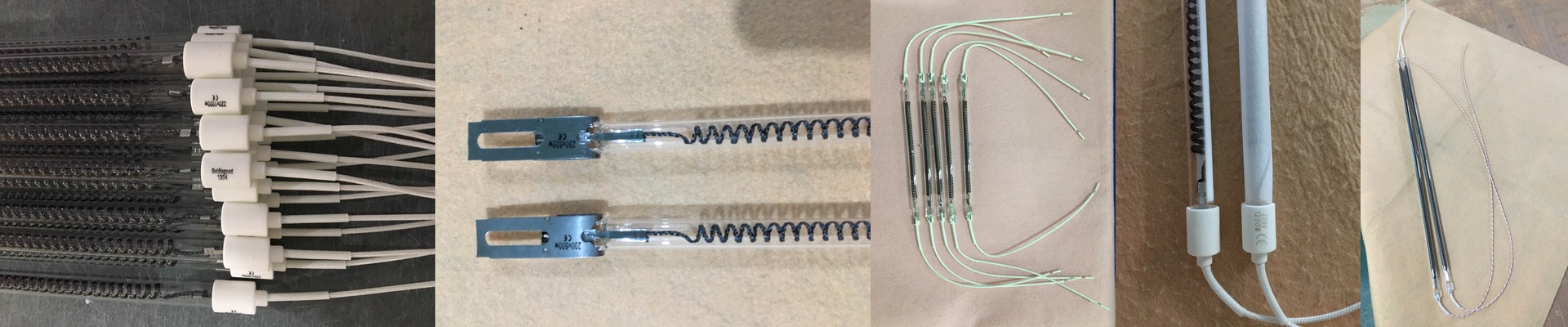
Let’s Talk Carbon Fiber Heating Lamps
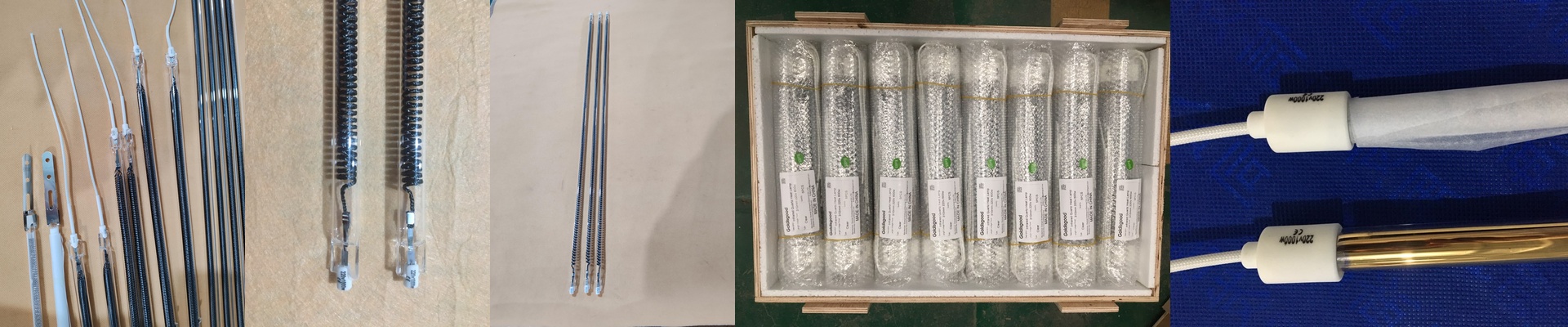
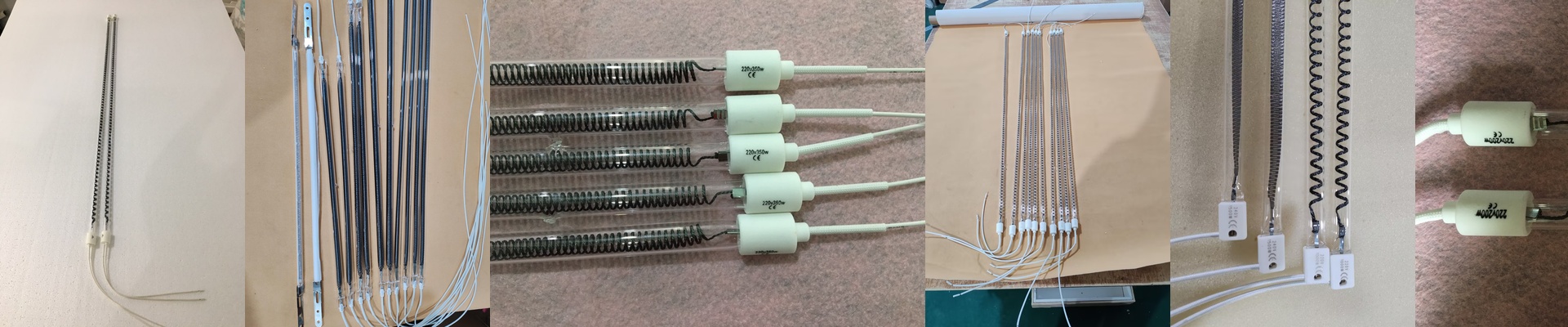
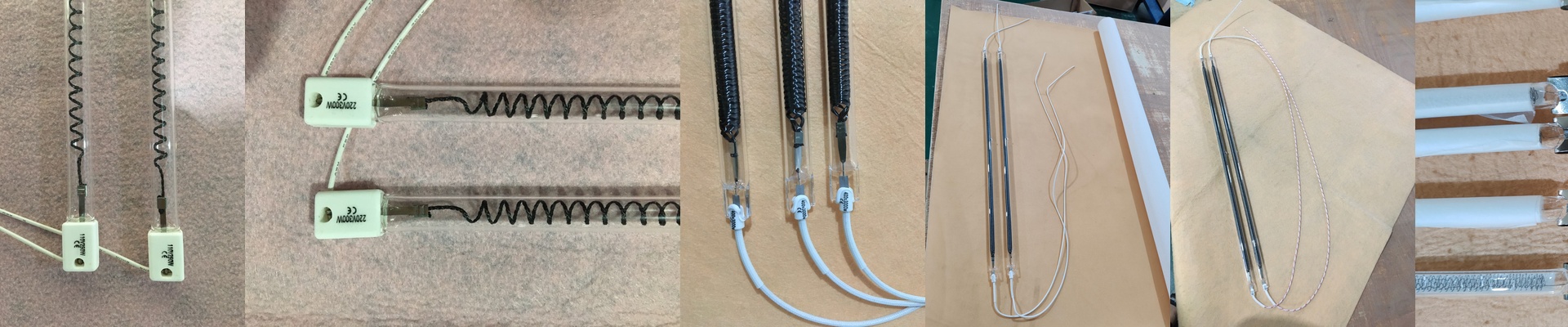
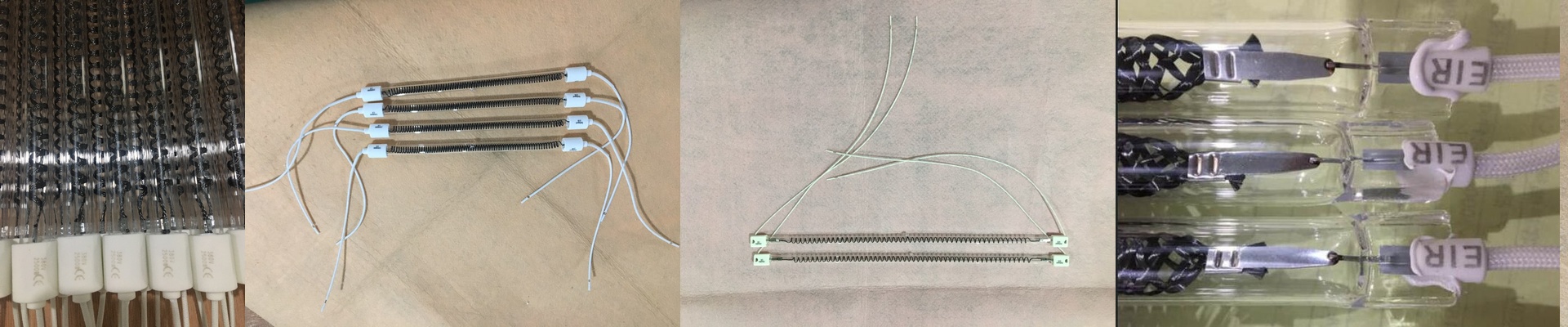
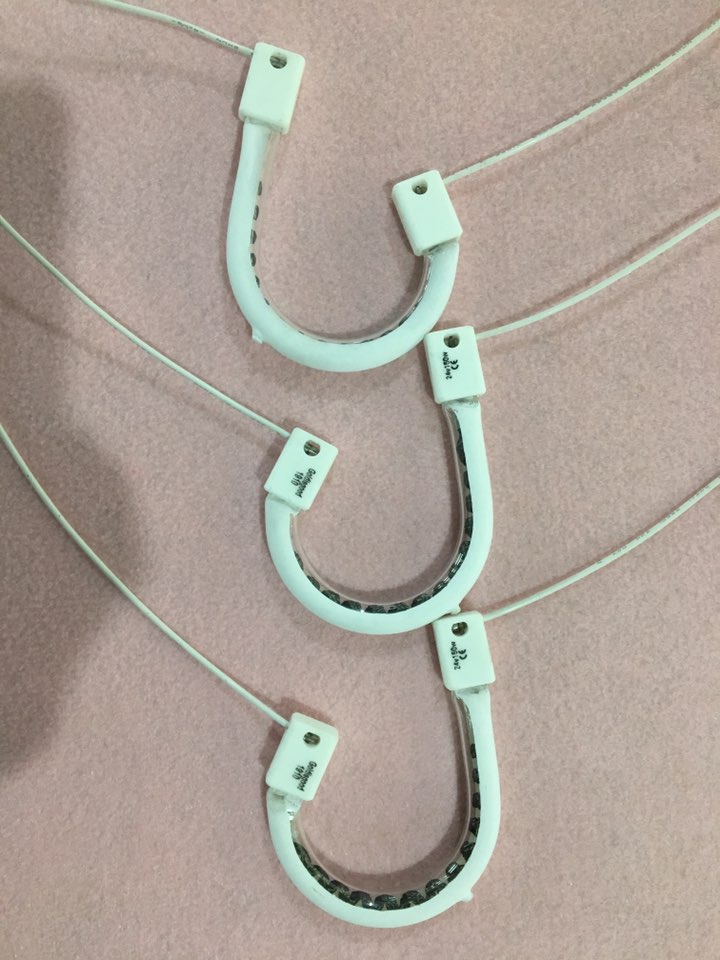
Here is the deal with carbon fiber lamps: they work by running a current through a carbon filament tucked inside a quartz tube. If you’ve used old-school tungsten coils, you know they can be spotty. Carbon fiber is different. It spreads the heat evenly across the whole tube. We build these for the tough stuff—jobs where you need a massive hit of heat, and you need it now. Power, Voltage, and the “Heat Hit” The wattage and voltage are basically what decide how hard the lamp hits. If you go with a high-voltage tube, you’re packing more energy into every single millimeter. This is a lifesaver for things like PET blowing or shrink wrapping. In those jobs, your material has to hit its softening point in a matter of seconds or the whole thing is ruined. Just a heads-up: make sure your power supply can handle that first big surge of current. If your voltage starts jumping around, you’ll probably fry the filament way sooner than you should. The Build: Quartz and Connectors We wrap the carbon core in high-purity quartz. Why? Because it lets that shortwave infrared radiation fly right through without soaking up the heat itself. Depending on how much room you have in your machine, we use R7s or Sk15 connectors. They’re standard, so they just slide right in. But be careful—**make sure the connection is tight.**A loose fit creates a hot spot, and before you know it, you’ve melted your socket. For the messy environments, we can even add a coating to protect the tube from chemical splashes on the shop floor. Putting It All Together These lamps put out a serious amount of heat. Like, a lot. Because of that, you can’t just plug them in and walk away. You need to double-check your cooling fans and vents so your housing doesn’t turn into an oven. I always suggest using PID controllers. It gives you way more control. Without a proper feedback loop, the filament can overshoot your target temperature, which just eats away at the lamp’s lifespan. Oh, and use high-temperature leads for the wiring. You don’t want your insulation melting off while the machine is running.