Introduction
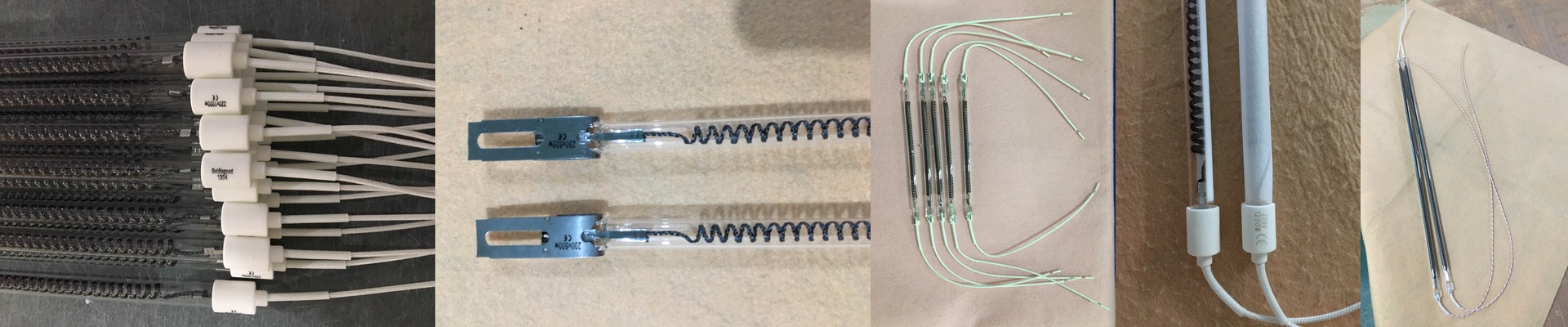
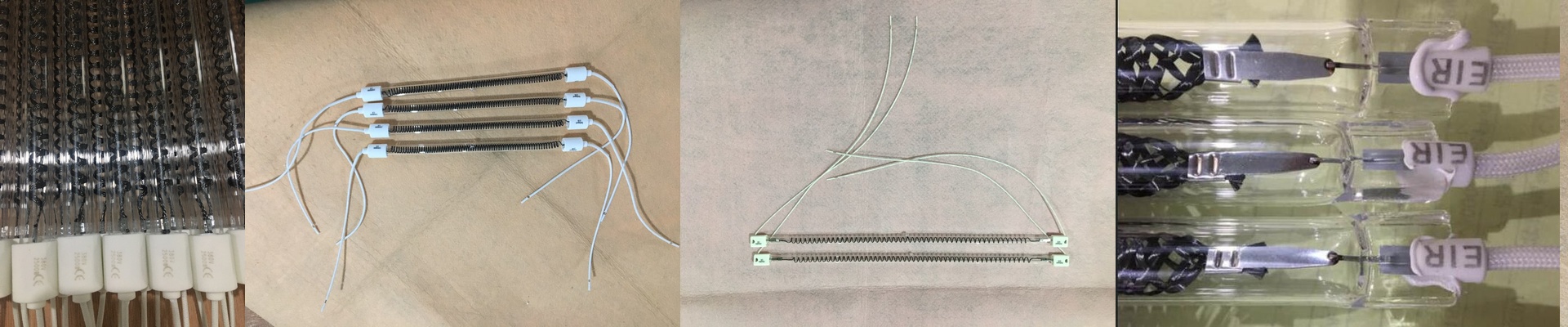
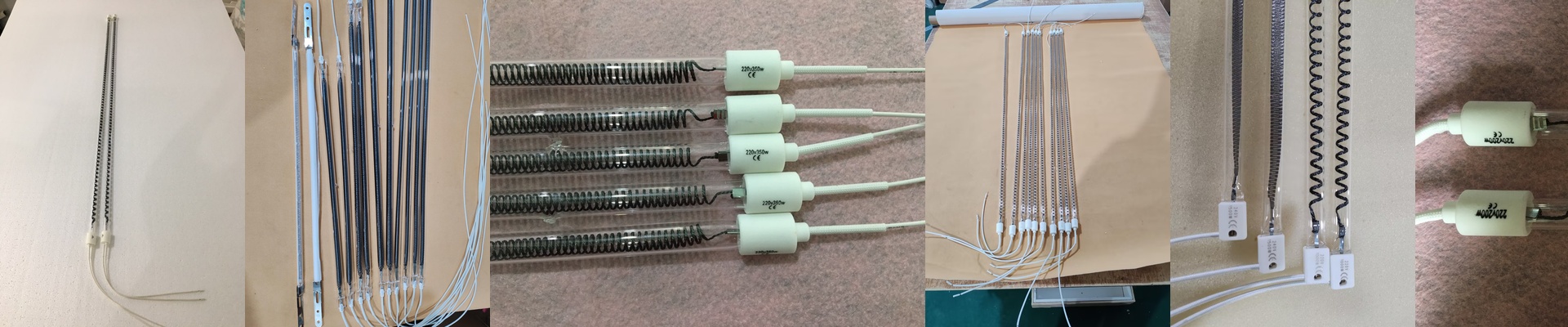
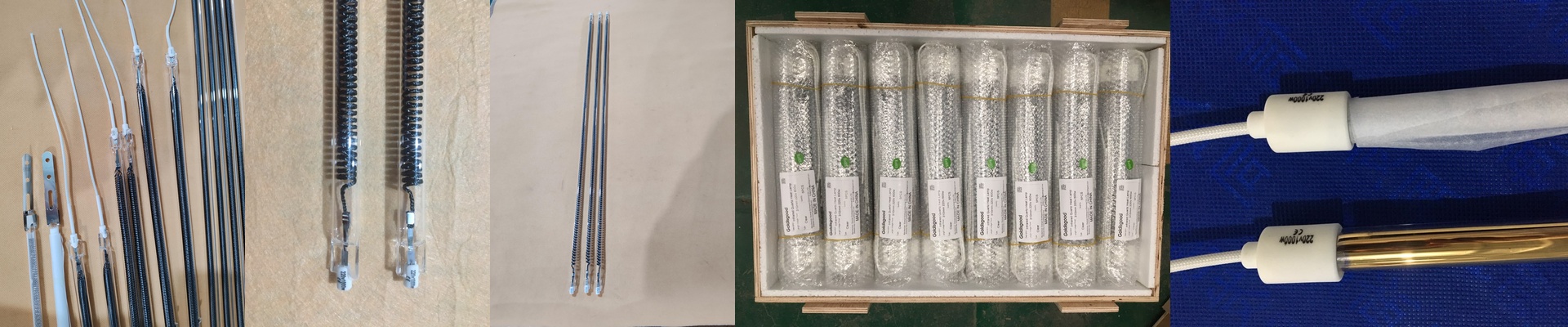
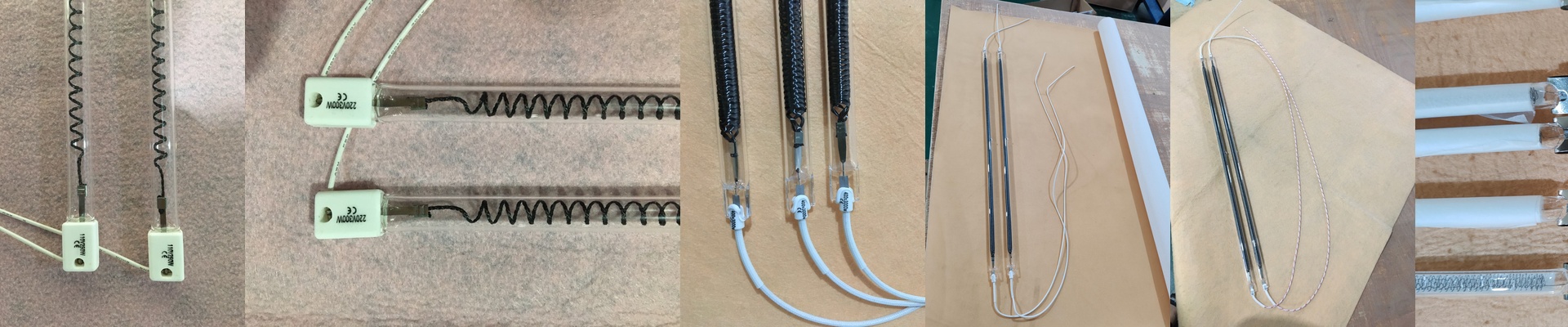
We built this 590mm, 1300W carbon fiber heating tube to slide right into industrial heating systems that need serious, steady heat—without the fuss. It’s the kind of upgrade you install when your machine demands fast, reliable warmth in a tight space. Think plastic processing, packaging lines, curing setups. It puts out consistent power, and it sidesteps the brittle, frustrating weakness of old nichrome elements.
Power, length, and what it means for your machine
At 1300W, this tube isn’t about brute force. It’s about predictable heat, exactly when you need it. The 590mm active length gives you a clean thermal zone that lines up with many standard machine bays, so you can swap it in without re-engineering the whole chamber. And it’s quick. The carbon fiber element has low thermal mass, so it ramps up fast. Here’s the trade-off, though: that higher power density means your cooling and thermal management have to be on the same page. If you push the voltage toward the top end, the enclosure heats up fast. Plan accordingly.
Why carbon fiber inside a quartz tube works
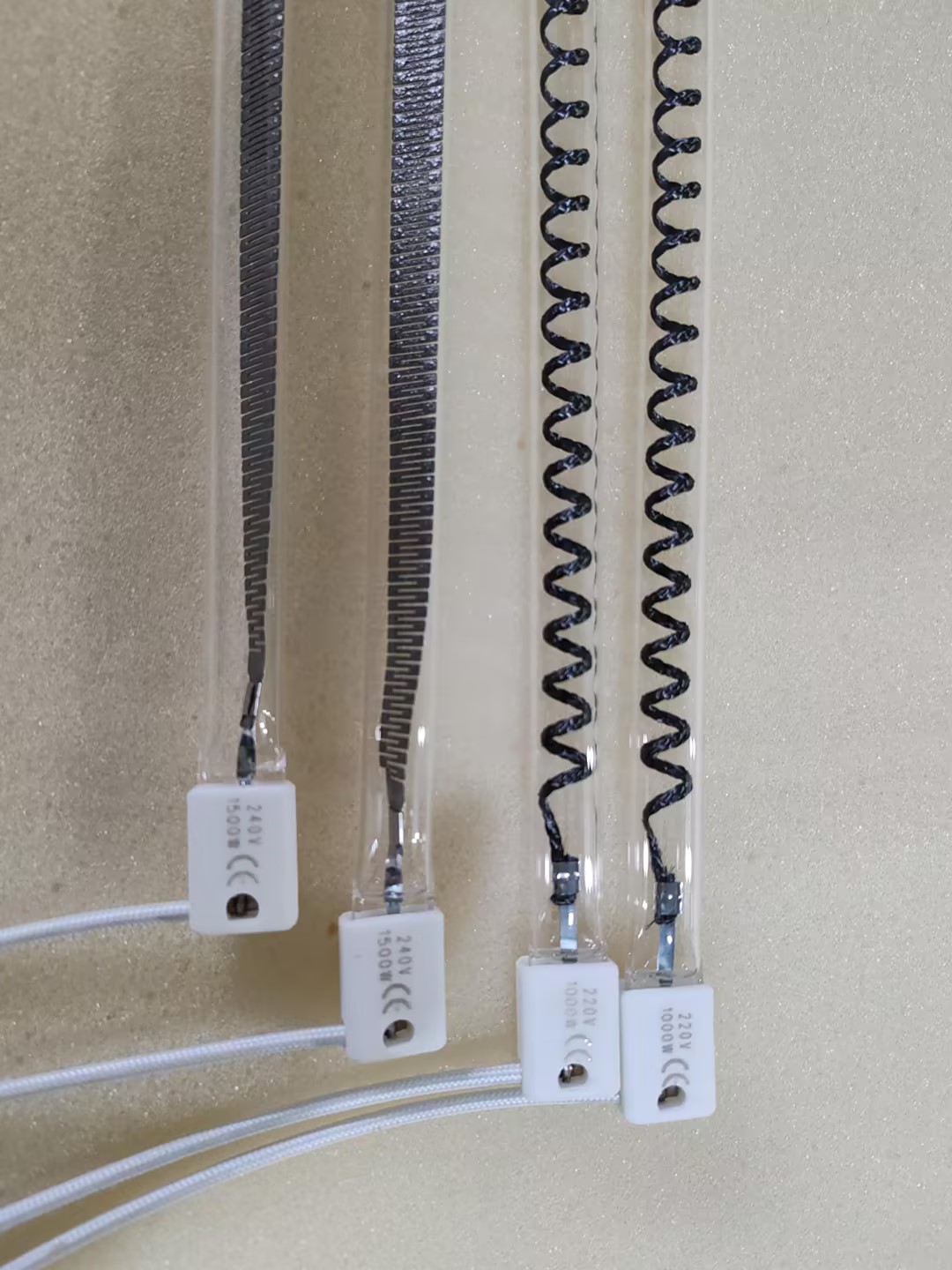
Inside, you’ve got a carbon fiber element nestled in a quartz envelope. Quartz handles high temperatures without getting moody, and it stays chemically stable. It also sends infrared energy straight to the work, so less heat is wasted to the air. The carbon fiber layout keeps resistance even along the whole length. That means fewer hot spots—and hot spots are exactly what kills service life. This build also shrugs off shocks and vibration better than brittle ceramic heaters. And the wiring? The connector interface is designed for a solid, low-resistance connection. That matters when the unit cycles on and off, again and again.
Where it shines—and what to expect
In the real world, this 590mm, 1300W tube is a natural fit for jobs that need rapid heat-up and repeatable temperature control. Film shrink tunnels. Laminating rolls. Plastic preheat stations. The footprint is compact, so you can pack more power into the same machine frame. Installation is straightforward: match the mounting, wire it up, and tune the control loop. You’ll get stable output over time, but keep some breathing room for thermal expansion and make sure airflow is dialed in. Treat it like the reliable drop-in workhorse it is—not a magic fix for undersized cooling or electrical design.