Stop Fighting Your Plastic: Fixing Warp in Auto Interiors
Ever pull a part out of the mold and watch it practically jump out of shape? That’s springback. It’s a nightmare. The problem is usually simple: internal stress. When you heat a part uniformly, you’re playing a losing game. The thin walls get scorched while the thick ribs stay cold. That temperature gap is exactly what makes the part warp the second it hits the air.
How Zonal IR Actually Works
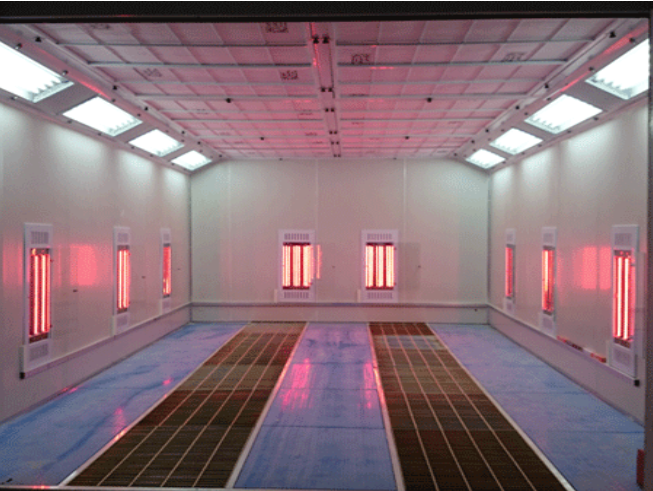
We stopped trying to heat everything with one big blast. Instead, we use infrared (IR) zonal control. Think of it like splitting your heater into a grid of independent zones, each with its own PID controller. Now, you can push more heat into those stubborn, heavy-duty areas and dial it way back for the thin spots. You’re basically massaging the heat into the polymer until it hits that sweet spot—the glass transition temperature—everywhere at once. No more localized tension. No more “snap back.”
The Real-World Setup
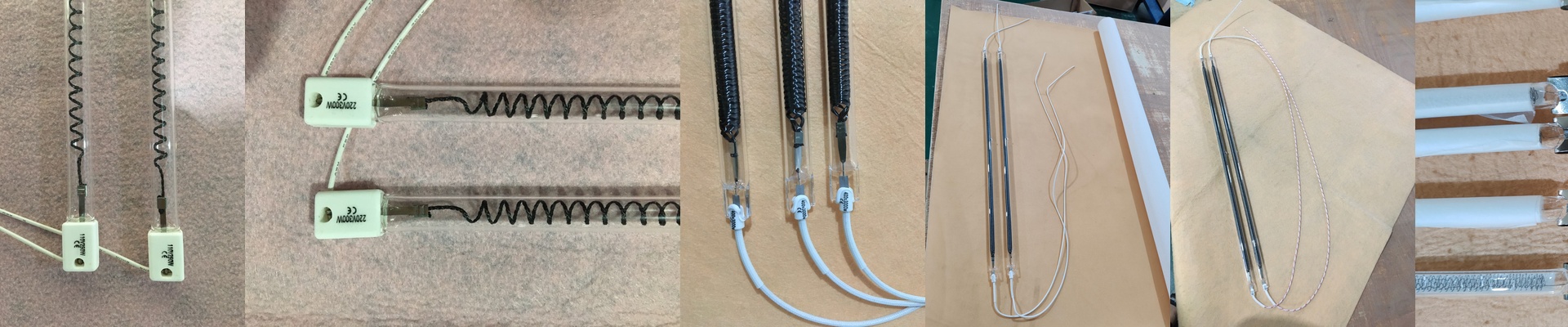
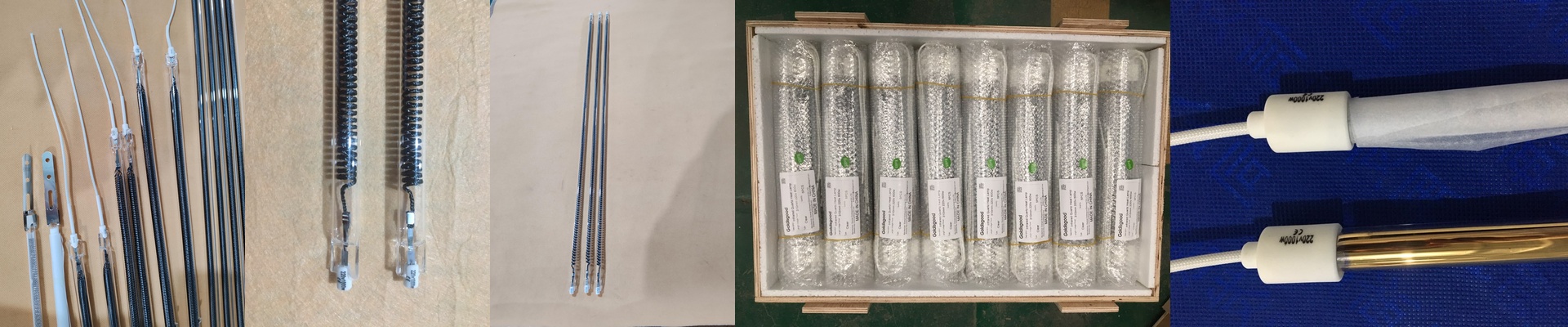
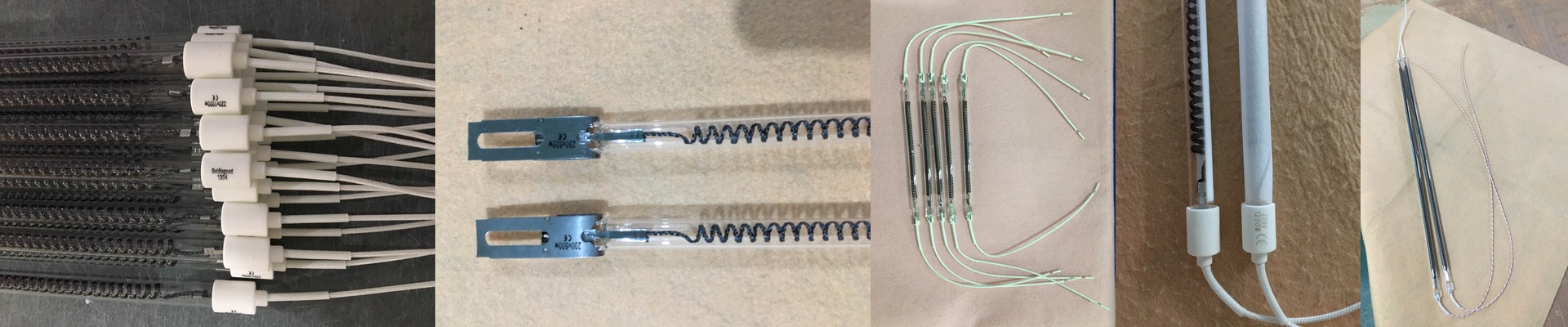
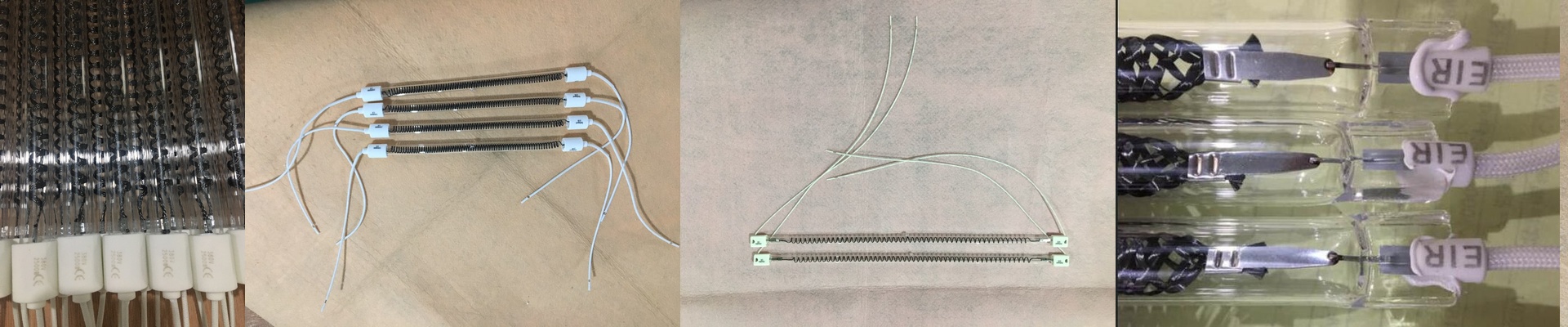
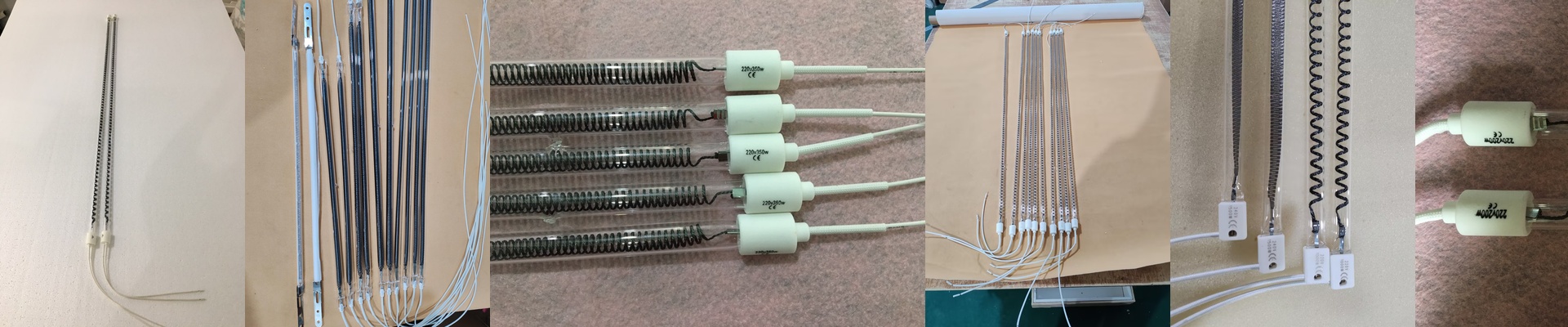
To make this work, you want shortwave IR emitters. They punch through the material fast, which keeps your cycle times low. We usually set these up in modular banks. Why? Because lamps burn out. It’s much easier to swap one bulb than to tear down your entire line for an hour. But you have to be careful. If you just crank the wattage to fix a cold spot, you’ll scorch the plastic. You’ll end up with “hot spots” that make the part brittle and weak. Plus, these high-density banks put off a lot of heat, so make sure your cooling system can actually handle the load.
What Happens on the Floor
Once you get this dialed in, the guessing game just… stops. You aren’t fighting the material anymore; you’re actually in control of it. The parts stay true to their dimensions, which means way less scrap in the bin. Best of all? You can stop spending hours on manual trimming or trying to “fix” parts after they’re already done. It just works.