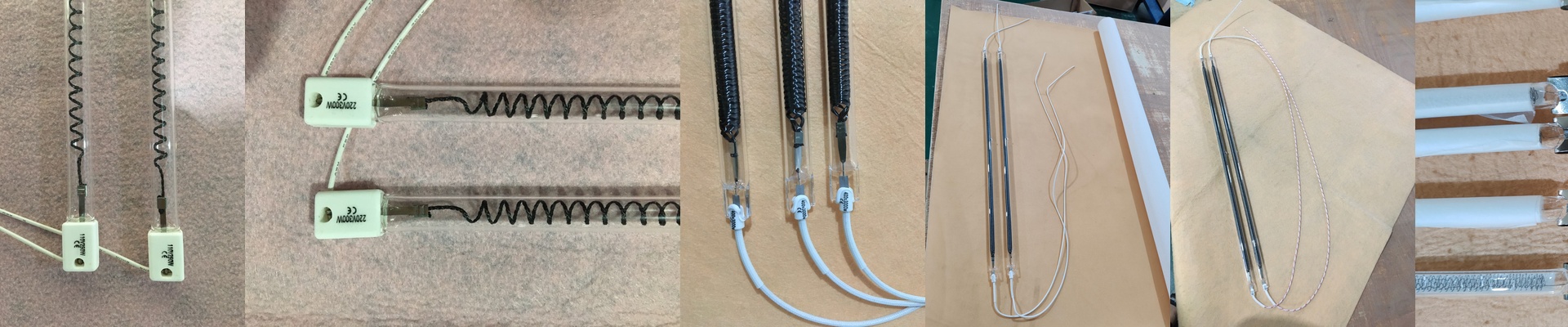
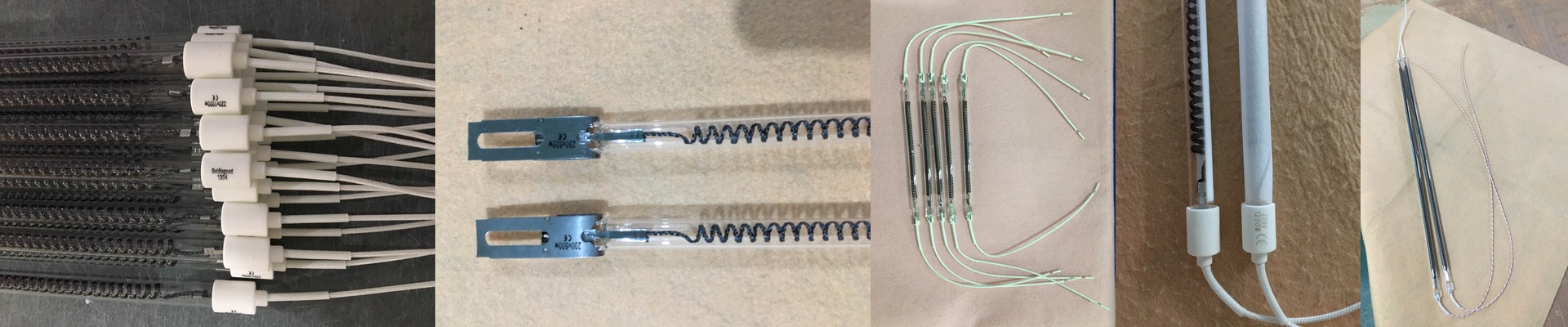
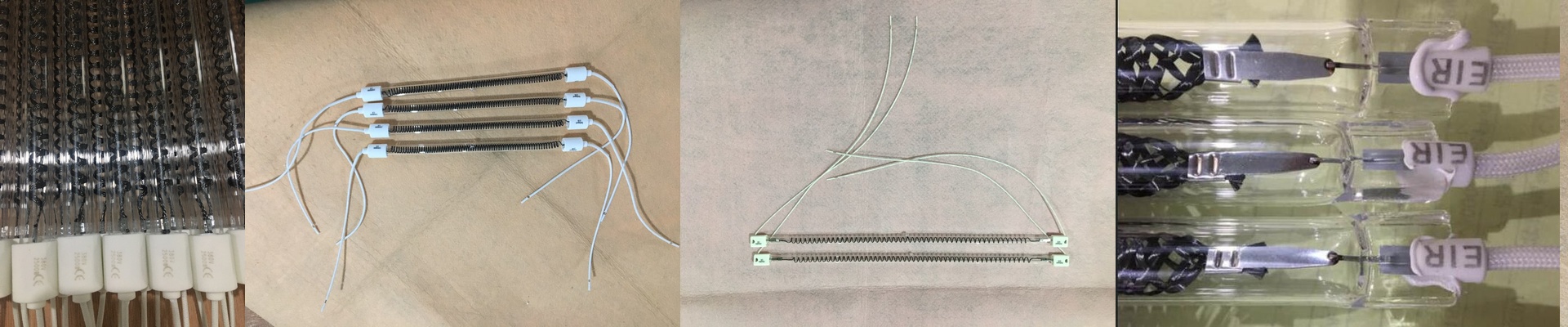
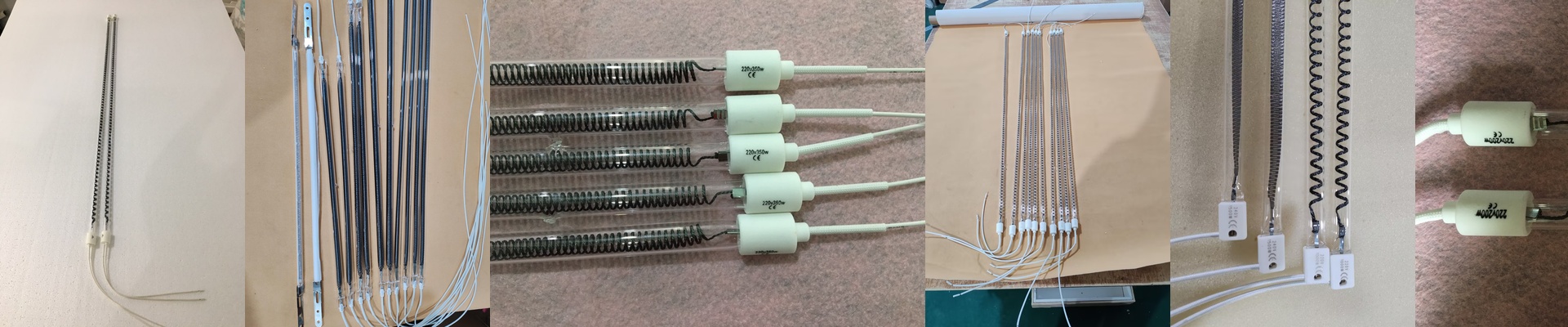
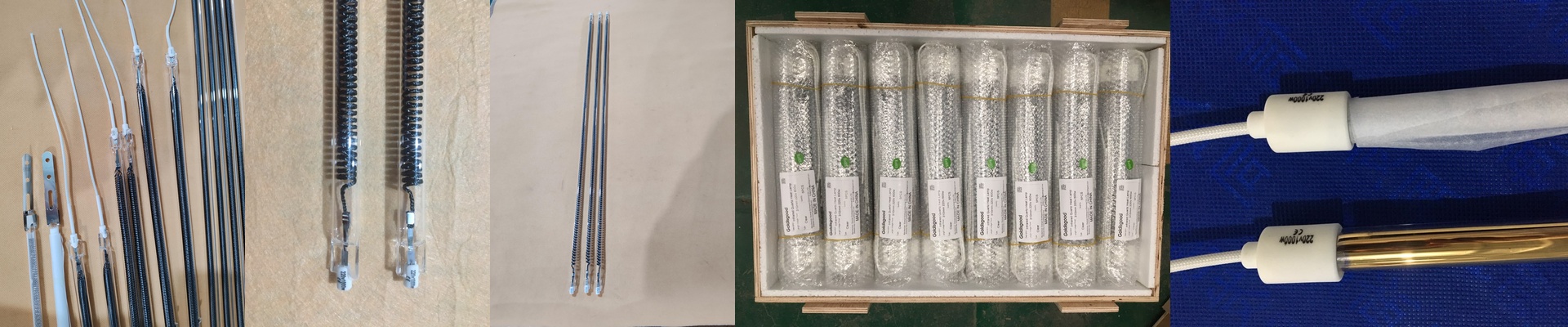
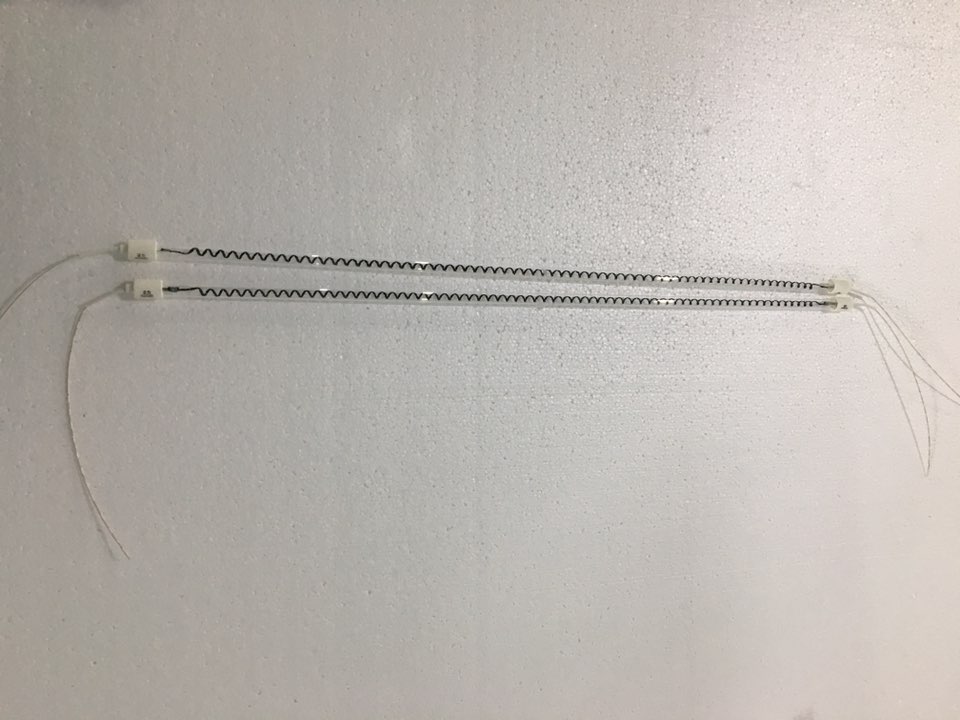
Let’s talk about the 220V 1000W Carbon Fiber Heating Lamp
We built these lamps for one reason: to get serious heat exactly where you need it. Most people are used to those old metal alloy elements, but carbon fiber is different. It doesn’t need to get blindingly hot to do its job. Instead, it pumps out a ton of medium-to-long wave infrared radiation. The best part? Since it doesn’t rely on extreme surface heat, the filaments don’t burn out nearly as fast. Power and the “Clear” Advantage At 1000W and 220V, these things ramp up fast. Really fast. We wrapped the filament in clear quartz glass so the heat actually reaches your workpiece instead of getting trapped in the bulb. But a quick heads-up: keep your power supply steady. If you’re in a factory with messy voltage spikes, those carbon filaments can snap way quicker than the old tungsten ones. Why Carbon Fiber? It’s all about how the material handles the stress. Carbon fiber doesn’t freak out when it expands and contracts. You can flip the power on and off all day, and the lamp won’t warp or give up on you. And because it’s a clear lamp, you get a straight shot of heat. If you’re drying or curing something, you won’t deal with that annoying “filter effect” you get with coated bulbs. It’s just raw, direct energy. A couple of things to watch out for… These are usually a breeze to swap into your old infrared arrays, and they’re actually easier on your electrical panels than those power-hungry halogen options. But here is the big warning:Do not touch the glass with your bare hands. I mean it. The oils from your skin leave invisible spots on the quartz. Once the lamp hits 1000W, those spots turn into hot zones that can crack the glass. Use gloves. Also, grab some high-temp leads for the wiring so you don’t accidentally melt your insulation.