Are Carbon Heaters Cheap to Run? The Real Deal
We hear this all the time. “Are carbon heaters actually cheap to run?” The short answer is yes—but only when the lamp is truly matched to the voltage, the geometry, and the load. Our industrial carbon halogen infrared heaters are built to pack a lot of heat into a small space, with tight control over how much energy goes in. That’s exactly how you keep operating costs down, even when the equipment is running hard.
Power, Voltage, and Size: What Actually Matters
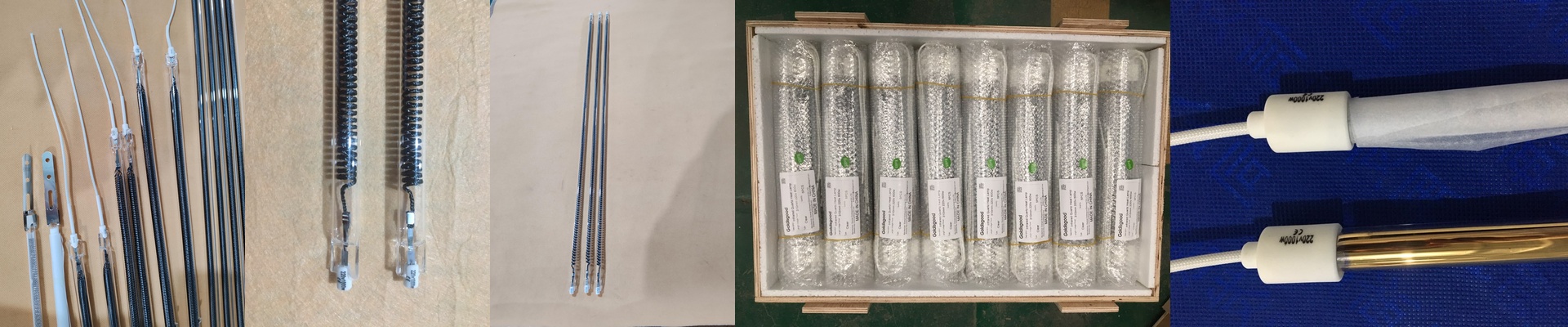
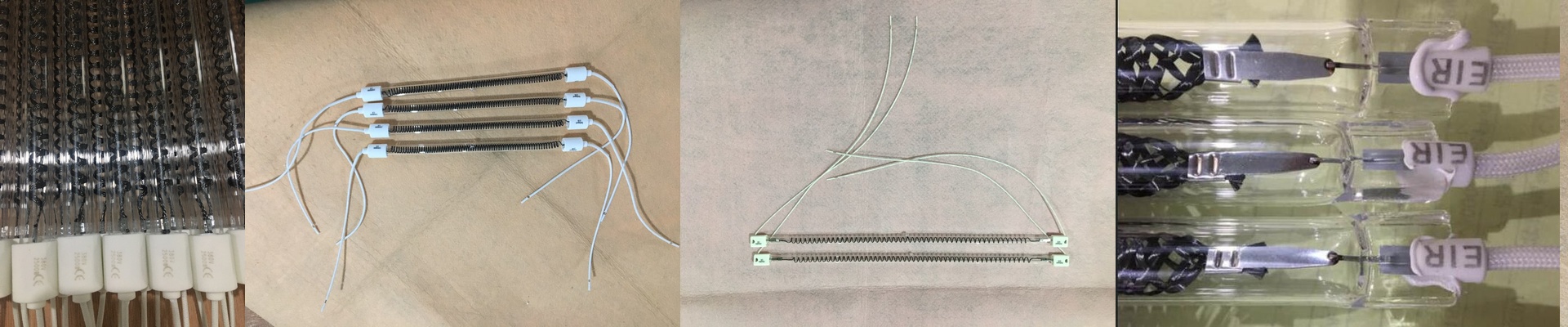
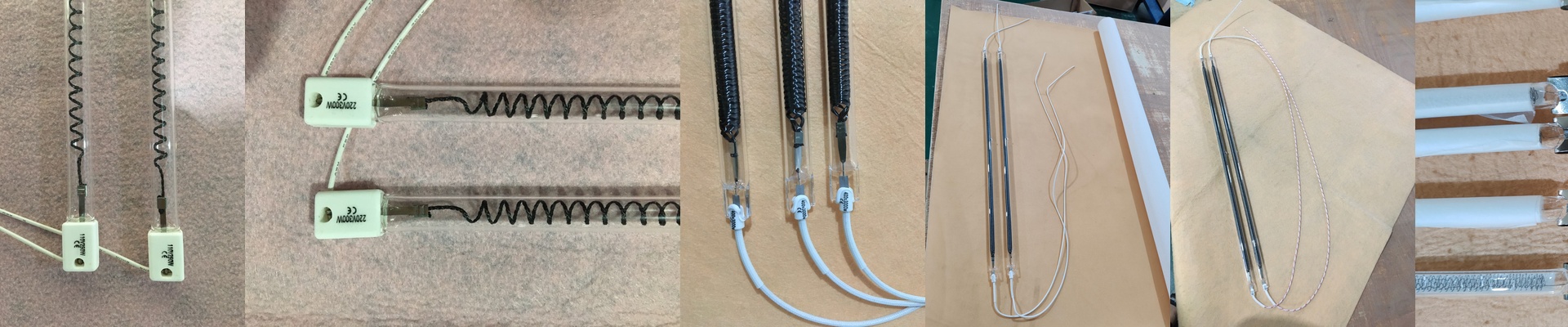
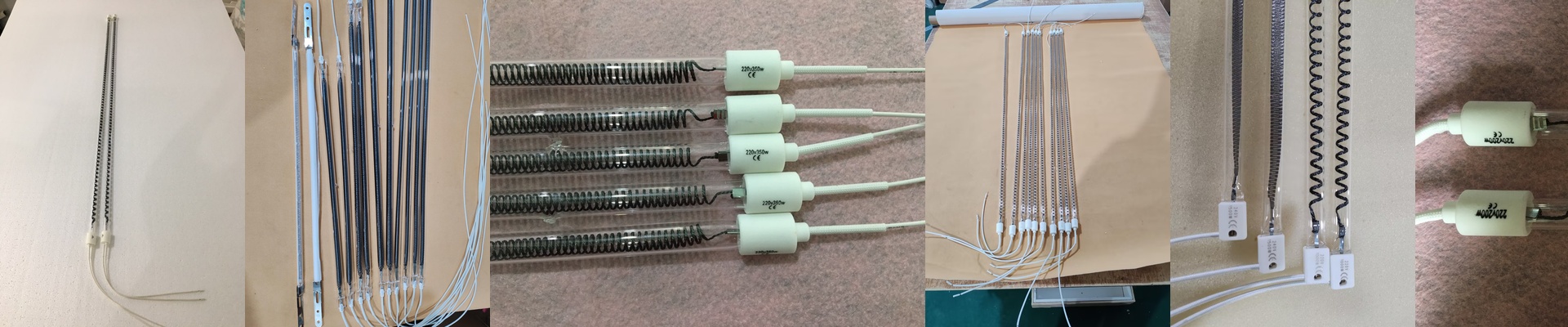
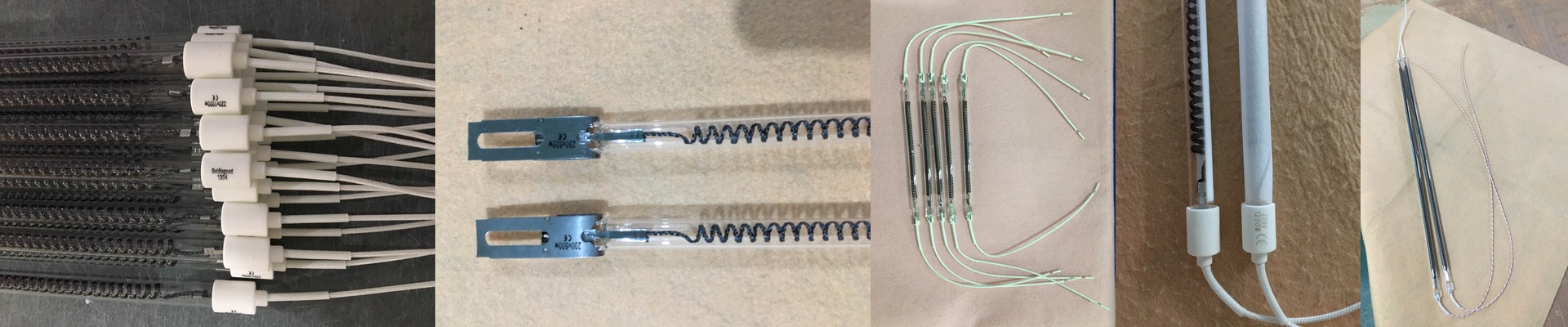
Carbon heaters run on a direct resistive load, so wattage and voltage aren’t just specs on a page—they shape the heat output and what your electrical setup needs to support. If a plant has three-phase power, a 400V carbon heater is often the smart pick because it keeps the current lower for the same power level. That means you can use smaller conductors and reduce stress on the wiring and connections. Wattage—like 2500W—sets the heat flux. And the length, say 300mm, focuses that heat into a defined footprint. So you can heat a specific zone without turning the whole machine bay into a sauna.
Inside the Design: Halogen, Quartz, and the Right Fit
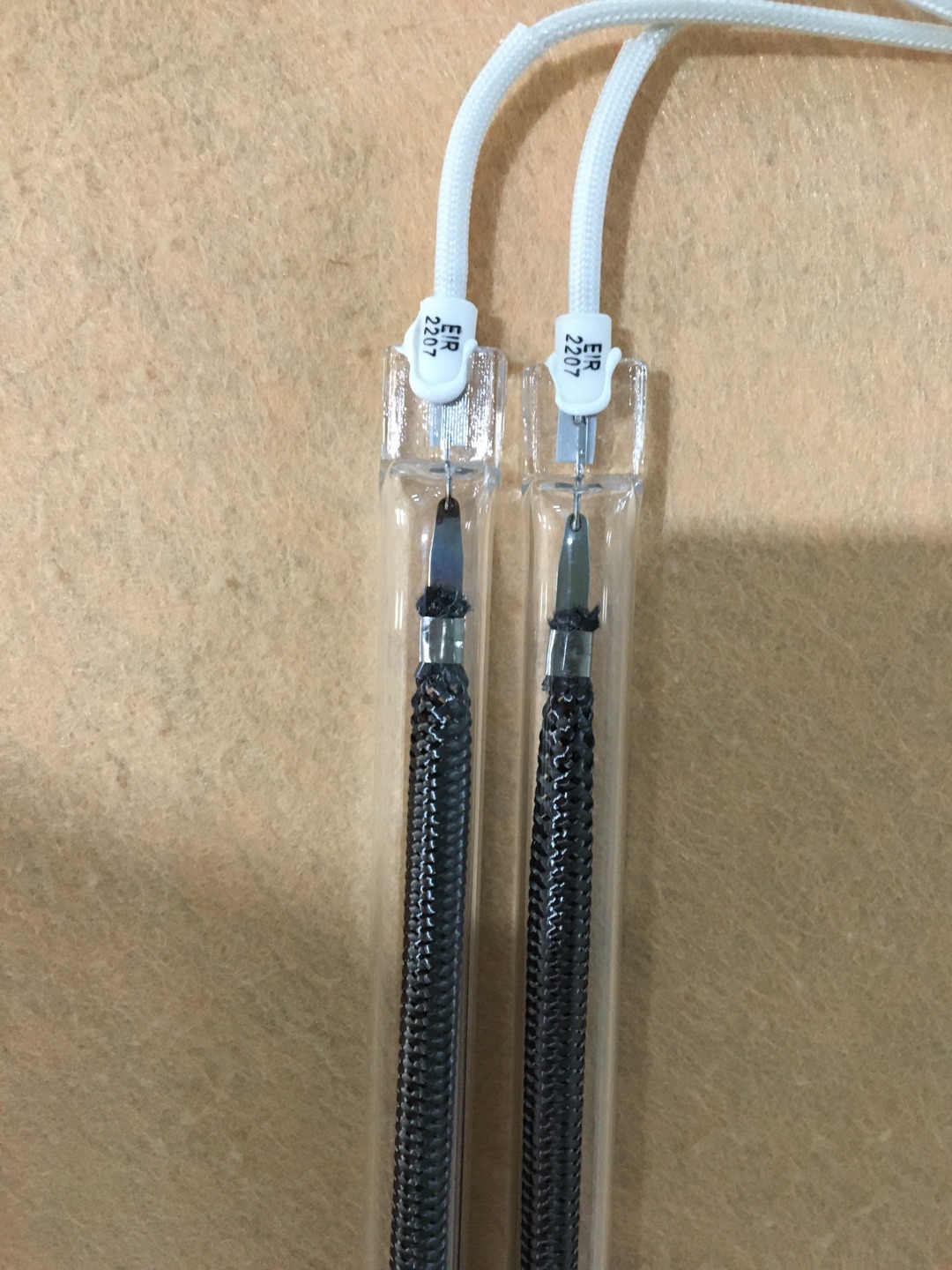
The halogen capsule inside the quartz envelope does a quiet, steady job: it keeps the filament stable and helps the output stay consistent over the lamp’s life. No more watching basic IR lamps burn out quickly. And the reflector coating isn’t just for looks. It pushes infrared energy forward where you need it and cuts down on wasted heat. For installation, we use R7s or Sk15 bases because they’re made for industrial terminals, quick lamp swaps, and repeatable alignment. Wire it once, and the lamp seats the same way every time. No fuss.
Where This Setup Shines—and What to Watch For
This configuration really earns its keep wherever you need fast, localized heat: PET blowing, thermoforming, sealing, curing—places where speed and precision matter. High heat density plus directional infrared means you can hit process temperature quickly, keep cycle times tight, and avoid heating everything else around it. But there’s a trade-off, and it’s real: high power density needs proper cooling and thermal management. If the machine can’t shed that heat, the lamp and nearby components will feel it. Match the lamp to the voltage, size the cooling correctly, and you get the low running cost you want—plus uptime you can count on.