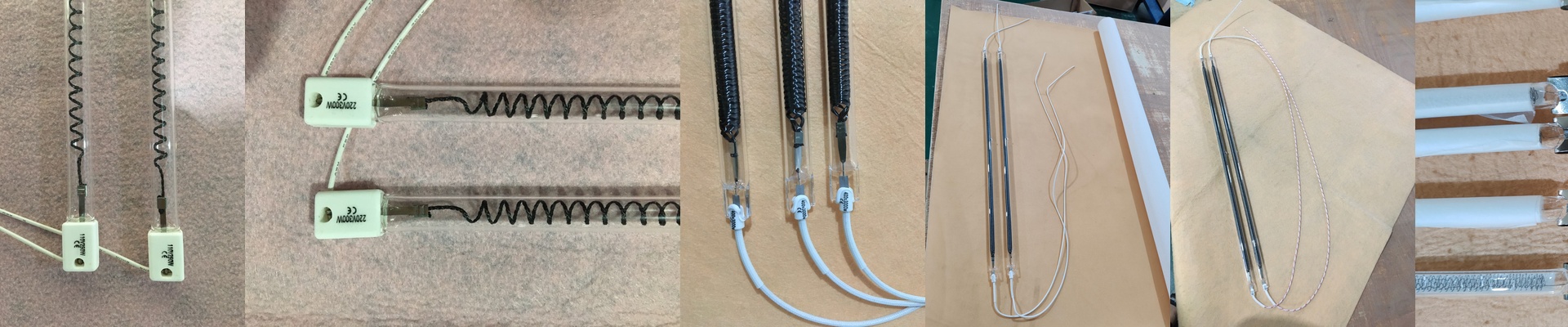
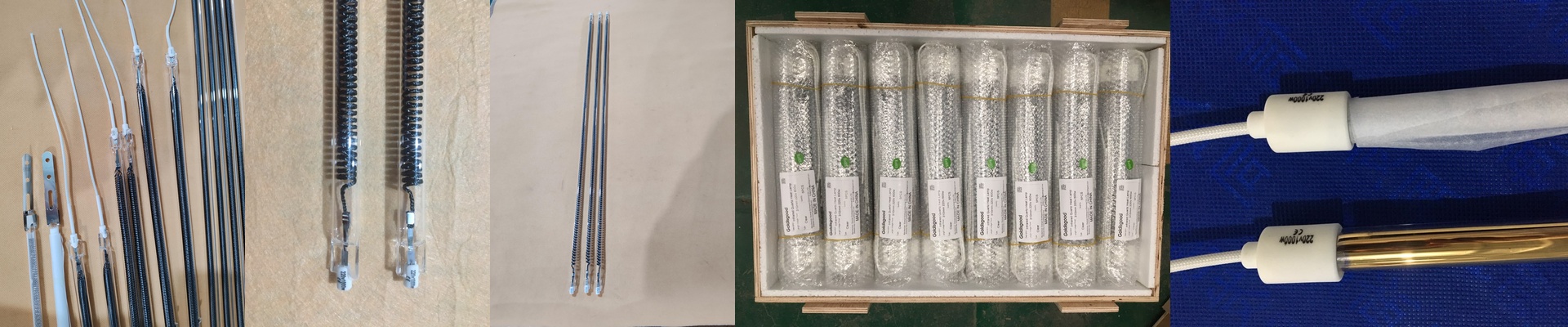
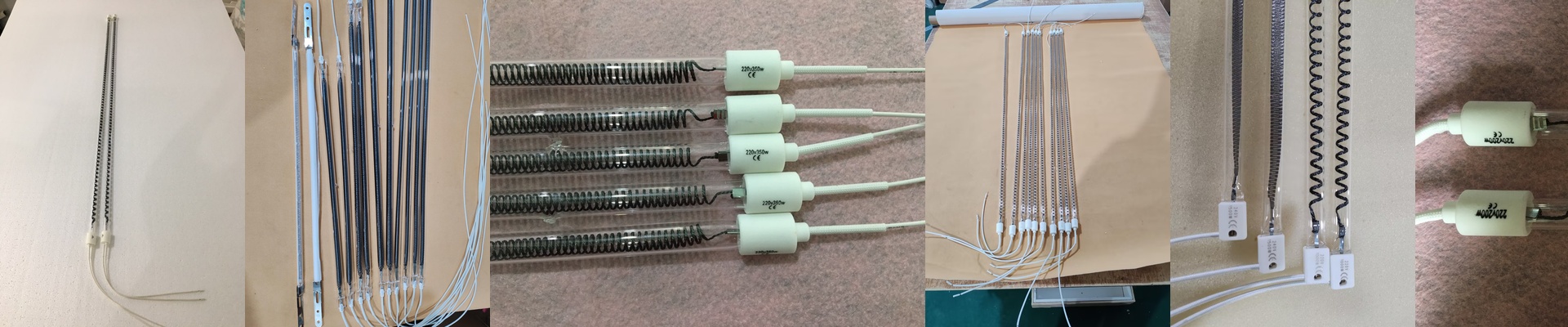
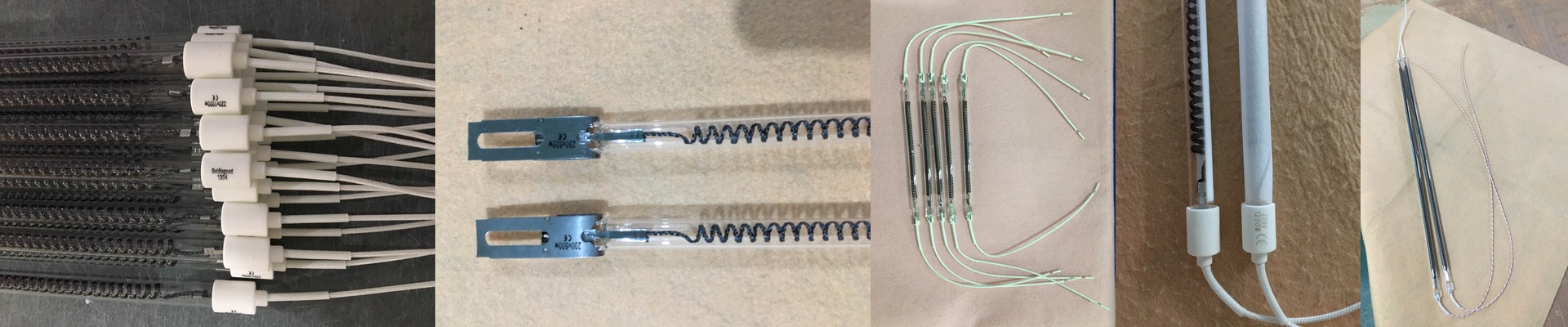
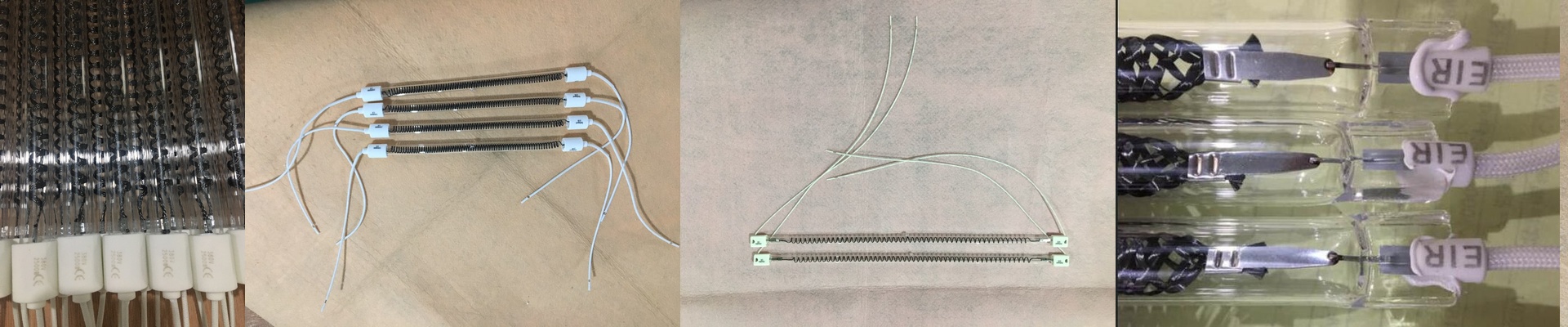
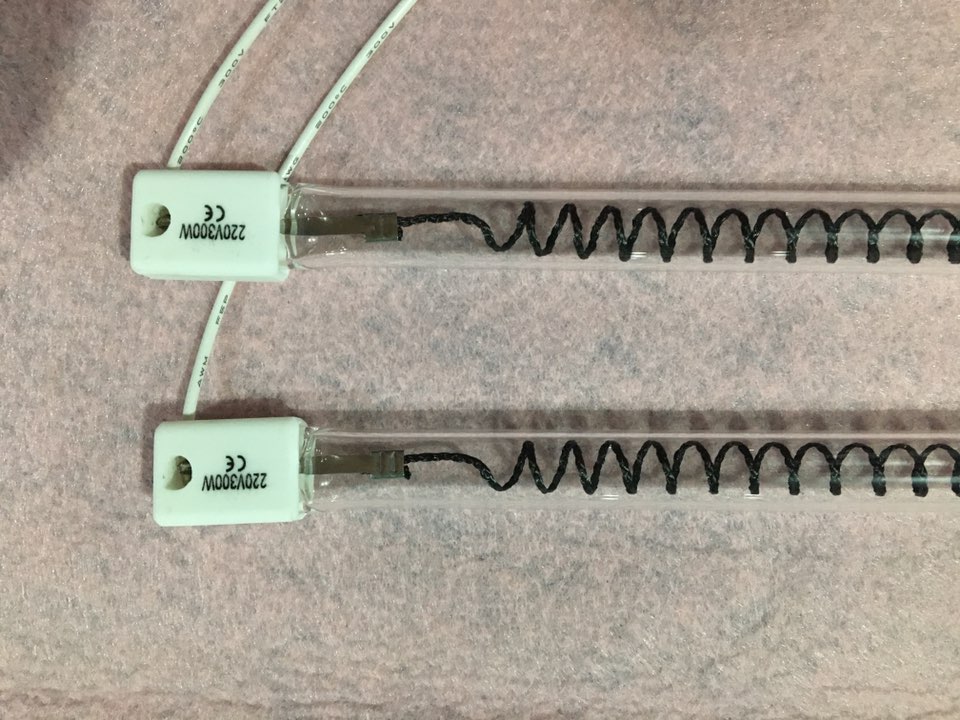
Let’s talk about Carbon Infrared Heating
Most people are used to tungsten, but we do things differently. We use carbon-filament emitters. Why? Because they pump out high-intensity shortwave radiation. In plain English: the heat goes straight into your workpiece. It doesn’t waste time heating up the air around it. It’s fast. Really fast. Getting the power right When we’re figuring out which tube you need, it all comes down to heat flux. If you want a hotter surface temperature, you need a higher wattage-to-length ratio. If you’re running a fast conveyor belt, you’ll want higher voltages to get those ramp-up times down. But here is the catch: you’ve got to match your power supply to the lamp’s rated voltage. If you try to over-drive the filament, you’re basically asking it to burn out. It’ll kill the life of the lamp way faster than it should. The nuts and bolts We wrap that carbon filament in high-purity quartz. Sometimes, we add a special coating to shift the emission spectrum. This is a lifesaver for materials that usually ignore standard infrared. As for the wiring, we stick with R7s or Sk15 bases. They’re standard for a reason. They just drop right into most industrial heaters and give you a tight connection, so you don’t have to worry about electrical arcing when the current gets heavy. Where this actually works (and the pitfalls) You’ll see these lamps everywhere—PET blowing, curing paint, welding plastics. Because the shortwave output is so strong, you can actually move the lamp further away from the part and still get the heat you need. It saves a ton of space on your factory floor. But it’s not all magic. These tubes are a bit finicky about cleanliness. A little bit of oil or a smudge of dust on the quartz creates a “hot spot.” And a hot spot? That’s how you crack the glass. Keep them clean. And for heaven’s sake, make sure your cooling fans are actually up to the task of handling the heat around the sockets.