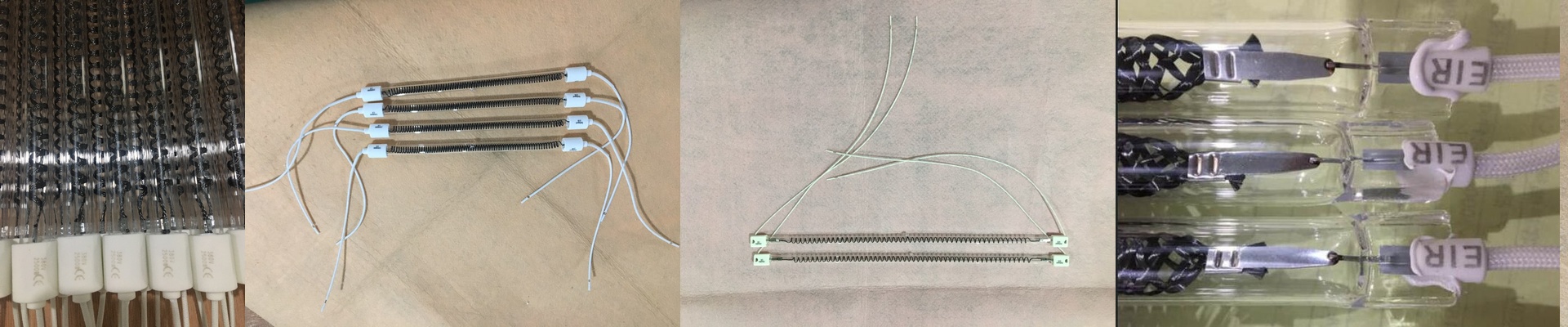
Let’s Talk About SK15 Carbon Fiber Lamps
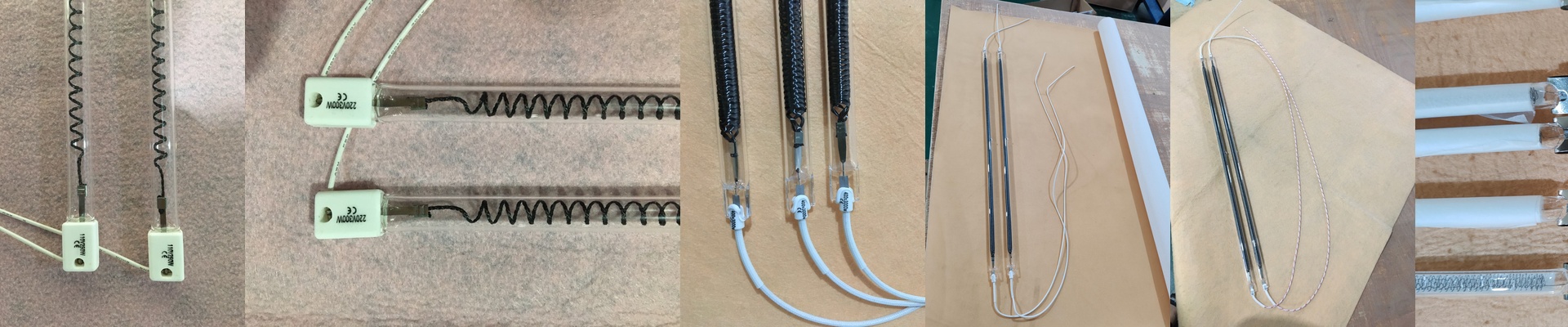
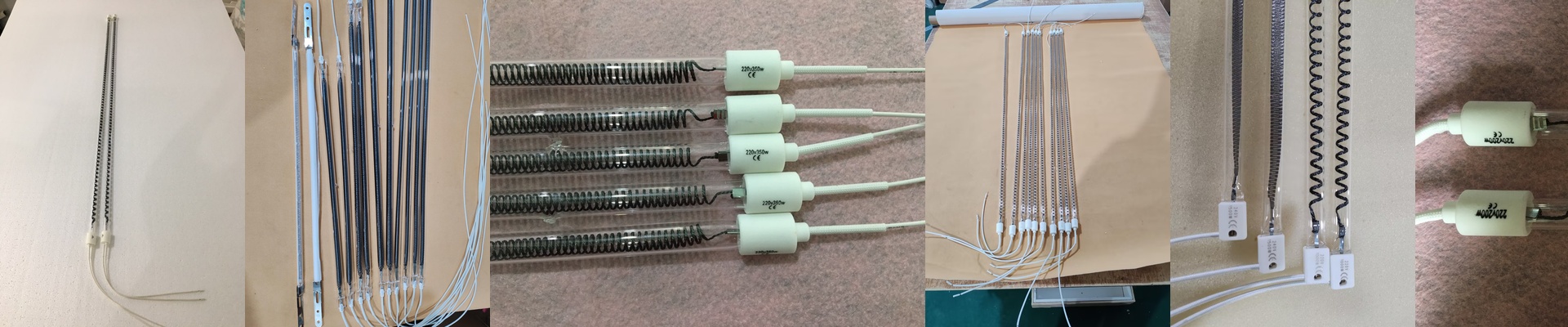
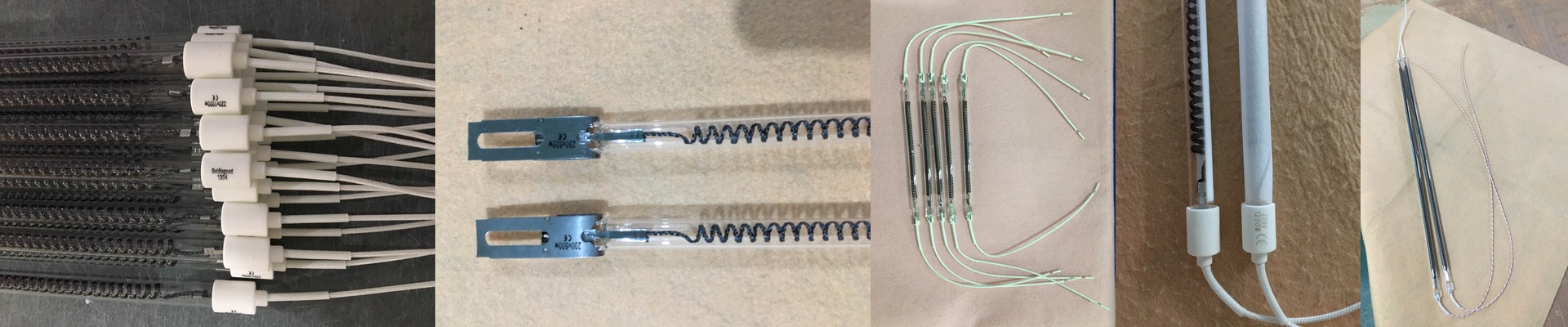
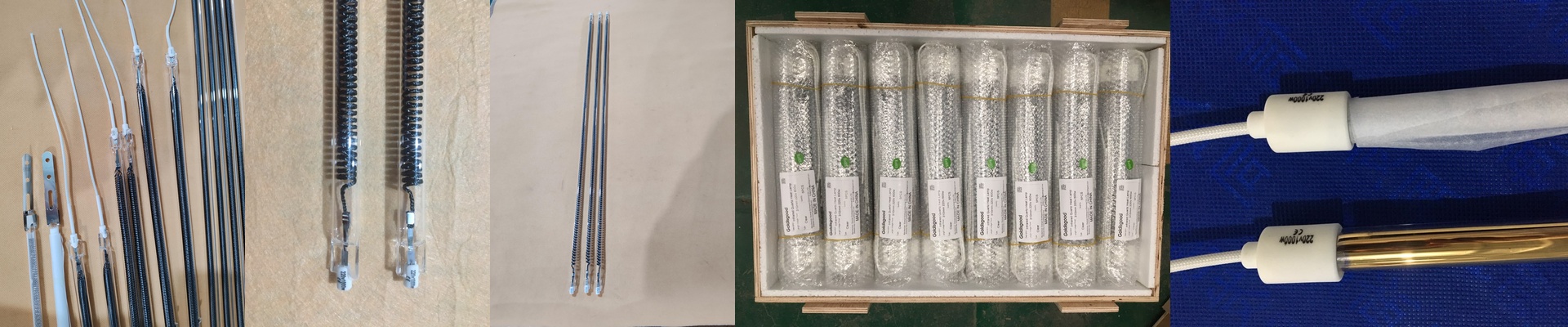
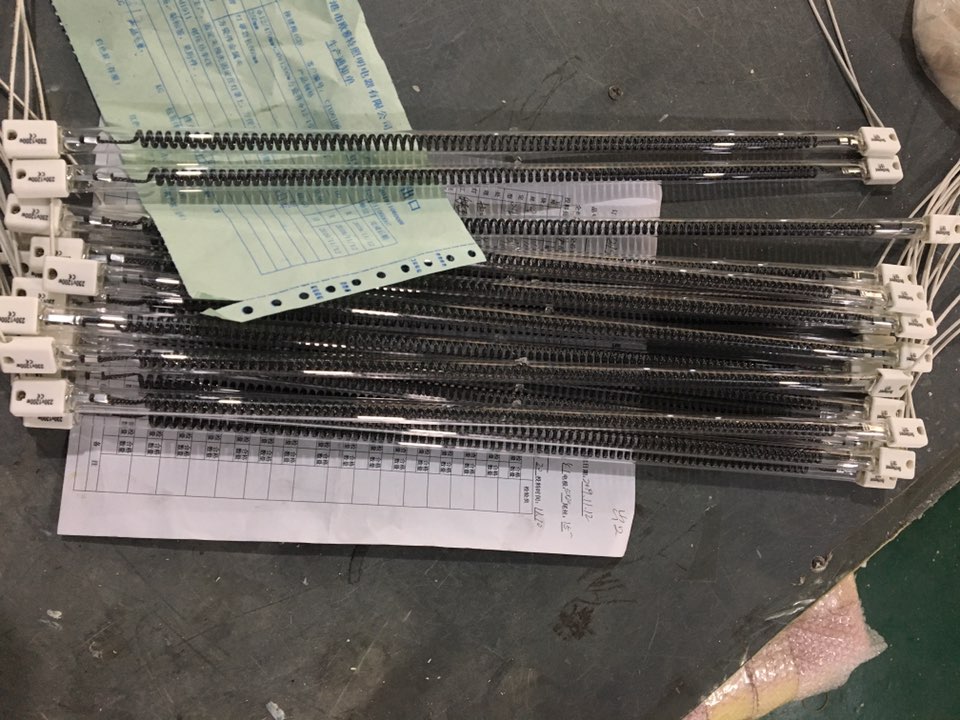
We built the SK15 carbon fiber lamps for those nightmare scenarios where standard halogen tubes just keep popping. You know the ones—high-intensity thermal loads that eat through filaments for breakfast. Instead of the usual metal, we use a carbon-fiber filament tucked inside a quartz envelope. It’s a simple change, but it lets us push way more current through the lamp without it burning out the second you flip the switch.
The Nitty-Gritty on Power
The SK15 base is a spring-loaded, plug-in connector. Why? Because vibration is a killer in industrial settings. This design keeps the electrical connection tight so you don’t have to deal with annoying arcing at the contact points. When you’re running a high-wattage circuit, that stability is everything. As for the heat itself, carbon fiber does things differently. It puts out medium-to-long wave infrared. In plain English: the heat actually sinks deep into your materials rather than just hitting the surface. You get a much more even “soak.”
The Trade-offs (Because Nothing is Perfect)
We use quartz glass because it can handle the heat and lets the IR radiation pass right through. And that carbon-fiber core? It’s a beast when it comes to thermal shock. If your process requires you to click the heat on and off every few seconds, this won’t snap like tungsten does. But here’s the catch. These lamps don’t get as hot on the surface as halogen tubes. If you need that blinding, instant white heat to sear a surface, these might feel a bit too “soft” for you. They’re built for volume and depth, not a quick surface flash.
Making Them Work for You
The best part is that these are basically drop-in replacements. Whether you’re dealing with PET blowing, curing ovens, or drying lines, the SK15 footprint means you can swap them out and get back to work fast. Just a couple of pro tips to keep them running:**keep your reflectors clean.**If dust builds up on the mirror behind the lamp, your efficiency tanks and the tube has to run hotter than it should just to keep up. Also, double-check your power supply. Make sure the voltage matches exactly. If it’s off, you might blow the filament during that first cold start, and nobody wants to do the same job twice.