Let’s Talk carbon Heat Tubes
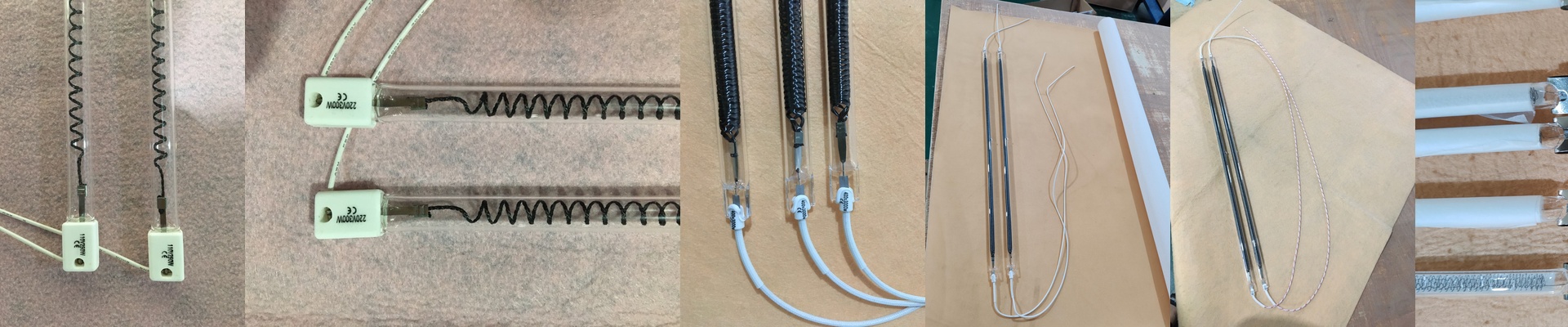
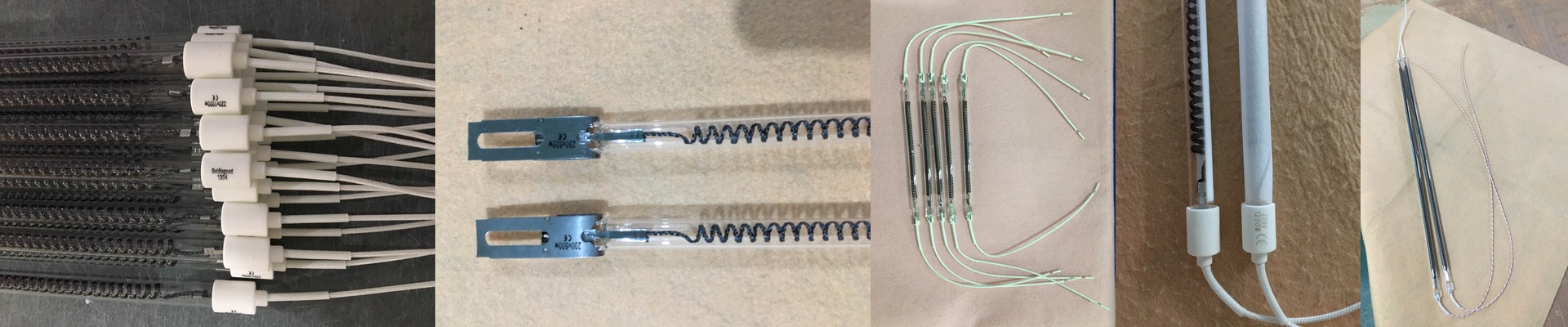
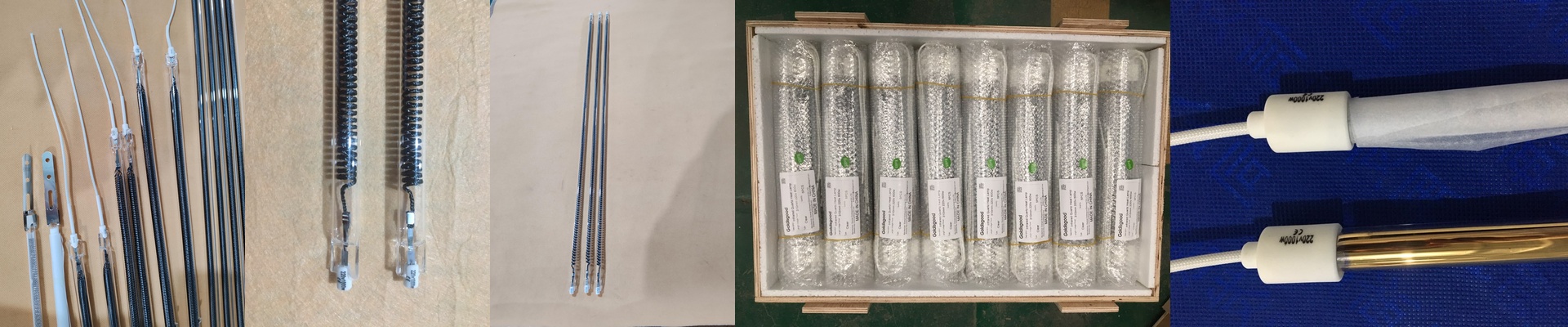
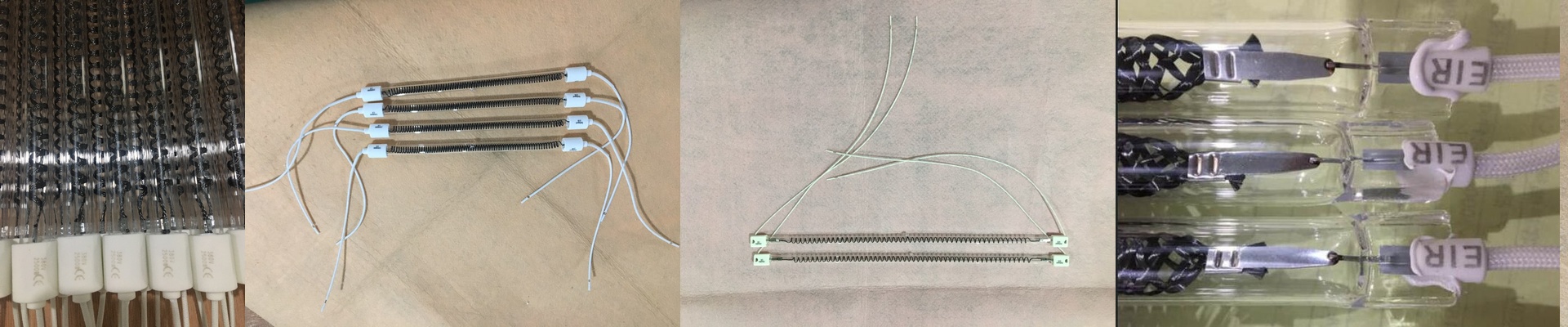
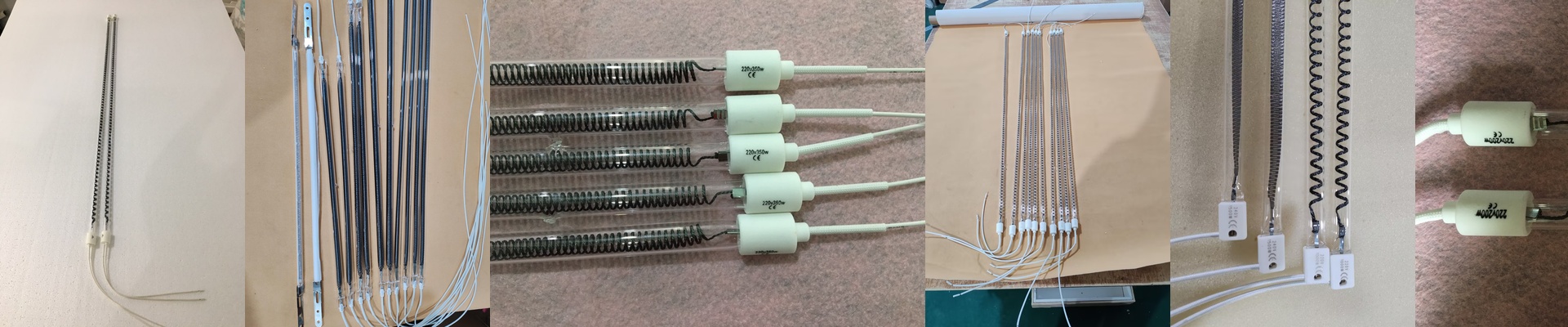
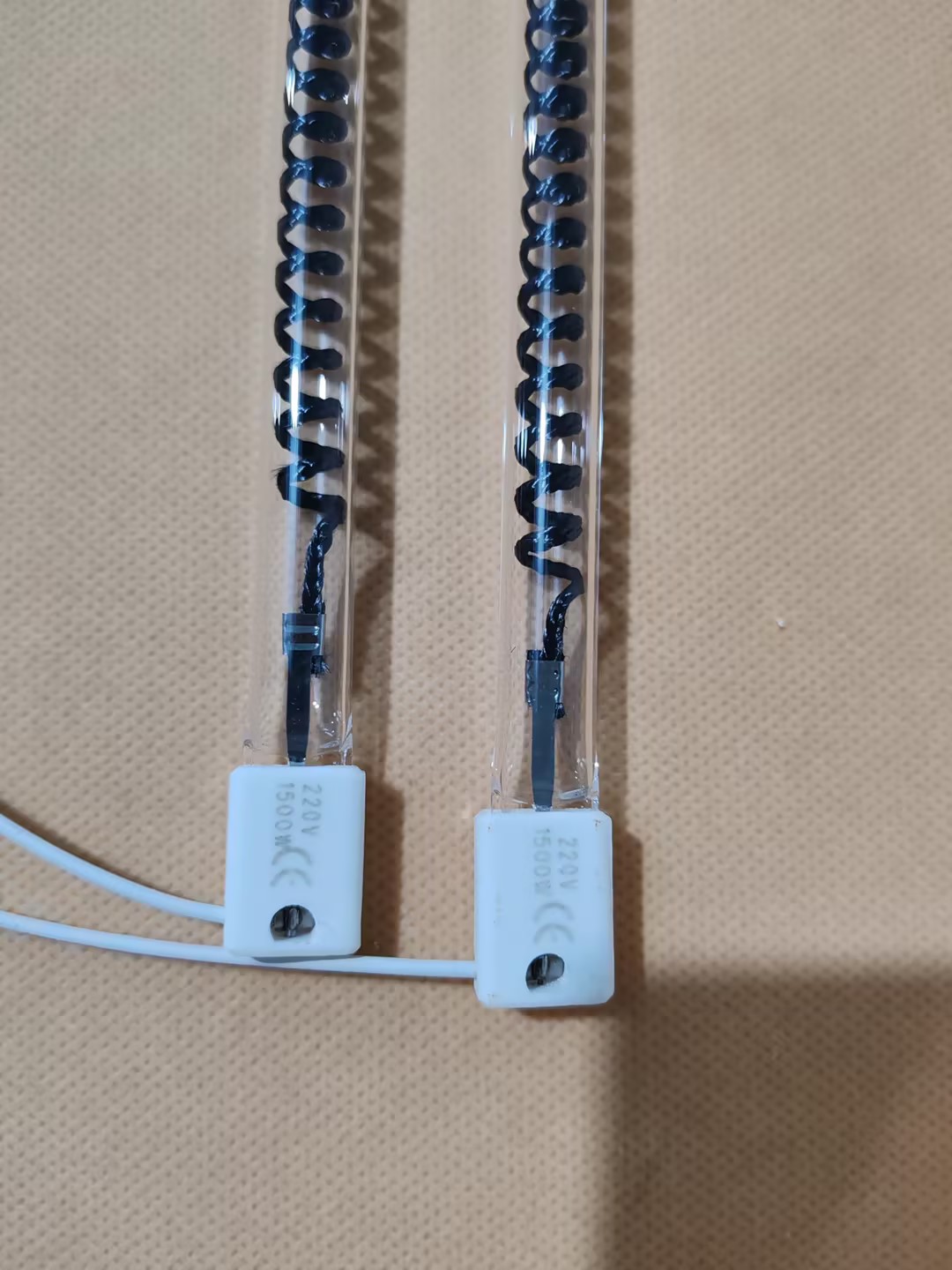
Ever wonder why some industrial heaters take forever to warm up while others hit peak temp almost instantly? It’s all about how they move energy. Instead of using those old-school resistive coils, we use carbon fiber filaments tucked inside high-purity quartz. The result? You get short-wave infrared emission that doesn’t mess around. It’s fast. Really fast. The Power Stuff When you’re picking out a tube, you’ve got to look at the voltage-to-wattage ratio. That’s what controls your heat flux. If you cram a lot of wattage into a small space, you get an intense burst of thermal energy. It’s great for rapid heating, but here’s the catch: your power supply needs to be ready for that initial inrush of current. If you’re running high-voltage gear, make sure your wiring and contactors can actually handle the load. Otherwise, you’re just looking at a premature burnout. What They’re Made Of We stick with quartz glass for the outer shell because it lets the infrared radiation pass through without wasting energy. Some of our tubes even have a special coating. It shifts the emission spectrum so the heat actually sinks deeper into your material rather than just scorching the surface. As for the ends, we use R7s or Sk15 connectors. They’re standard, easy to swap out, and they stay tight even when the metal expands under high heat. No scary arcing here. Real-World Use (and the Trade-offs) If you’re doing PET blowing or curing plastics, these are your best friend. They give you that heavy hit of heat needed to soften polymers without turning the surface into a melted mess. But look, nothing is perfect. Because these things put out so much heat, they’re a bit temperamental. A hard physical shock or too much thermal stress can crack them. Plus, you have to watch your airflow. If heat builds up around the ends of the tube, it’ll eat your sockets alive. Make sure your cooling system is actually up to the task of handling the ambient temp around the housing. One last tip: use a steady voltage regulator. It’ll keep your filaments alive much longer.