Let’s Talk Carbon Fiber Heating Tubes
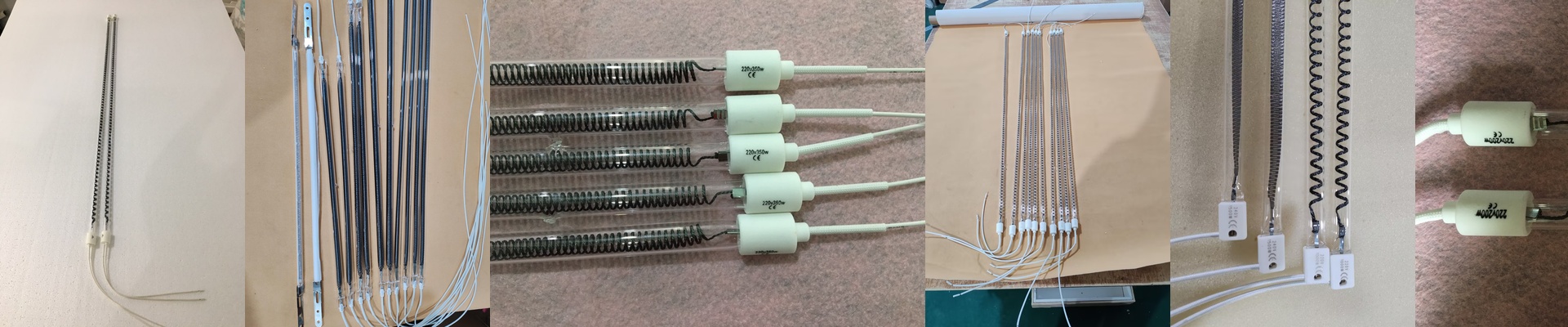
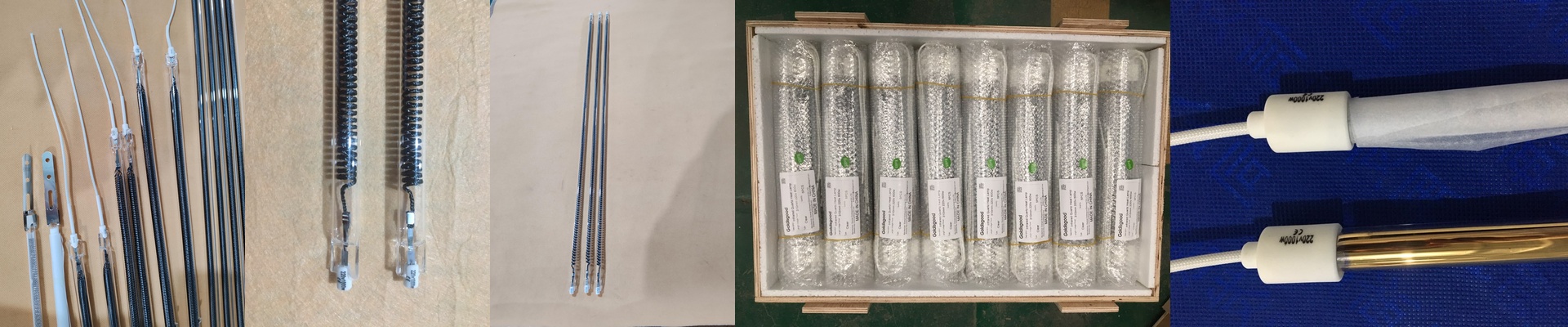
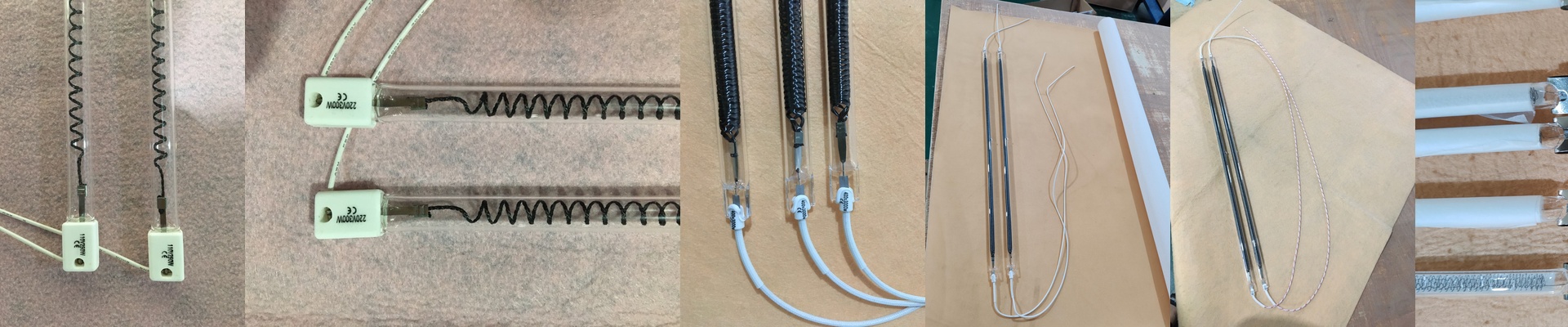
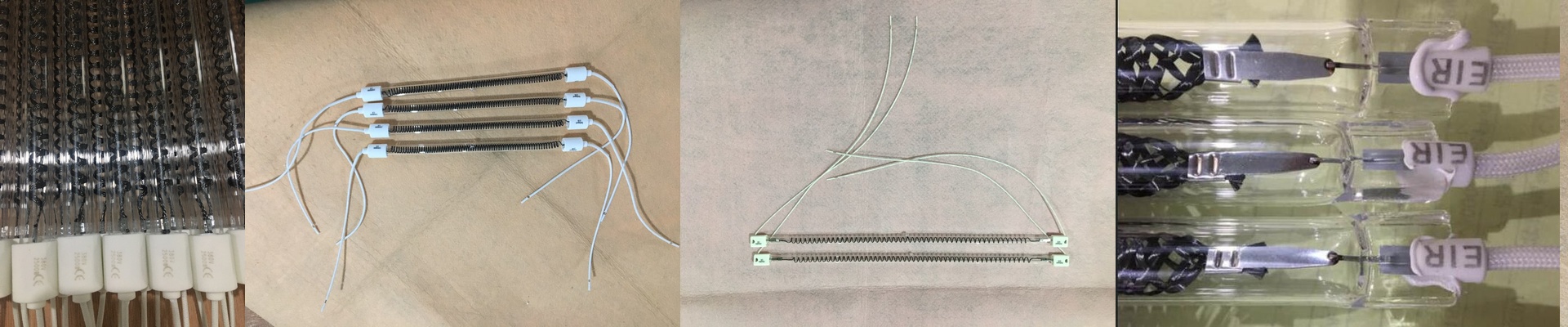
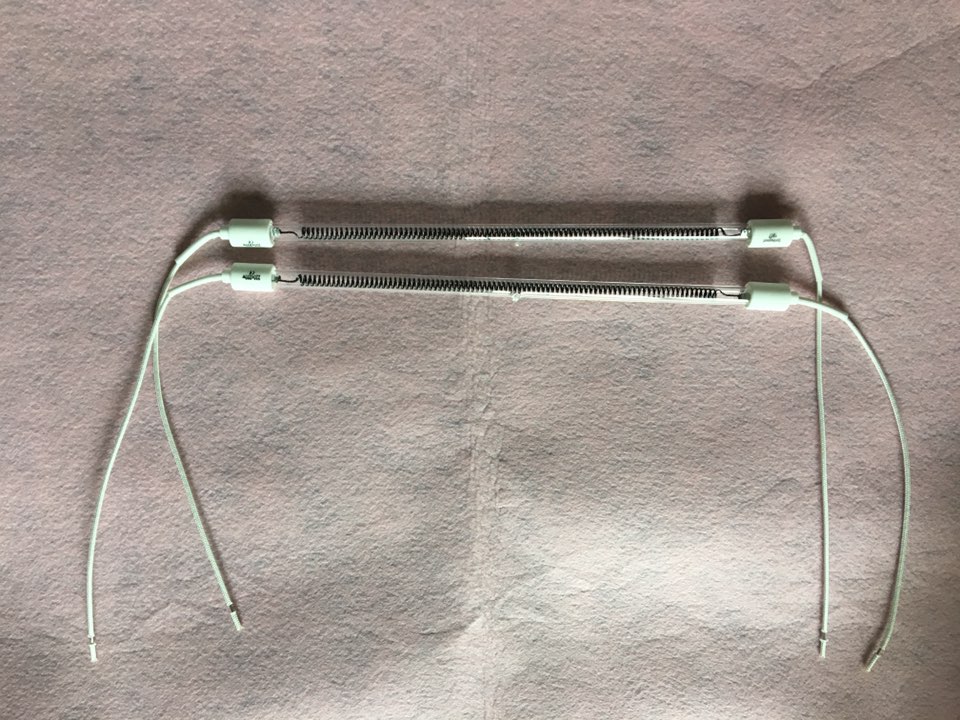
Here is the basic deal: we take a conductive carbon filament, wrap it in a quartz envelope, and you get a powerhouse of infrared radiation. If you’ve used old-school metal coils, you’ll notice a difference immediately. Carbon fiber lets us keep the voltage drop low, which pushes the heat into that short-wave spectrum. It’s built for those moments when you need a massive blast of heat, and you need itright now.
Power, Voltage, and the “Danger Zone”
When we’re figuring out your specs, we look at the wattage per millimeter. If you go with a high-wattage tube—say, 2000W or more—running on 230V or 400V, you’re getting an incredible amount of heat in a very small space. This is great because it lets you shrink the overall footprint of your machine. But here is the catch. You’ve got to make sure your wiring and power supply can actually handle that draw. If you try to cram too much wattage into a tube that’s too short, you’re asking for trouble. You’ll either burn out the filament or, worse, the quartz will crack because it can’t handle the thermal expansion.
The Build and the Setup
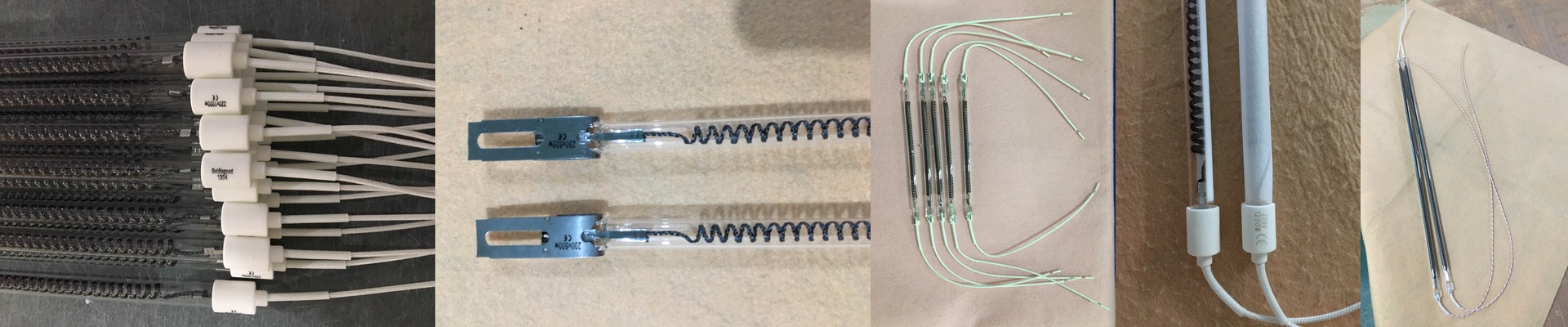
The quartz glass isn’t just there for looks; it keeps the carbon fiber from oxidizing. Depending on what you’re doing, we can add special coatings to the glass. This helps tune how the heat emits or protects the tube if you’re working in a messy industrial environment where chemicals tend to splatter. As for getting them installed? It’s easy. We use standard connectors like R7s or Sk15. They’re basically plug-and-play for most infrared housings, so you can get your system wired up without spending your afternoon soldering custom joints.
Real-World Use (and a few warnings)
You’ll see these tubes everywhere in PET blowing, plastic welding, and drying lines. They hit your target temperature in seconds. It’s fast. Really fast. But keep in mind: that high heat density makes the tubes a bit fragile. They don’t love being shaken. If your machine vibrates a lot, youneeddampened mounts. Without them, that quartz is going to shatter. One last thing—don’t forget your cooling system. Make sure it’s sized right so your housing doesn’t melt while the tube is running at full tilt.
- Carbon Fiber
- Infrared
- Quartz
- Thermal
- Heating
- Carbon
- Fiber
- Tubes
- 1600w-220v-Sk15-Infrared-Lamp-Heater-Halogen-Infrared-Heating-Lamp-for-Pet-Blowing-Machine
- 350mm 220v 3000w Halogen Infrared Heat Lamp for Pet Blowing Machines
- 220v 2000w Half White Coating Infrared Quartz Heat Lamp With Ce for Pet Blowing Machines
- 230v 2000w Clear Infrared Quartz Heat Lamp With Sk15 for Pet Blowing Machines
- 2500w-2000w-1500w-240v-R7s-Half-White-Plated-Halogen-Ir-Infrared-Heat-Lamp-for-Pet-Blowing-Machine
- 400v 3000w Heat Emitters Infrared Heat Lamp for Pet Blowing Machines
- 2500w-415v-R7s-Replacement-Infrared-Lamp-Halogen-Infrared-Lamp-Heater-for-Pet-Blowing-Machine
- 2500w 400v Sk15 Ir Heater Lamp Half White Halogen Infrared Heat Lamp for Pet Bottle Blowing Machine
- 2500w 400v R7s 300mm Coated Ir Lamp Halogen Infrared Heat Lamp for Pet Bottle Blowing Machine
- 220v 2000w Half White Coating Infrared Quartz Heat Lamp With Sk15 for Pet Blowing Machines