Let’s Talk Carbon Fiber IR Heaters
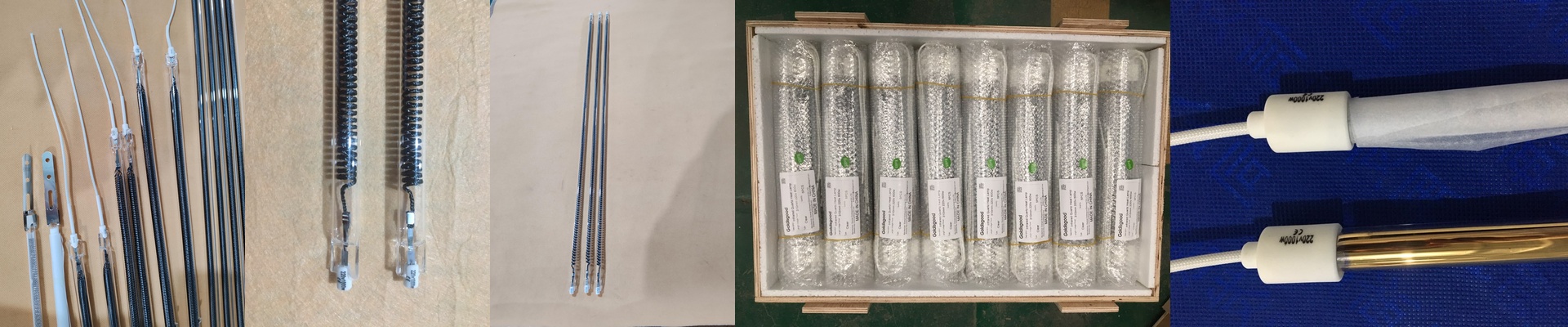
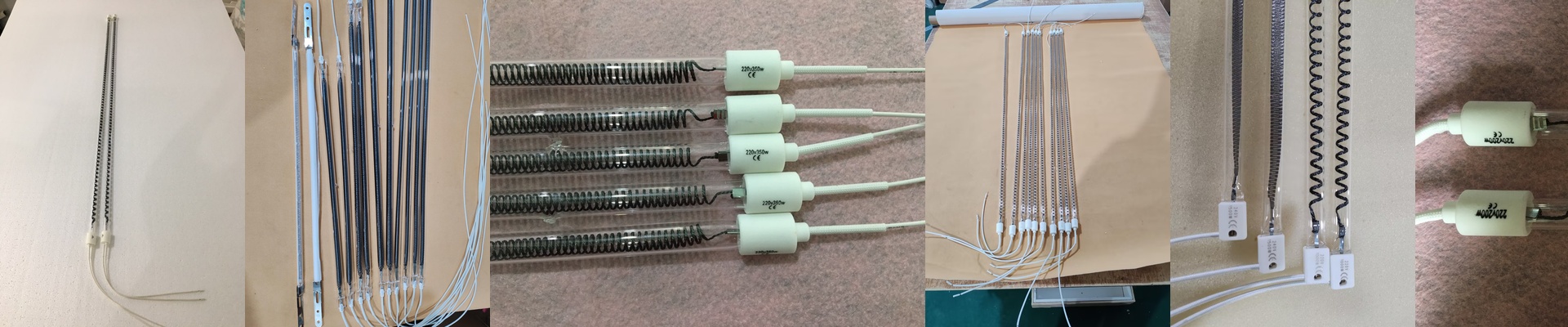
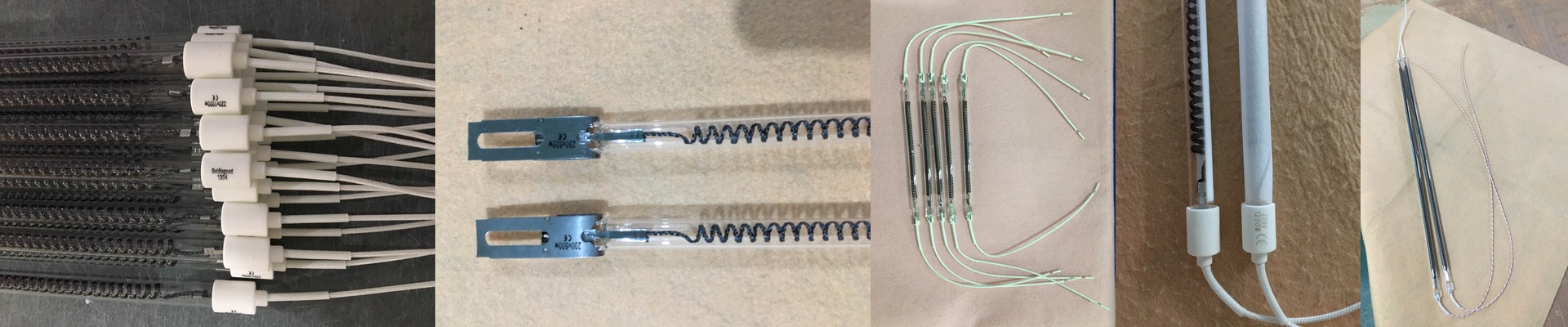
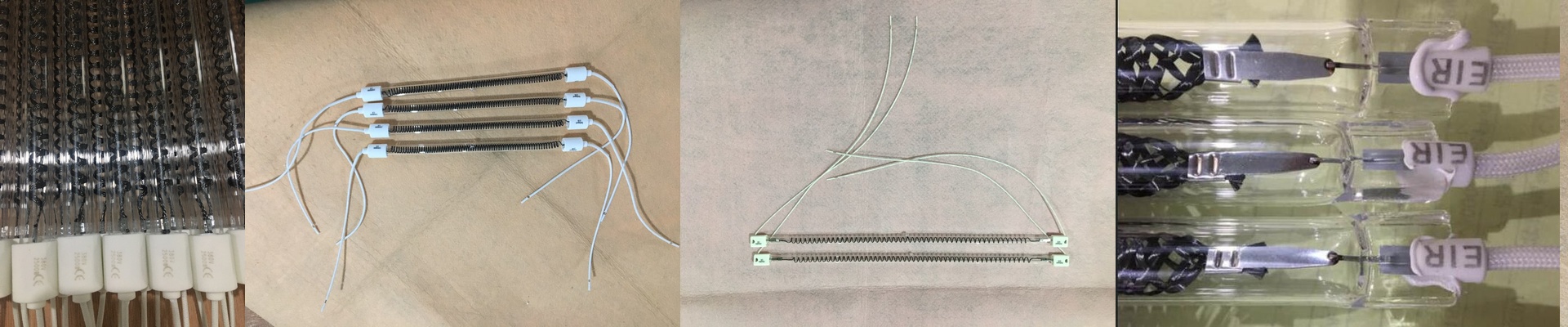
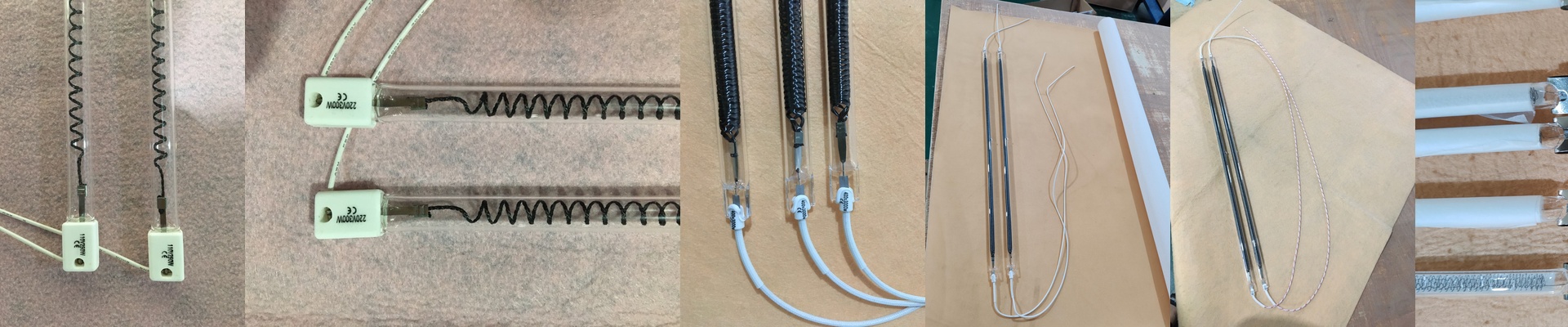
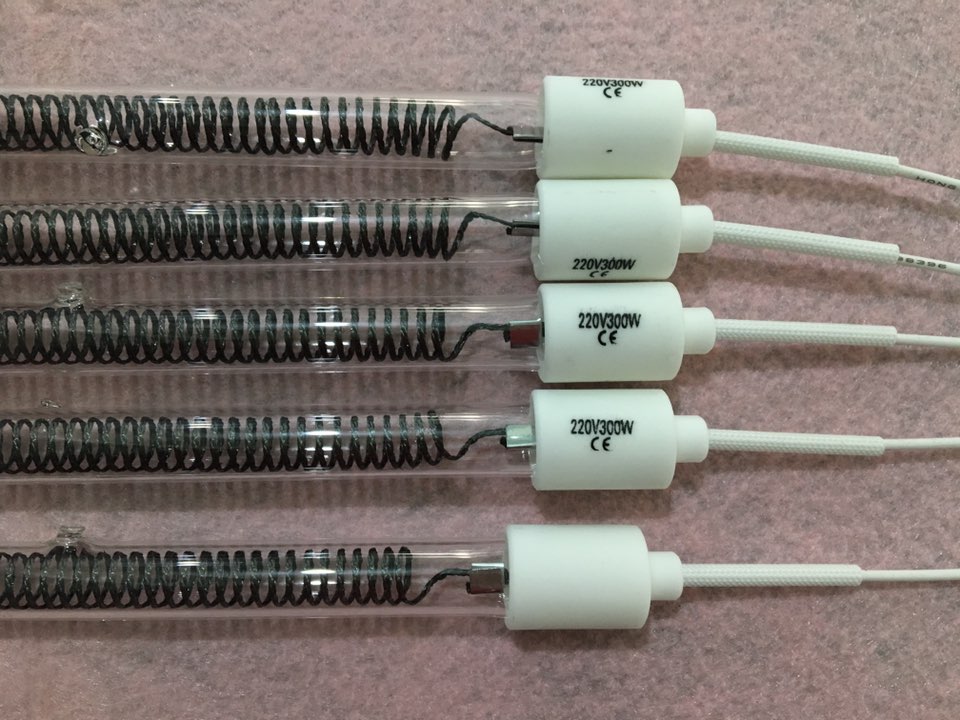
If you’ve spent any time around quartz or halogen lamps, you know the drill. But carbon fiber infrared heaters are a different beast. Instead of a metal filament, we use conductive carbon fiber. Why does that matter? Well, for one, it doesn’t oxidize when things get scorching hot. That means your heat stays steady, even when you’re running long production cycles. It’s just more reliable. The nitty-gritty on heat When we’re figuring out the specs, it all comes down to the surface area and the wattage you need. These emitters put out a broad spectrum of IR radiation—mostly medium-to-long wave. This is the secret sauce for getting heat to actually penetrate organic materials and coatings rather than just scorching the surface. Now, a heads-up: you can wire these into high-voltage arrays to keep the current draw low across a big oven bank. But be careful. High wattage means a lot of heat hitting your oven’s chassis. If your cooling fans aren’t up to the task, you’re going to see your frame start to warp. And nobody wants that. Building them to last The actual element is just carbon fibers tucked into a high-temp resin or a quartz sleeve. We’re very picky about the connectors because that’s usually where things go wrong—we make sure they don’t burn out at the terminals. One thing I love about carbon fiber is that it doesn’t expand and contract nearly as much as tungsten. You can power-cycle these things on and off rapidly and they won’t just snap. Plus, they usually slide right into the spot where your old resistive coils used to be. What it’s like in the real world You’ll see these all over the place—curing ovens, drying tunnels, plastic forming. They hit your target temp way faster than those clunky forced-air systems. But here’s the catch. Carbon fiber is a bit more fragile than a stainless steel tube. If your shop floor is a chaotic place with lots of vibration or things getting bumped around, you’ll want to shield them with a ceramic or quartz guard. And one last tip: keep an eye on your spacing. If the emitter is too close to the workpiece, you’ll get hotspots. Give it some breathing room, and you’re golden.