Medium Wave Carbon Fiber Infrared Lamps: Specs, Physics, and Real-World Use
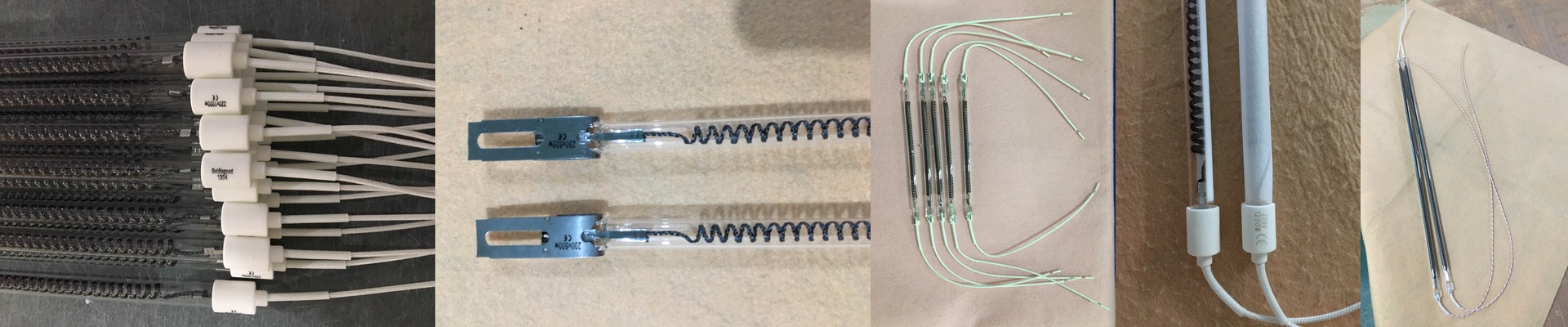
We build medium wave carbon fiber lamps for one reason: industrial heating that needs to snap into action. Fast response. Tight control. A footprint that fits. These aren’t your everyday bulbs. They’re purpose-built heating elements, born for repeatable thermal cycles in machines that can’t afford lag.
Power, Voltage, and Size—What Actually Matters
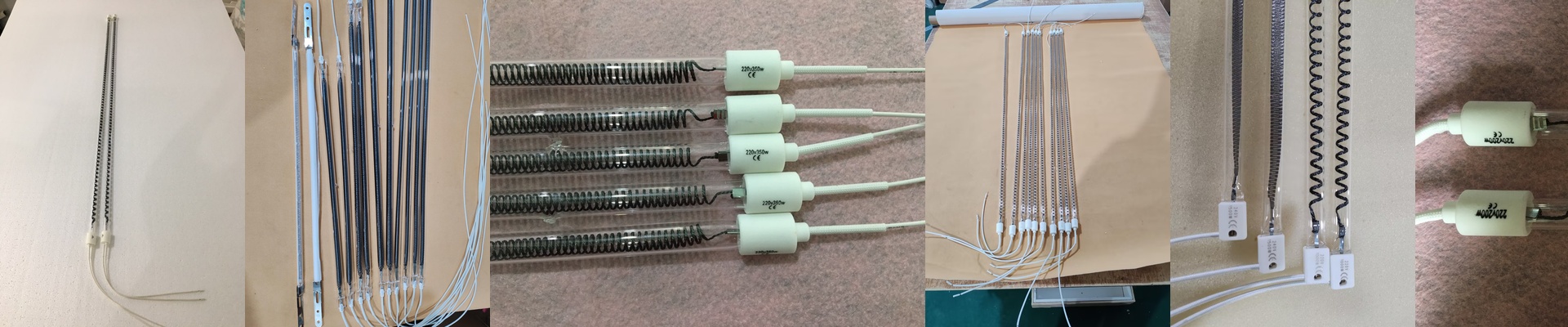
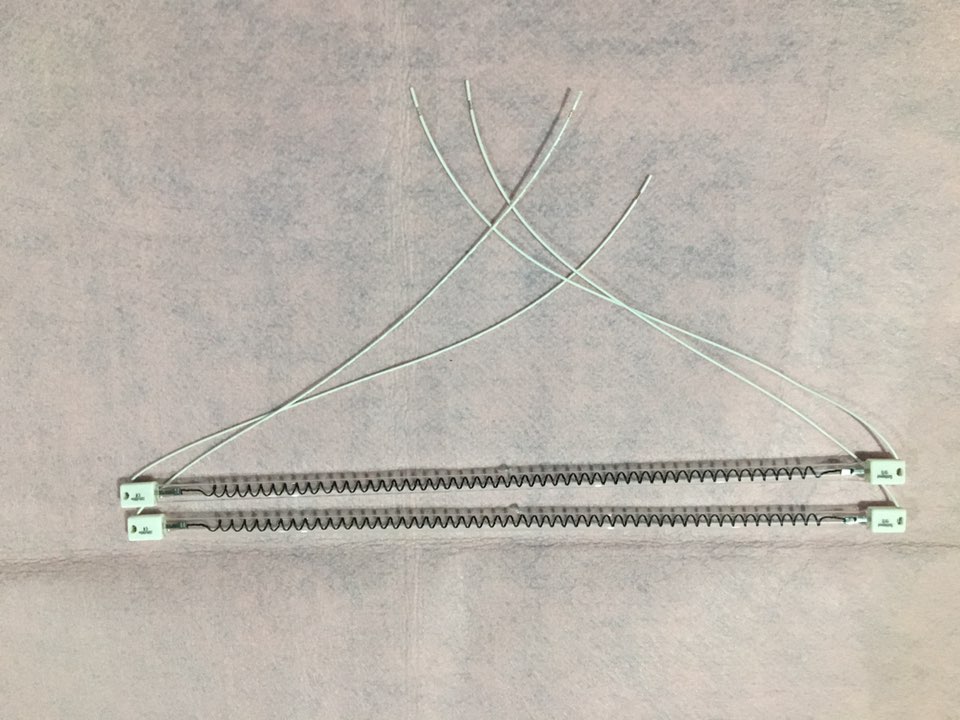
Medium wave carbon fiber lamps usually run between 1000W and 2500W, with common voltage choices around 230V or 400V. You match wattage and voltage to the heat density you need and the control gear you’re running. Higher wattage packed into a short tube gives you intense, focused output—but it also means your electrical setup has to be solid. Wire size, termination temperature ratings, and switch or contactor ratings all need to keep pace. The tube length is chosen to match the heated zone. A 300mm lamp, for example, concentrates energy into a narrow band. That’s perfect when you want a precise hot spot without turning the whole machine into a sauna. And the ramp-up? It’s quick. The filament has low mass, so the lamp hits operating temperature fast. Your cycle times stay tight, like they should.
Inside the Lamp: Quartz, Halogen, and a Reliable Base
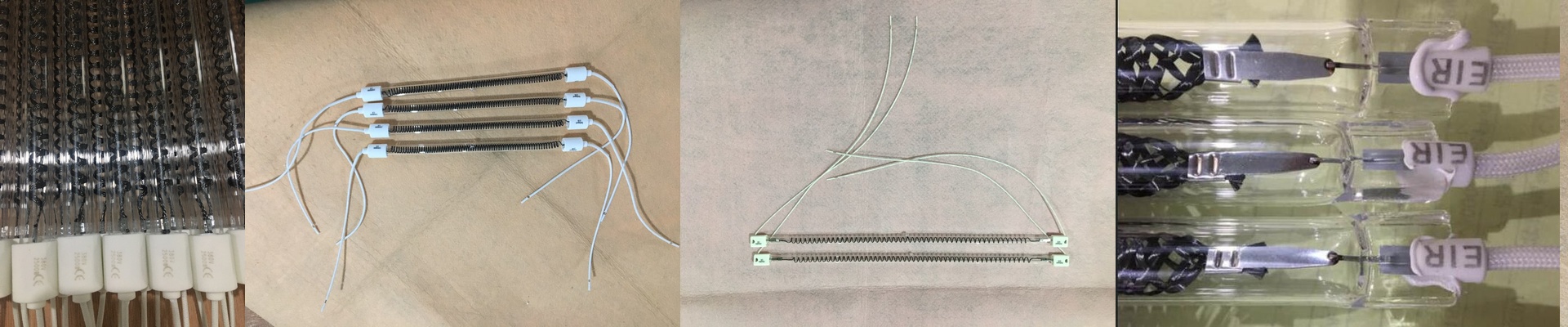
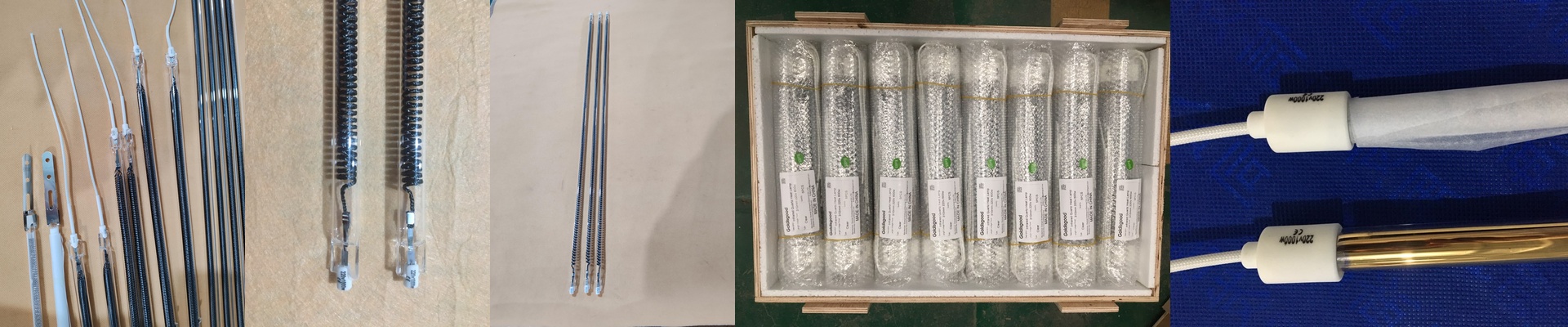
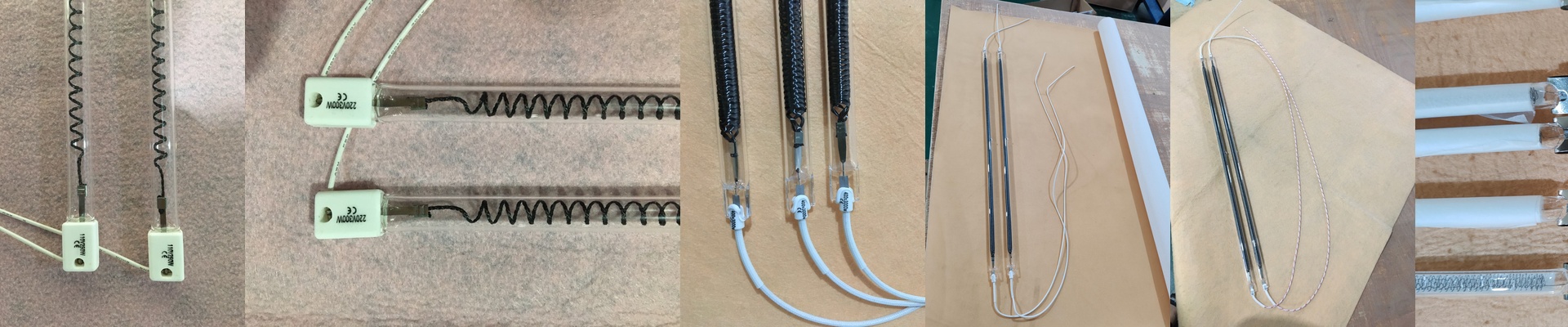
The carbon fiber filament sits inside a quartz envelope, often with a halogen fill gas. That fill gas supports the halogen cycle, which helps prevent the envelope from blackening and keeps output steady over the life of the lamp. What does that mean for you? Consistent infrared emission and predictable performance—exactly what you need when you’re dialing in a process. Many medium wave lamps use an R7s base. It’s a two-contact termination built for high current and repeated installations. Plus, it makes replacement a straightforward drop-in, so you don’t have to rework the line.
Where These Lamps Shine—And Why They Work
These lamps are common in plastic processing—PET blowing, thermoforming, welding—where infrared energy heats the material surface directly. The medium wave band penetrates well and heats quickly, giving you repeatable results without overheating nearby parts. The carbon fiber design is tough, too. It handles thermal shock better than many coiled wire elements, so it can take repeated on/off cycles without complaining. Here’s the trade-off: higher heat density means you need proper cooling and thermal shielding around the lamp. That keeps surrounding electronics and wiring within safe temperature limits. Plan for airflow and the right mounting spacing, and the lamp performs predictably and lasts longer. When you pick a medium wave carbon fiber lamp, match wattage, voltage, length, and base to the machine footprint and your control approach. That’s how you get reliable heating without making things more complicated than they need to be.