Getting a Handle on Carbon Fiber Heating Elements
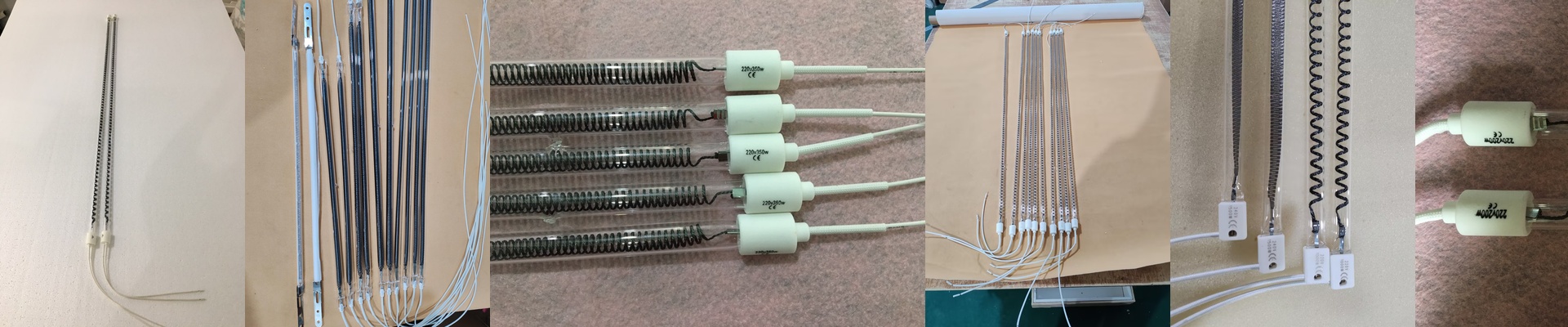
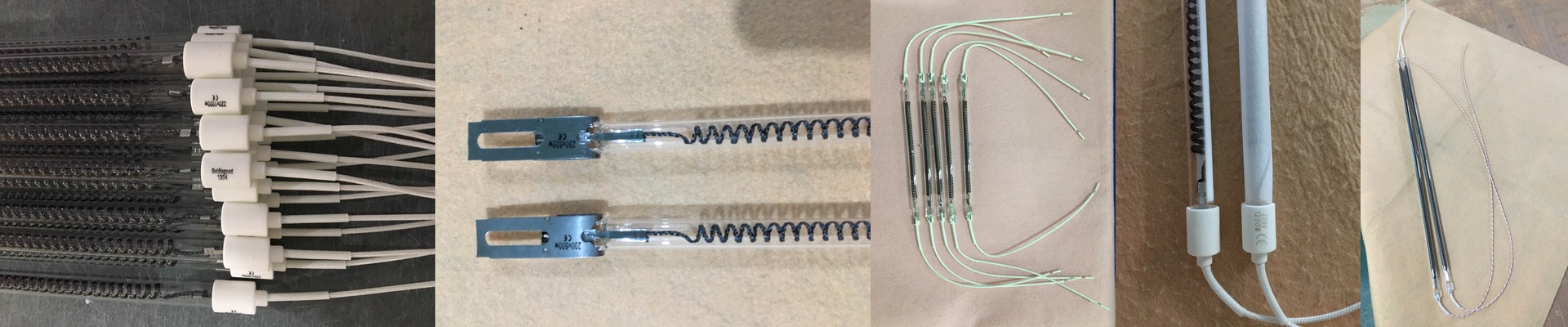
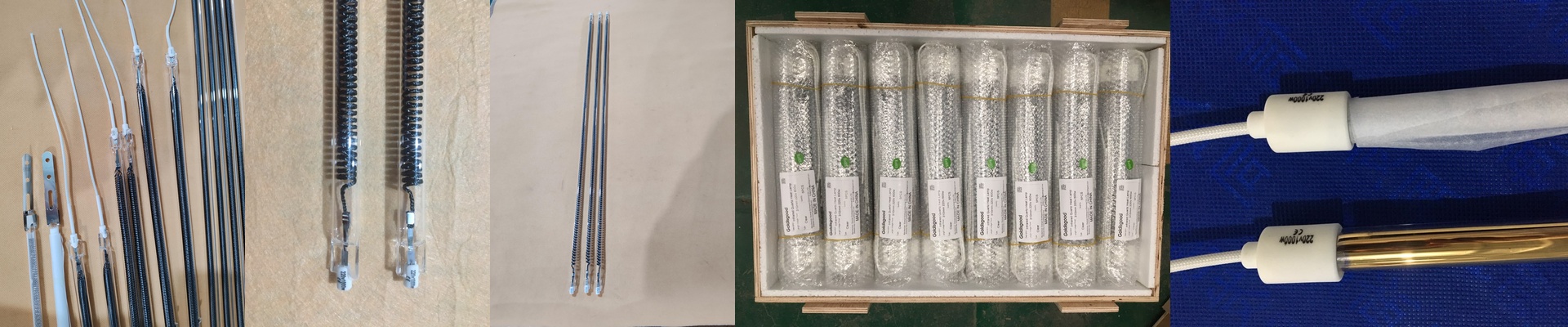
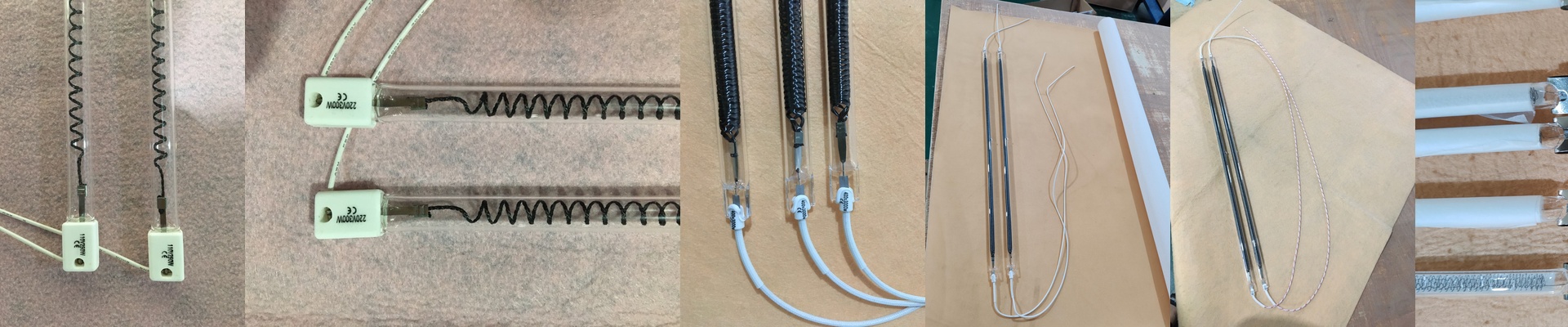
If you’re used to those old-school metal-wire lamps, carbon fiber IR emitters are a different beast. Instead of a tungsten filament, we use a carbon fiber weave. The big win here? It handles higher current densities and runs on lower voltages, all while keeping a broad emission spectrum. It just works more efficiently.
Heat and Power: The Real Talk
When we’re figuring out the specs for your build, we spend a lot of time talking about watt-density per linear inch. The beauty of carbon fiber is that the heat spreads out evenly across the tube. You don’t have to deal with those annoying “hot spots” you get with traditional coils. We can dial in the wattage to hit your specific ramp-up times. If you need heat now, we can go high-wattage. Just a heads-up: make sure your power supply can take that initial inrush current, or you’ll be tripping breakers all day.
Built to Last (Mostly)
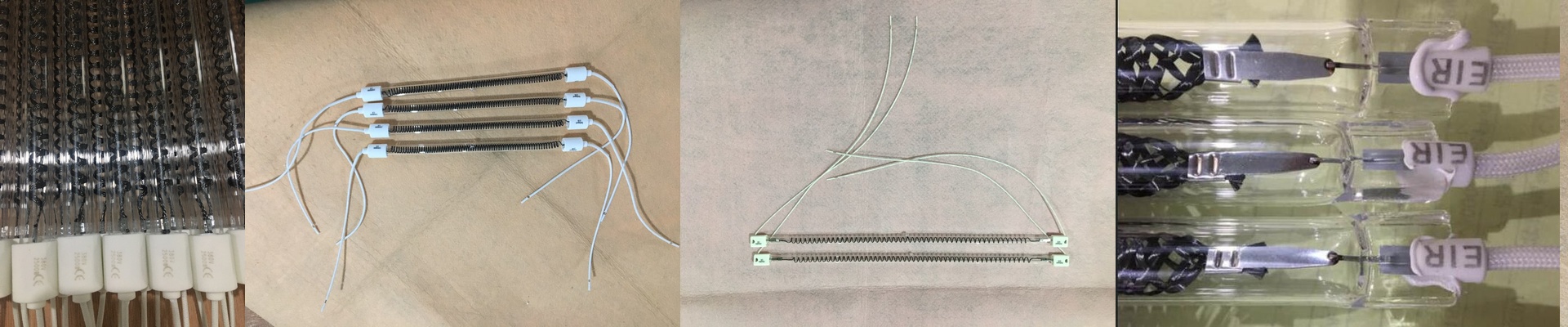
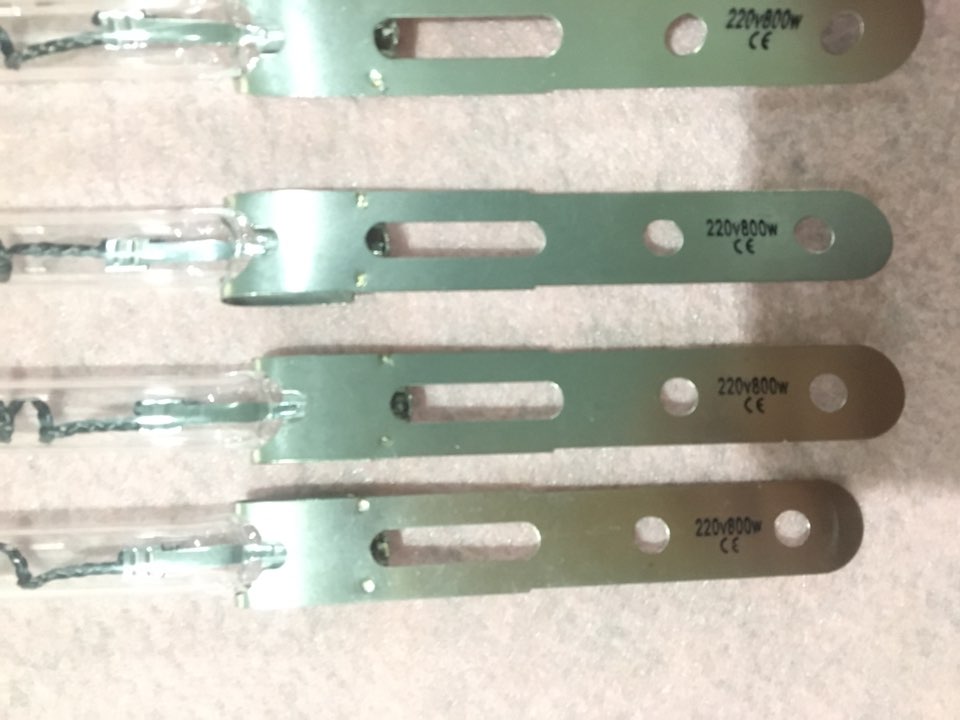
We wrap the carbon fiber in high-purity quartz glass to keep it from oxidizing. For the actual build, we can do a few different end-cap setups so your electrical connections stay rock solid. We know these things often live in high-vibration environments, so we put a lot of effort into the mechanical bond where the lead wires meet the weave. One tip: if your shop is dusty or dirty, throw a protective shield over the quartz. If gunk builds up on the glass, it can cause localized overheating, and nobody wants that.
The Trade-offs
These are great for drying, curing, or forming plastics. They react much faster than ceramic heaters. But here’s the catch. Carbon fiber is a bit more sensitive to physical shocks than metal. If your assembly process involves a lot of banging around or heavy impacts, you’ll want a reinforced housing. We usually design these as drop-in replacements for your existing IR arrays. It makes the retrofit a lot less painful and keeps your downtime to a minimum.