Technical Deep-Dive: Power, Voltage, and Dimensions
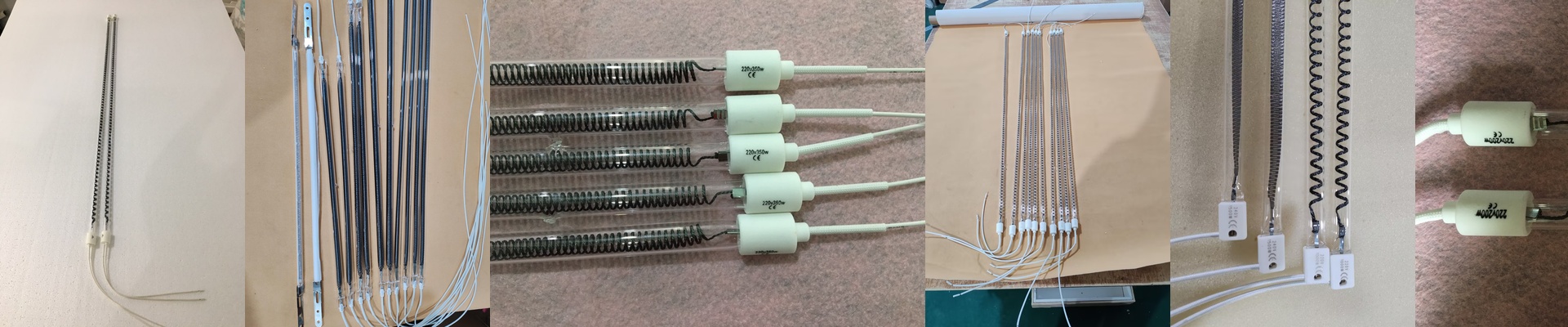
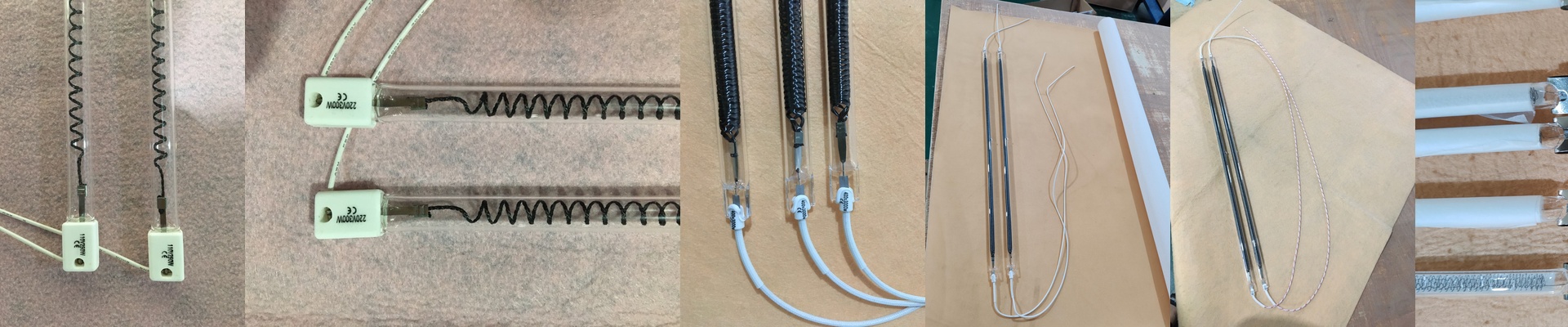
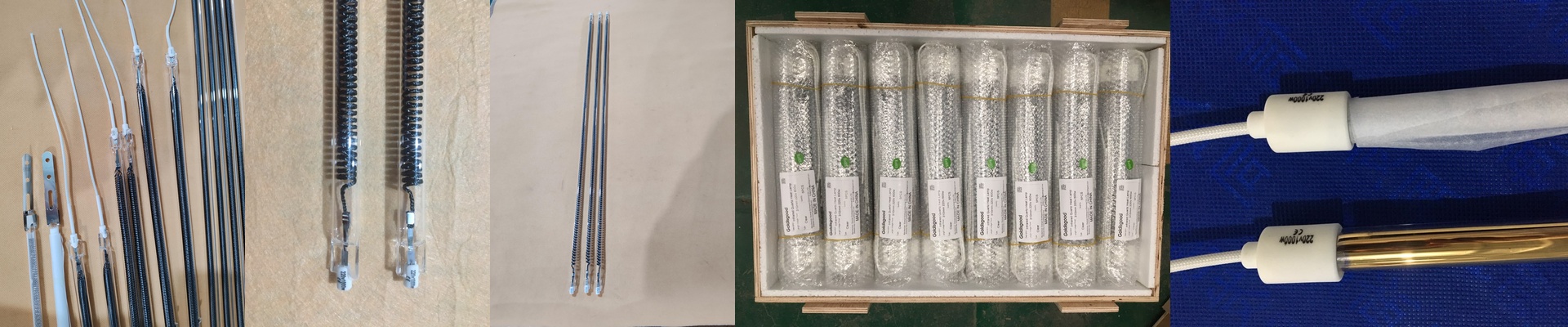
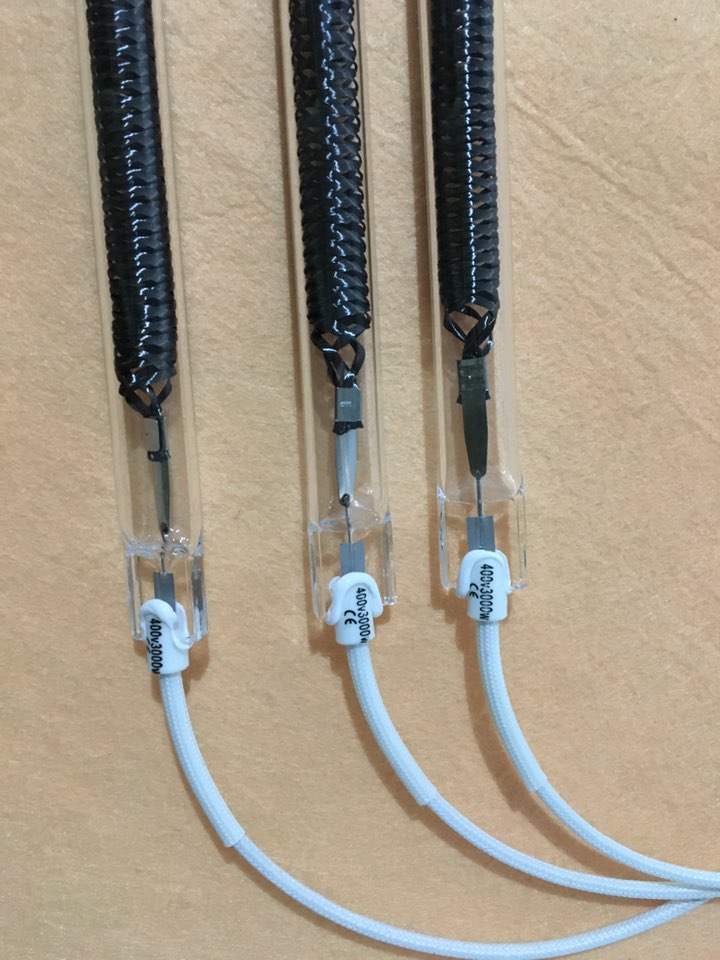
We build these heaters to do one thing: hit a very specific thermal target. So the specs aren’t up for debate. For industrial setups, we lean on a 400V high-voltage design. It drops the line current, which means you can use smaller cables and don’t have to worry about voltage dipping over distance. Wattage runs from 1000W to 2500W, sized exactly to the load. And the 300mm length? That’s all about squeezing serious heat into tight corners, so you get high heat density without tearing up your machine layout.
Material & Design: Halogen, Quartz, and Connectors
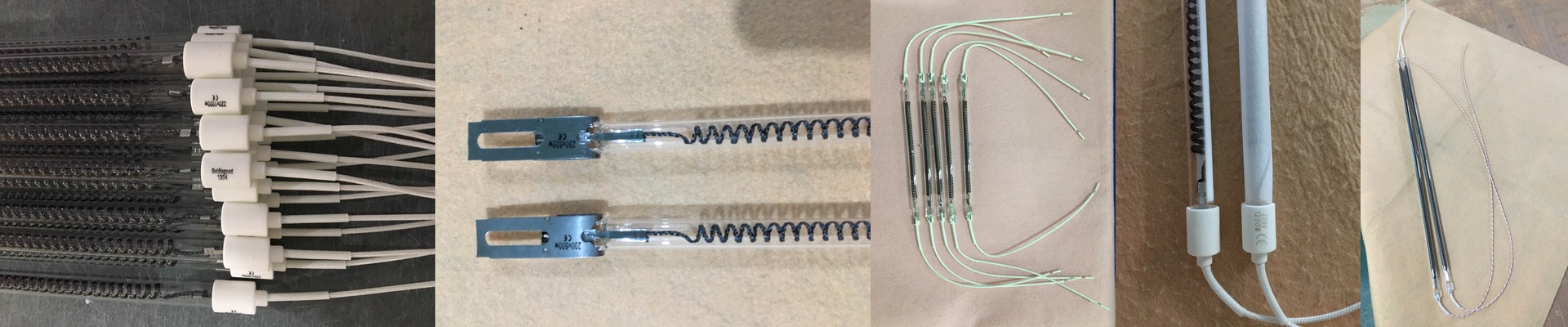
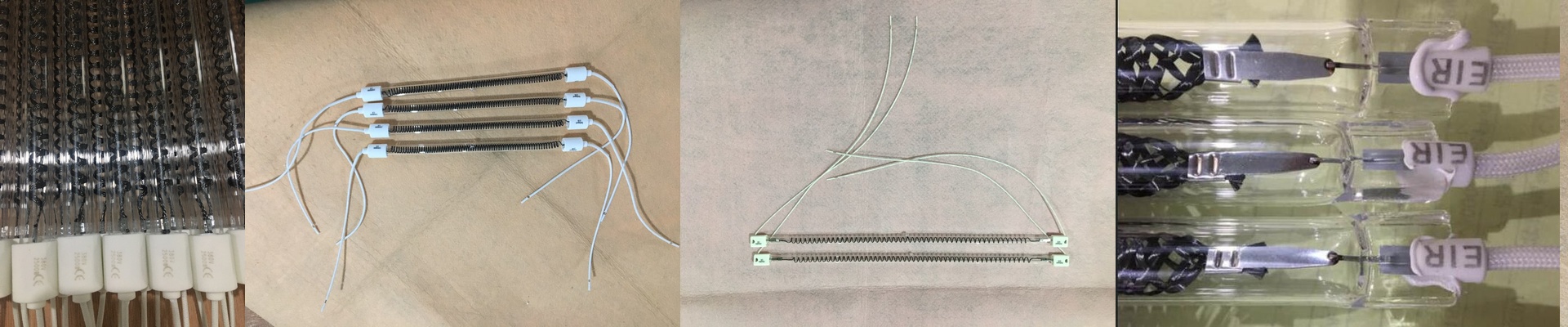
What really sets these apart is the emitter material. Quartz halogen heaters throw focused shortwave radiation, so they hit target temps almost instantly. Carbon elements, on the other hand, give you a broader, medium-wave output that soaks into materials more evenly. The quartz tube itself is coated or doped to control the spectrum and handle sudden thermal shocks. And the R7s connector? It’s the standard for these linear tubes. It takes the heat at the ends and turns maintenance into a simple plug-and-play job.
Application & Benefits: Efficiency on the Line
When you’re running PET blowing or plastic welding, seconds count. The quartz heater hits the setpoint in seconds, keeping cycle times tight. Carbon heaters bring a more even heat profile, so you don’t scorch sensitive films. Both are built to take a beating on the factory floor—but you’ve got to match the chemistry to the process. A 400V 2500W tube throws a lot of heat. Just make sure your machine’s cooling system is up to the job, because the ambient temperature is going to climb.