Stop the Drift: Keeping Your Brake Pad Curing Steady
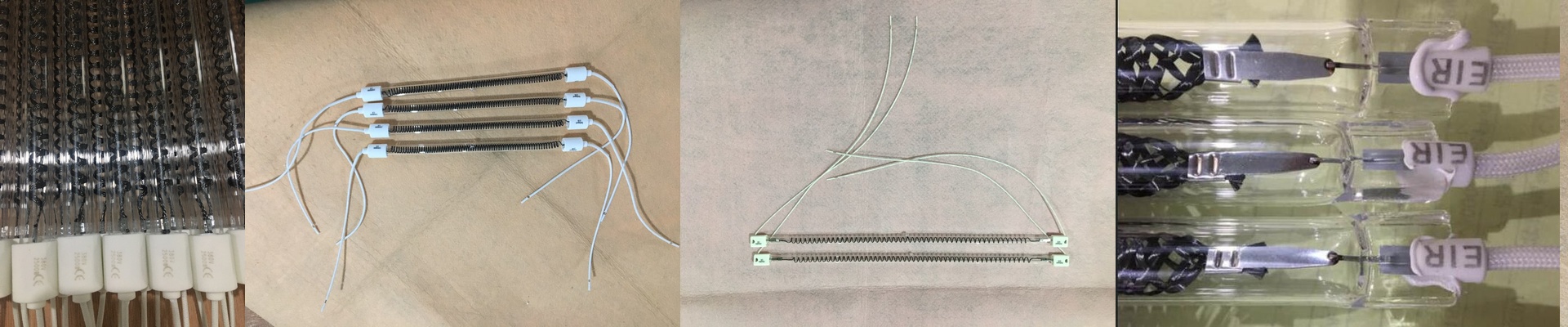
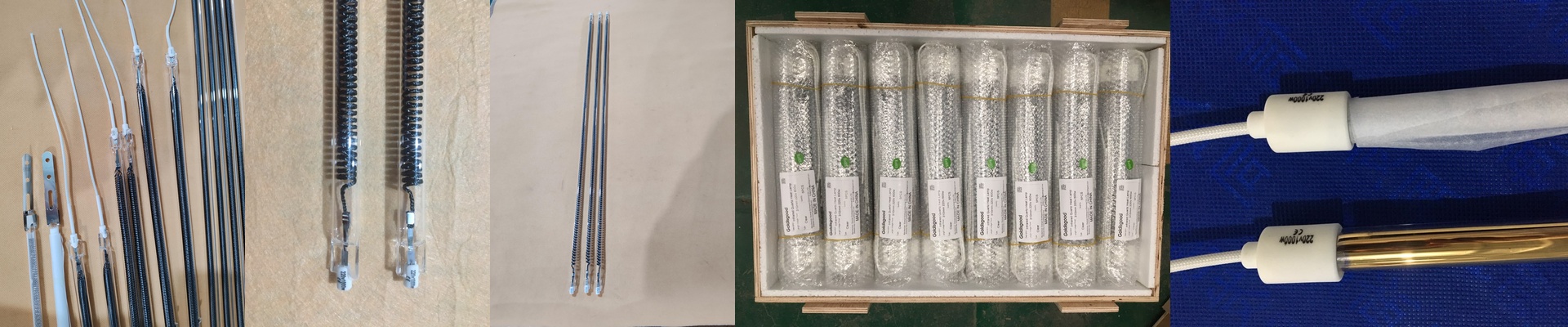
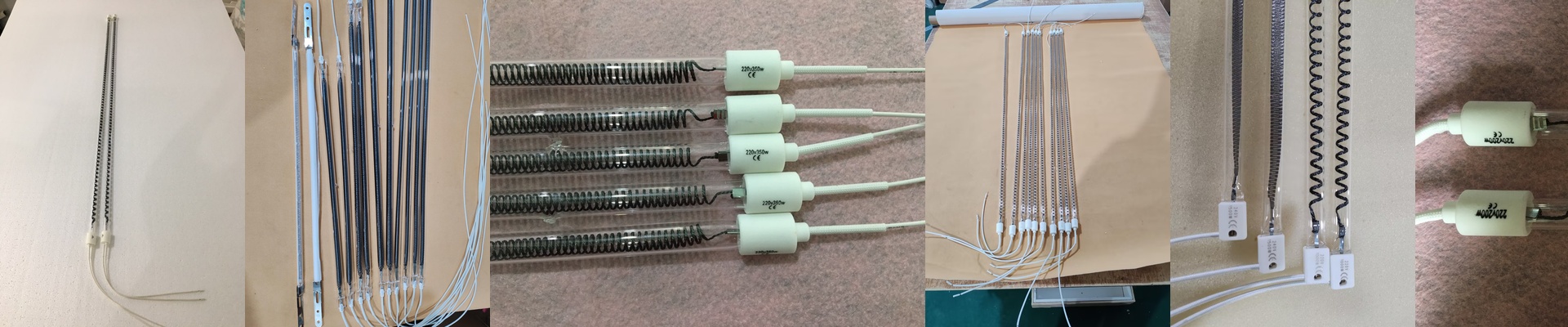
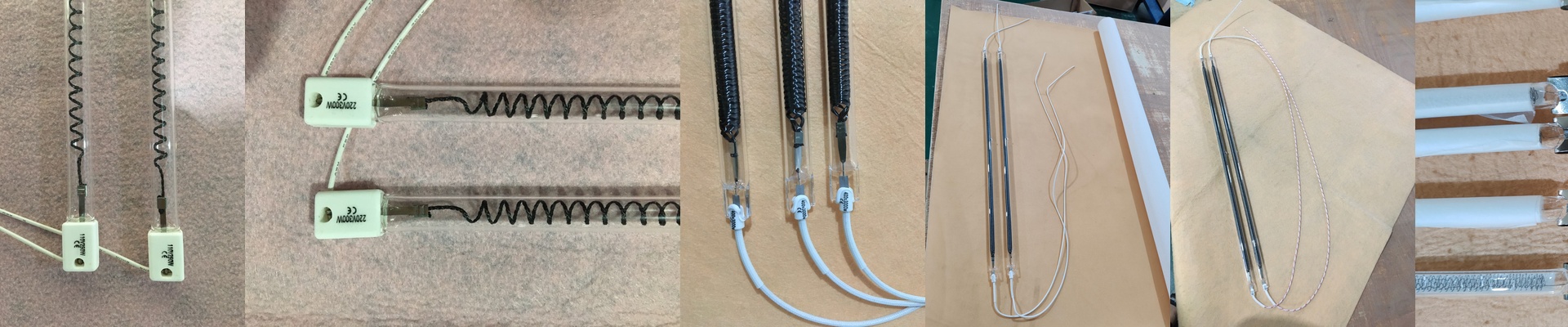
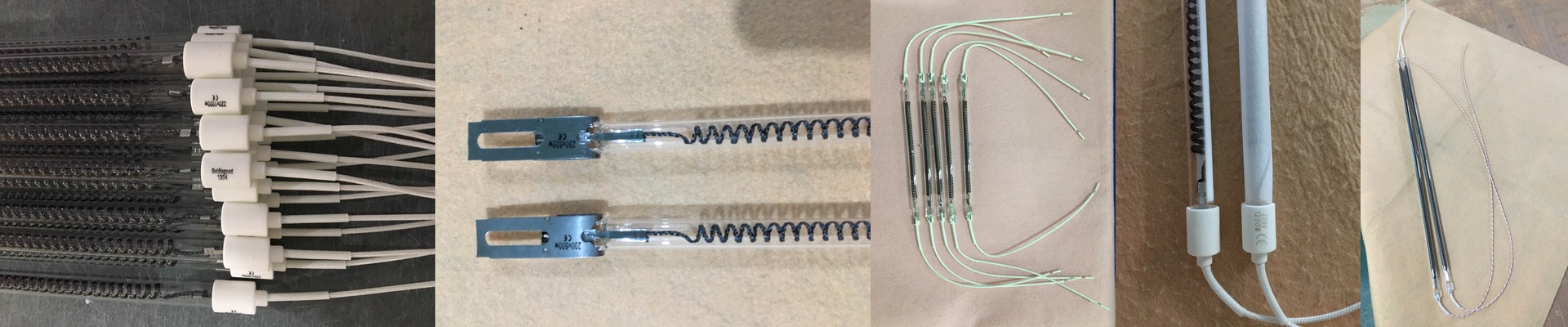
If you’re running a curing module 24/7, you know the nightmare of thermal drift. One little dip in infrared output and suddenly your resin isn’t polymerizing right. That leads to inconsistent friction levels, a mountain of failed QC batches, and a lot of wasted time. We build our IR modules specifically to kill those fluctuations. Keeping the power steady It all comes down to the quartz tube. When you’re in a continuous cycle, that filament temperature has to stay locked in. We use high-grade quartz glass because it doesn’t bow under extreme heat. That’s a big deal. If the tube warps, your focal point shifts, and you end up with cold spots on your brake pads. Not ideal. We also use precision-wound filaments. Why? Because we don’t want the resistance to spike as the lamp gets older. It keeps the wattage steady, giving you a flat power curve from the first hour all the way to hour five thousand. Built for the shop floor, not a living room You won’t find any consumer-grade connectors here. We use heavy-duty terminals that can handle the constant expanding and contracting of heat without oxidizing or shaking loose. Plus, they’re designed for the real world—where the conveyor system is vibrating everything in the room. Then there are the reflectors. We polish them down to a specific micron level to shove every single watt of short-wave radiation straight into the coating. Short-wave IR hits the resin faster than long-wave, which means you can actually shorten your tunnel length. The catch: Dealing with the heat Here’s the thing: high-density IR output creates a ton of ambient heat. While the lamp itself stays stable, the housing is going to take a beating. You’ve got to make sure your cooling fans and vents are actually up to the task. If the housing overheats, your wiring insulation is going to fry. Simple as that. Good airflow is the only way to keep your electronics from burning out during a triple-shift run.