Stop the Squeal: Why Your Brake Pads Need Infrared
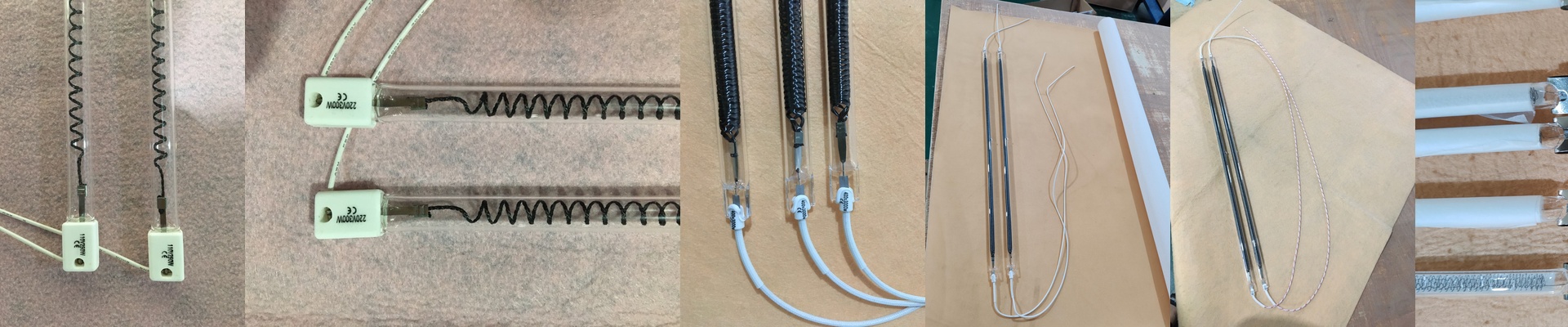
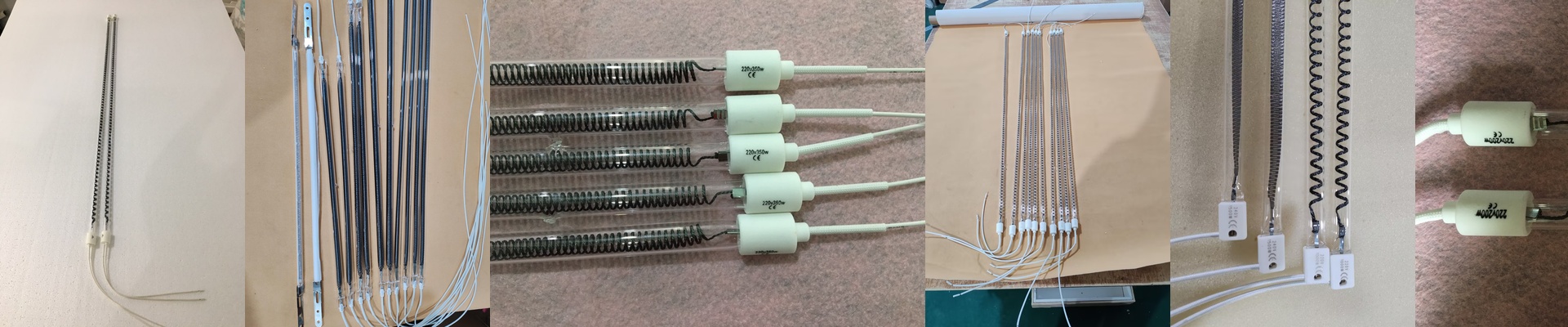
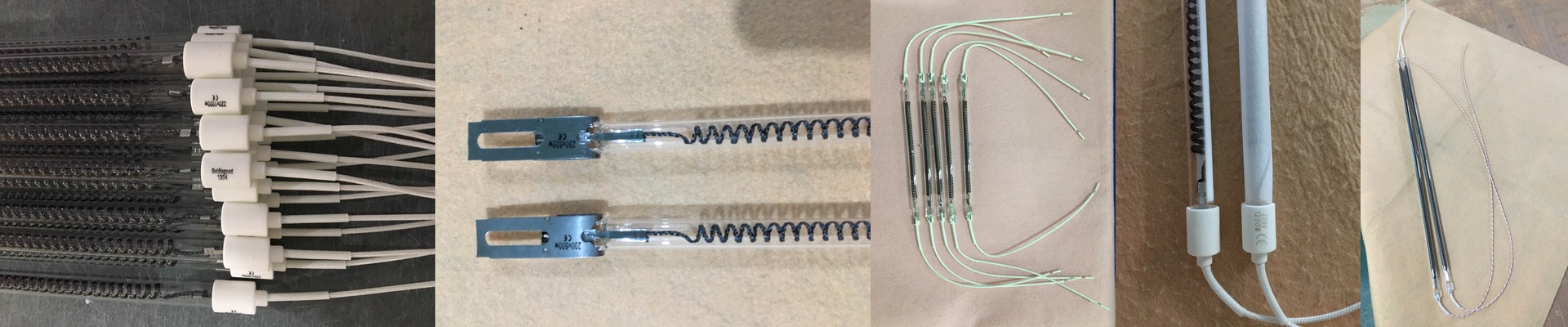
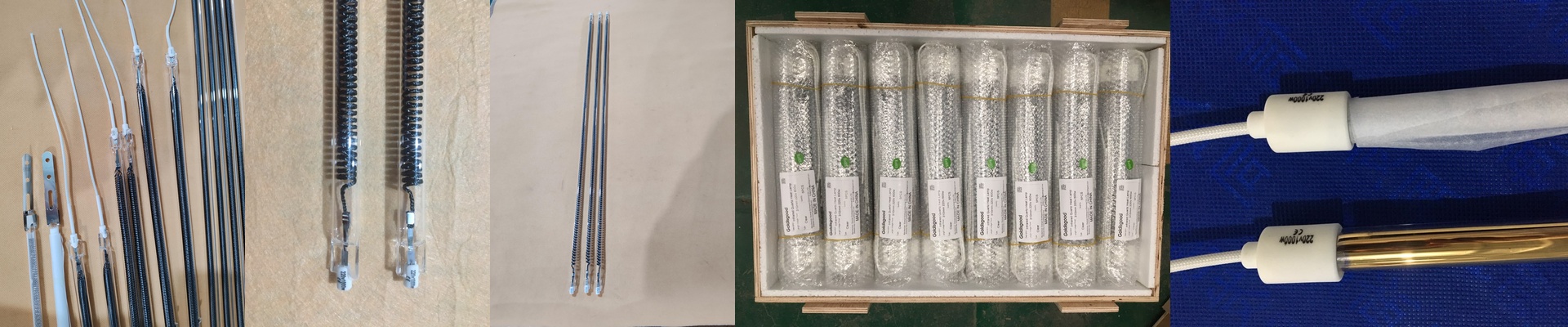
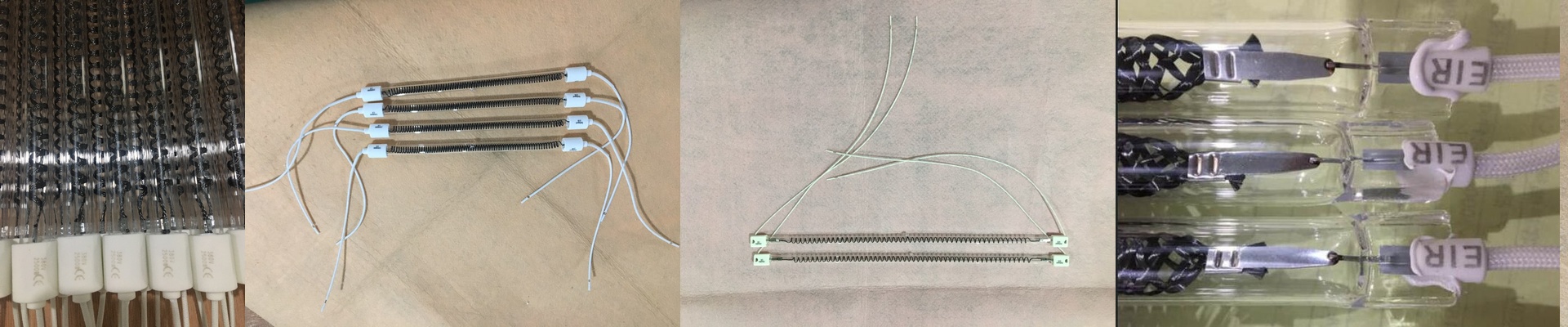
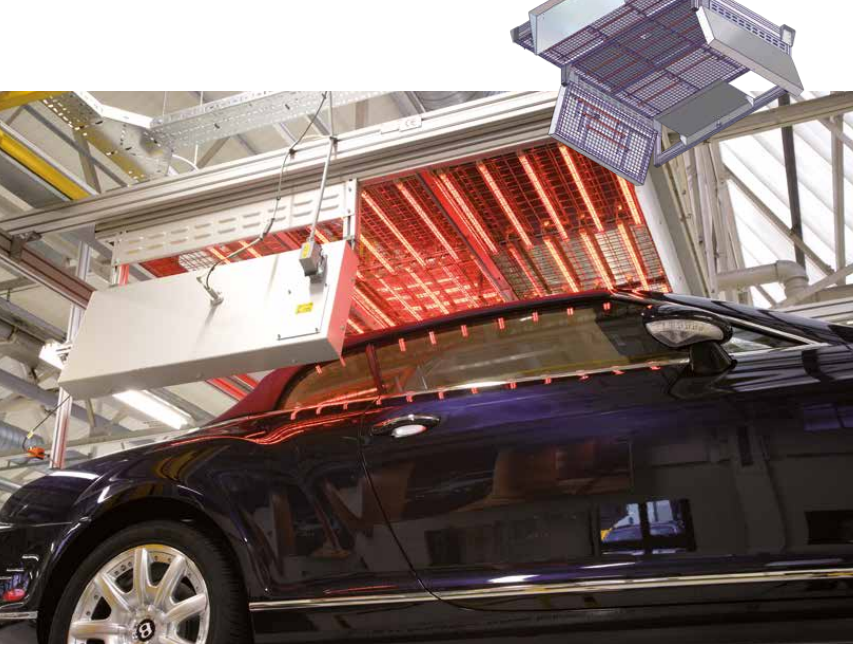
Ever wonder why some brake pads just won’t stop that annoying squeal? Usually, it’s because of how they were baked. If the outside of the pad cures faster than the center, you end up with internal stress and weird density gaps. When you hit the brakes, those inconsistencies cause vibrations. That’s the noise you hear. We found a better way to handle this. Instead of using those old-school convection ovens, we switched to shortwave infrared (SWIR) emitters. Getting deep into the material Think of a standard oven like a hair dryer; it just warms the surface. Shortwave IR is different. It hits a wavelength that actually sinks deep into the phenolic resins and metallic fibers. The energy goes straight into the molecules, sparking a reaction from the inside out. We use high-power density emitters so the core gets hot enough to cure properly without accidentally burning the surface. The gear and the trade-offs To make this work, we use quartz-halogen tubes. They pack a massive amount of heat into a tiny space. You can set them up in banks to make sure every single pad on the conveyor gets the same treatment. Now, there’s a catch. These high-wattage lamps pull a lot of power. Your electrical panel needs to be up for the task. Plus, you can’t skimp on the cooling fans. If the housing gets too hot, the quartz can crack, and that’s a headache nobody wants. What this actually does for you When the cure is uniform, the noise goes away. You get a stable, predictable grip across the whole pad. It’s also way faster. You aren’t waiting around for a slow-bake cycle to finish. If you’re currently fighting “cold spots” in the middle of your batches with an old system, this is a pretty easy swap that just works.