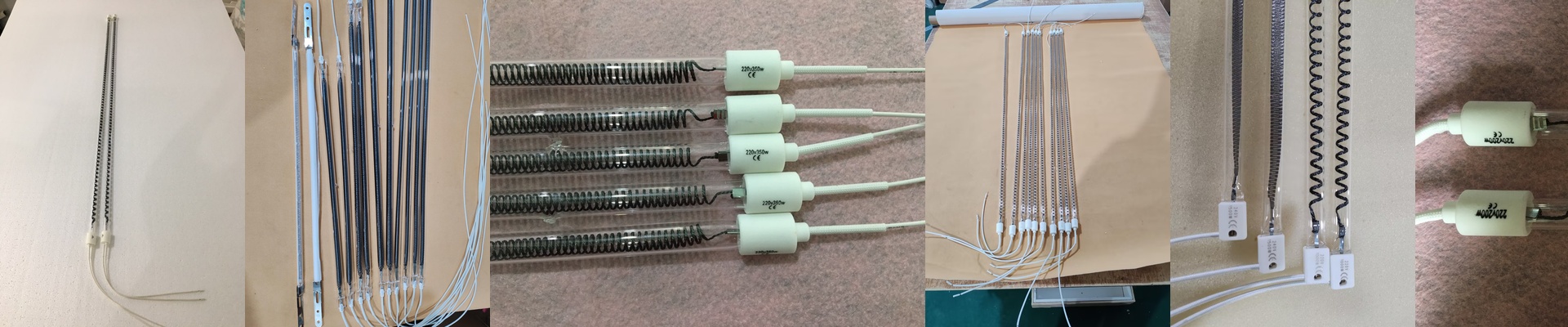
Let’s Talk Carbon Fiber Infrared Lamps
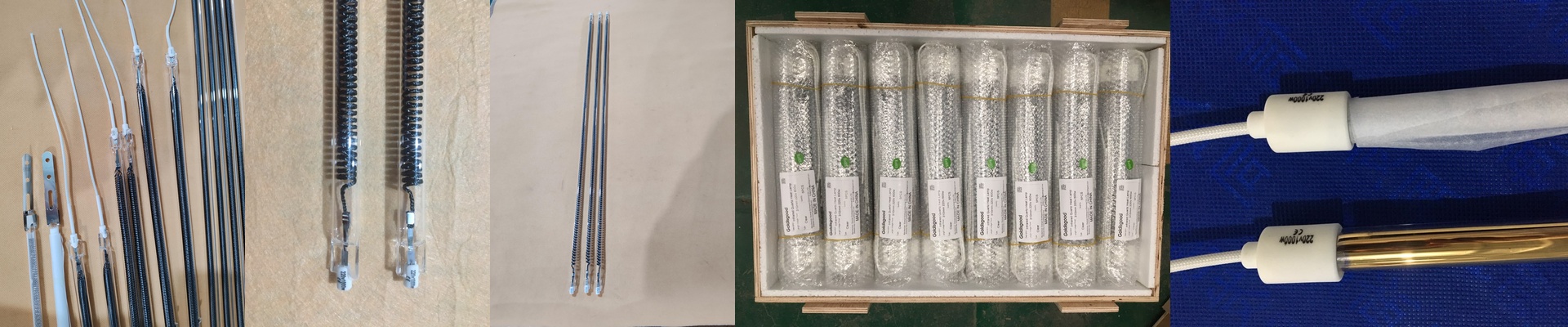
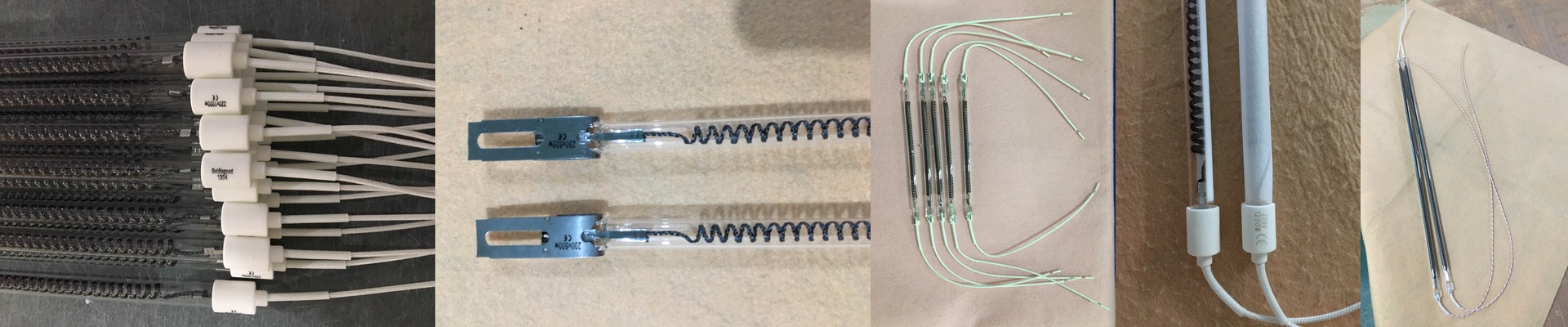
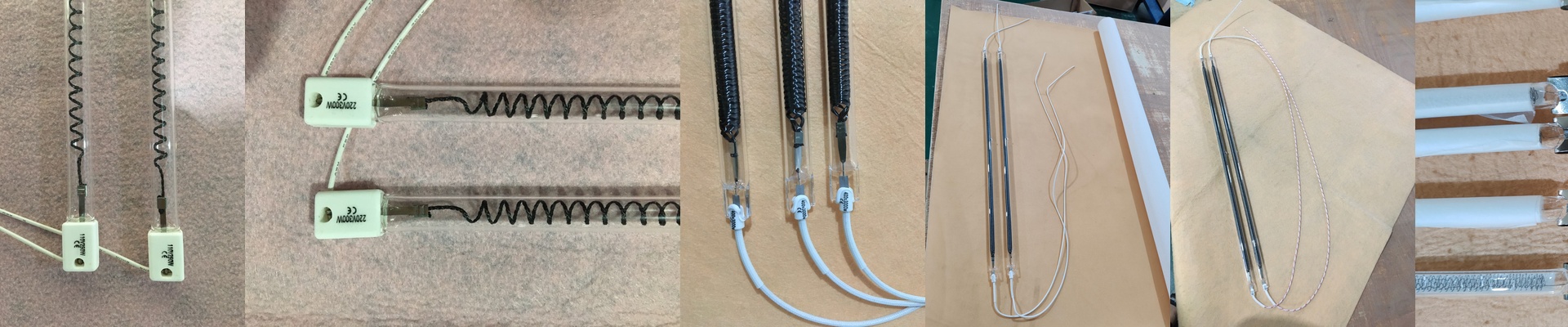
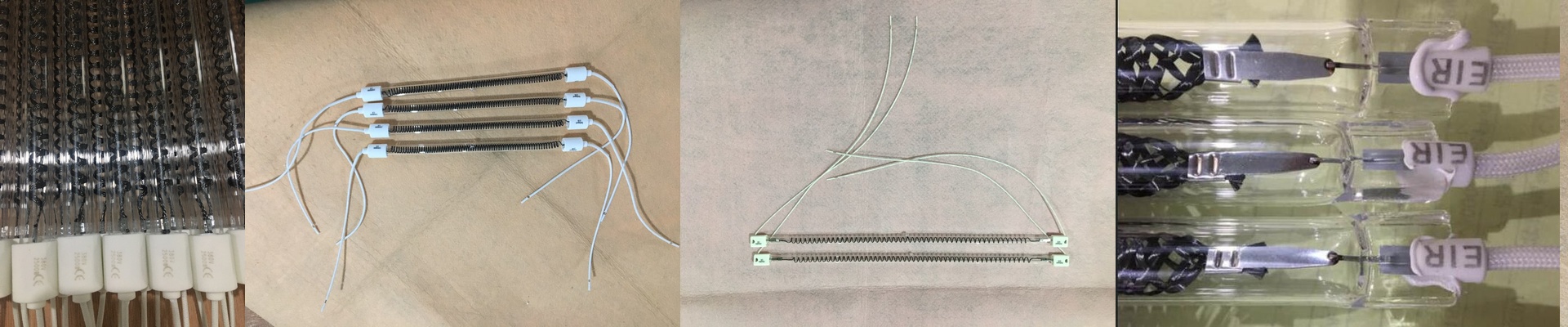
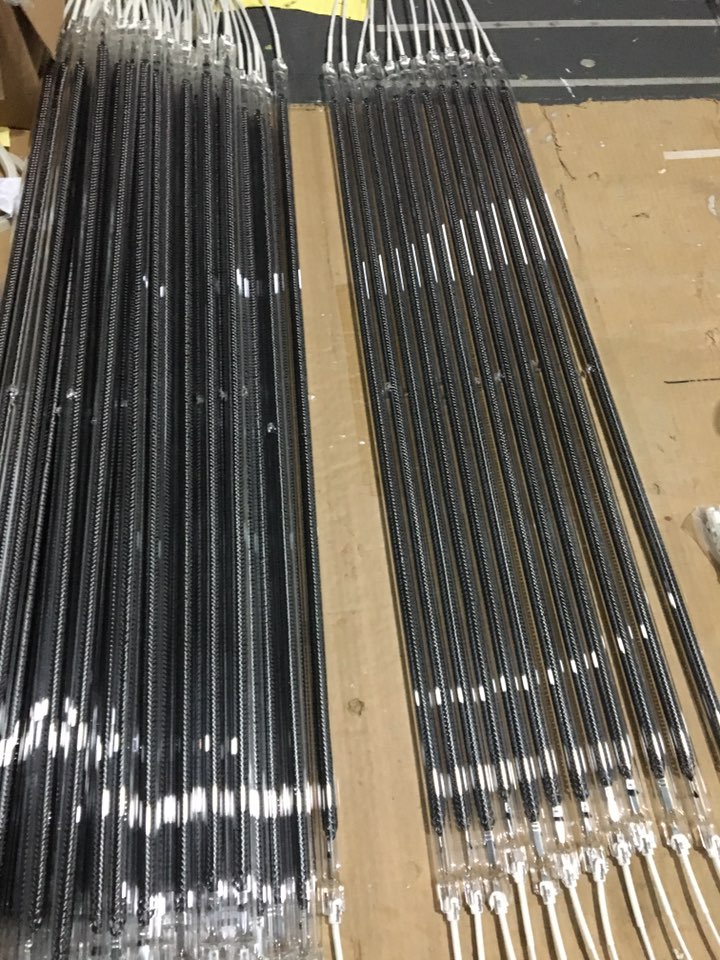
Ever used those old-school metal alloy coils? You know the drill—you turn them on and then you wait. And wait. For the housing to actually get hot. Carbon fiber lamps are a different beast. We use a carbon filament tucked inside a quartz tube, and the result is basically instant heat. You don’t waste time warming up the equipment; the heat just hits your workpiece immediately. It’s fast. Really fast. The Nitty-Gritty on Power When you’re picking your wattage, remember that you’re basically deciding how much heat you’re packing into every inch of that tube. If you go with a higher voltage, you can get away with thinner wiring across your heating bank because the current draw stays lower. But here’s the catch: if you cram too much wattage into a tiny space, you’re putting a lot of stress on that quartz glass. If your cooling fans aren’t keeping up with the heat rise, those seals are going to blow way sooner than they should. What’s Under the Hood? We use quartz glass because it can take the heat and lets the infrared radiation pass right through without a fight. And those carbon filaments? They’re great because they don’t sag when things get scorching. For the plugs, we usually stick with R7s or Sk15 connectors. They just work. You can drop them into most industrial ovens, they fit tight, and you won’t have to worry about electrical arcing when you’re under a heavy load. Plus, some of our lamps have a special coating. It tweaks the emission spectrum so the heat actually sinks deeper into your plastics or coatings rather than just hitting the surface. Putting Them to Work You’ll see these things all over the place—PET blowing machines, paint curing lines, you name it. The whole point is to get targeted heat, and fast. Since these lamps react the second you cycle the power, you can keep your temperatures exactly where you want them. Just one piece of advice: keep your power supply steady. Voltage spikes are the fastest way to kill a carbon filament. Hook it up to a dedicated controller, and your lamps will last a whole lot longer.