Getting the Most Out of Carbon Fiber IR Heat Tubes
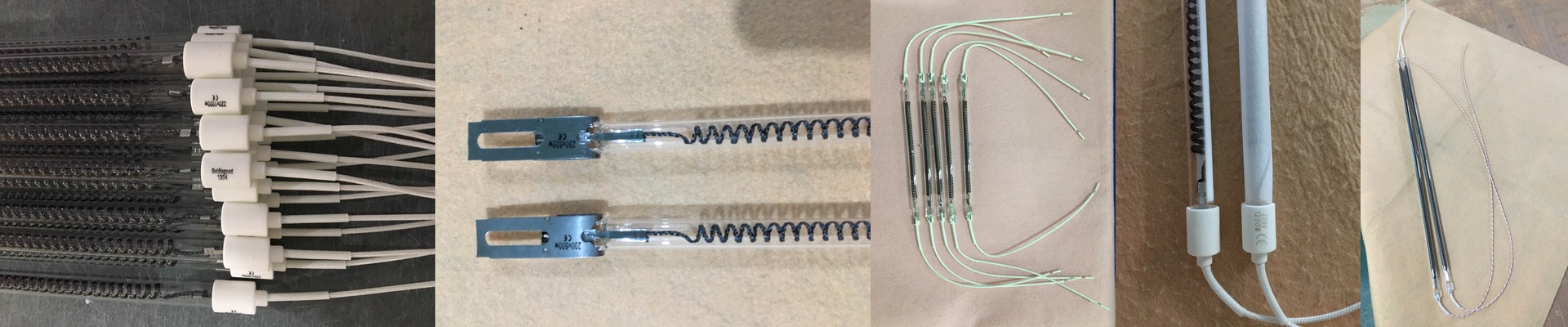
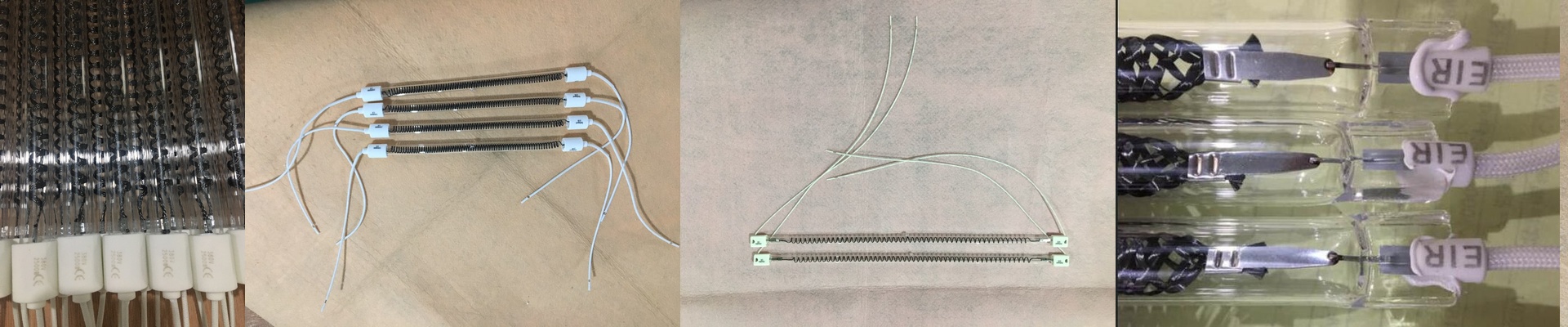
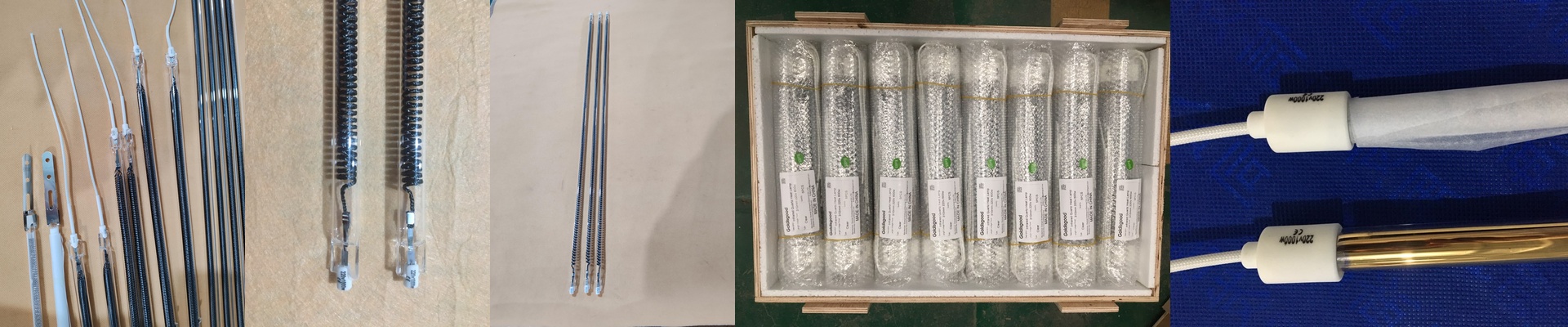
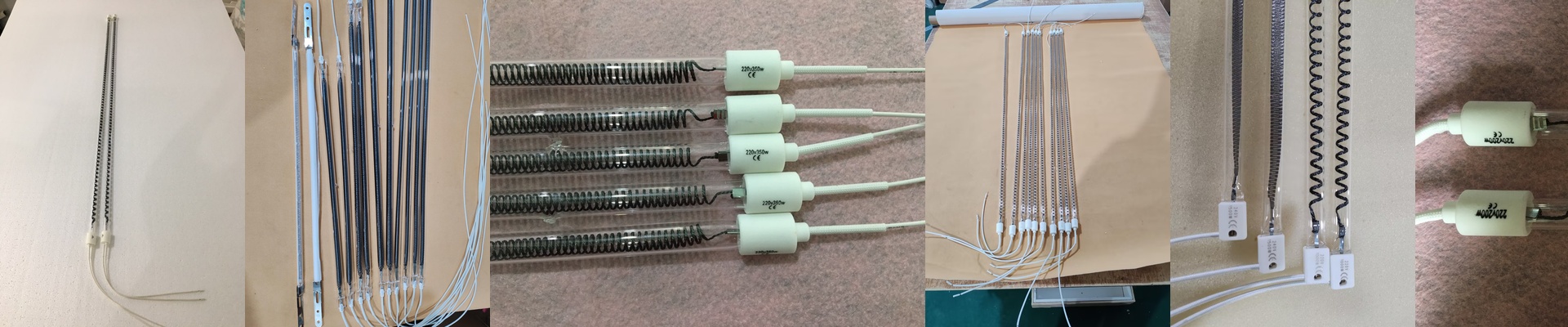
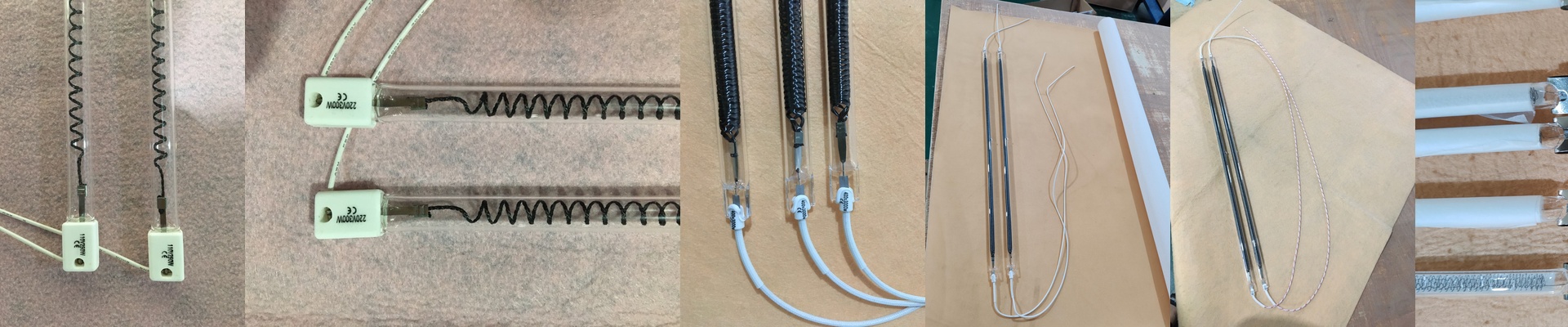
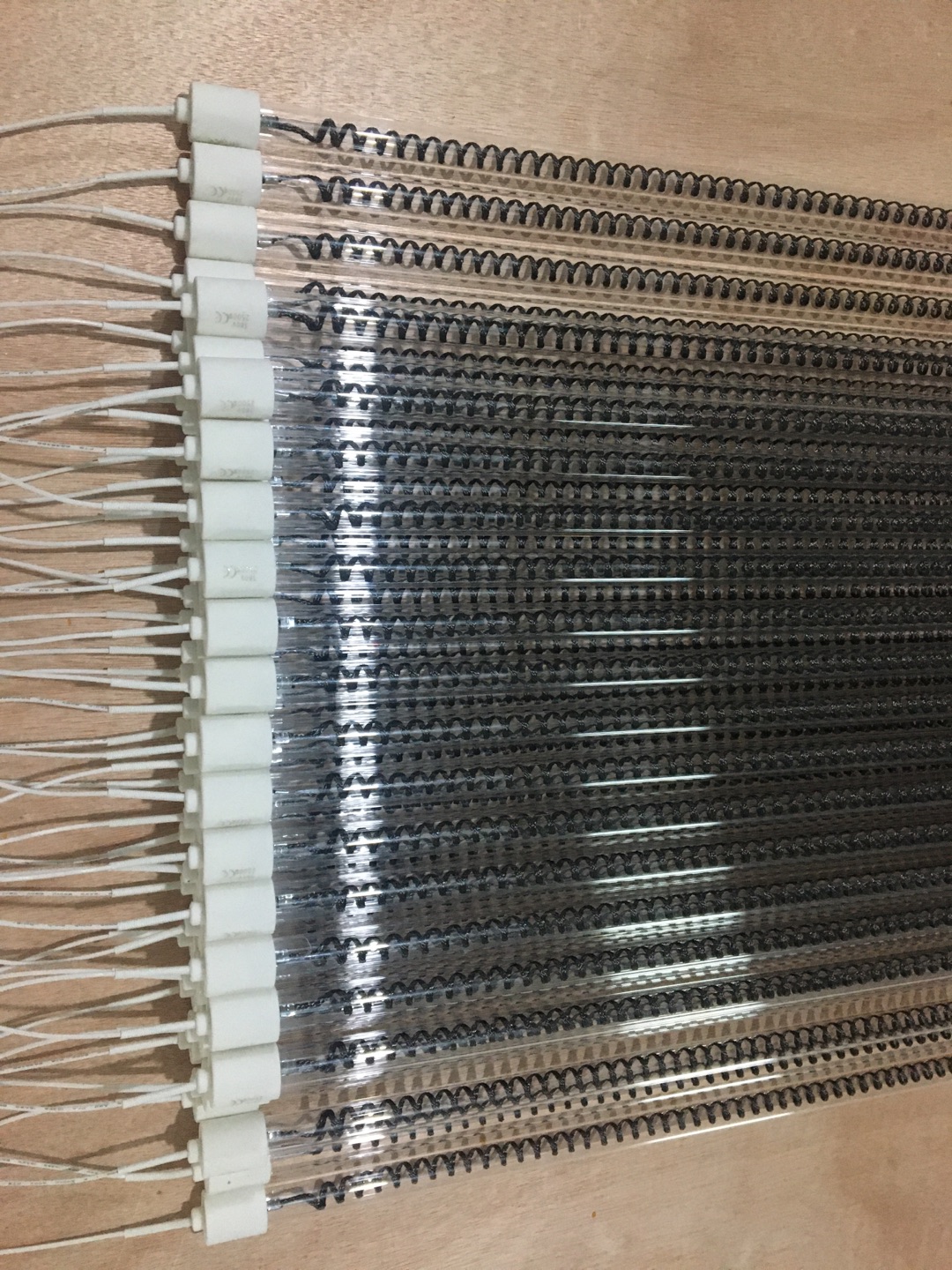
If you’ve used standard halogen tubes, you know the drill. But switching to carbon fiber is a different story. Instead of tungsten, we use a carbon filament. Why? Because it hits the heat faster and lets the energy soak deep into your materials without just scorching the surface. Let’s talk power for a second. We figure out the specs based on how much heat flux you actually need. Sure, cranking up the wattage gets you to your target temperature in a blink, but it puts a lot of stress on your power supply. Here’s a pro tip: if you’re running a 400V system, your current draw is lower than it would be at 230V for the same amount of heat. That means you can use thinner wiring. Just a heads-up, though—make sure your controllers can handle that initial “cold-start” spike. Nobody likes blowing fuses on a Monday morning. What are these things actually made of? We wrap that carbon filament in high-purity quartz glass. Sometimes we add a coating to the outside—either to tweak the light spectrum or just to keep chemical splashes from ruining the tube. For the ends, we stick with R7s or Sk15 connectors. They’re basically drop-in replacements for most industrial ovens. They fit tight, which is exactly what you want. If the connection is loose, the terminals overheat, and you’re looking at a burnout mid-production. Putting them to work. You’ll mostly see these in plastic welding lines or PET blowing. The cool thing about the carbon fiber core is how the heat spreads. It’s uniform. You don’t get those annoying “hot spots” that end up ruining your parts. But, there’s a catch. These tubes are fast, but they’re a bit more fragile than those chunky metal-sheathed heaters. If your machinery vibrates a lot, you’ve got to use dampened mounts. If you don’t, the quartz will eventually just crack. And don’t forget your cooling fans. Position them to protect your wiring and connectors. The heat at the ends of the tube is intense, and if you aren’t careful, it’ll eat through your insulation over time.