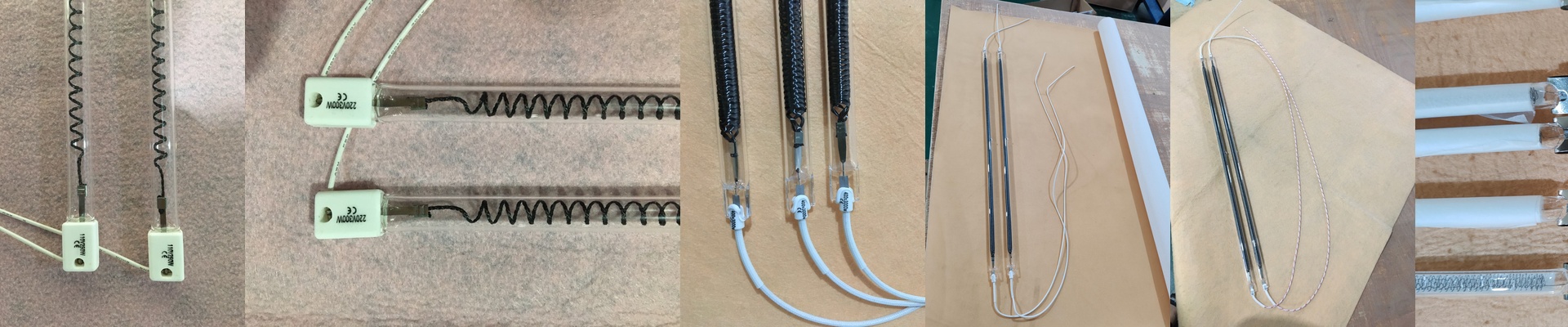
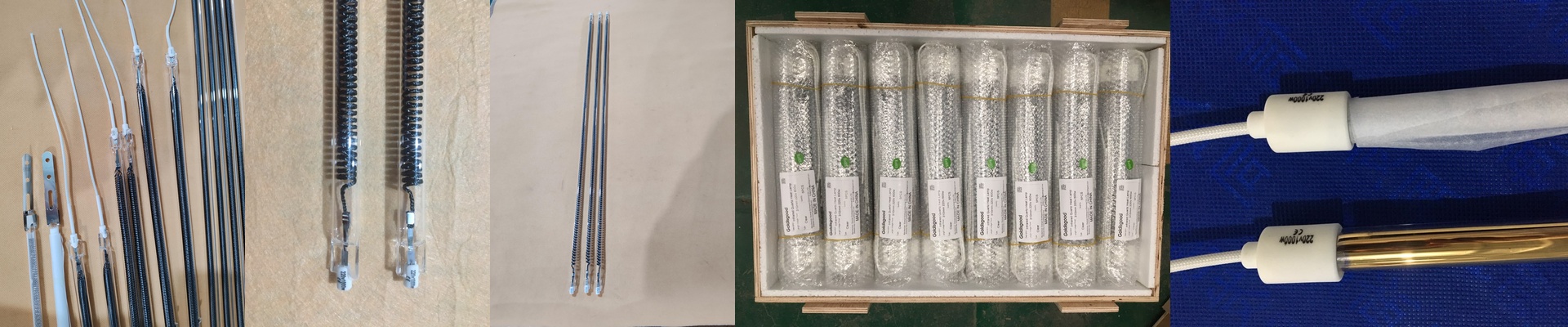
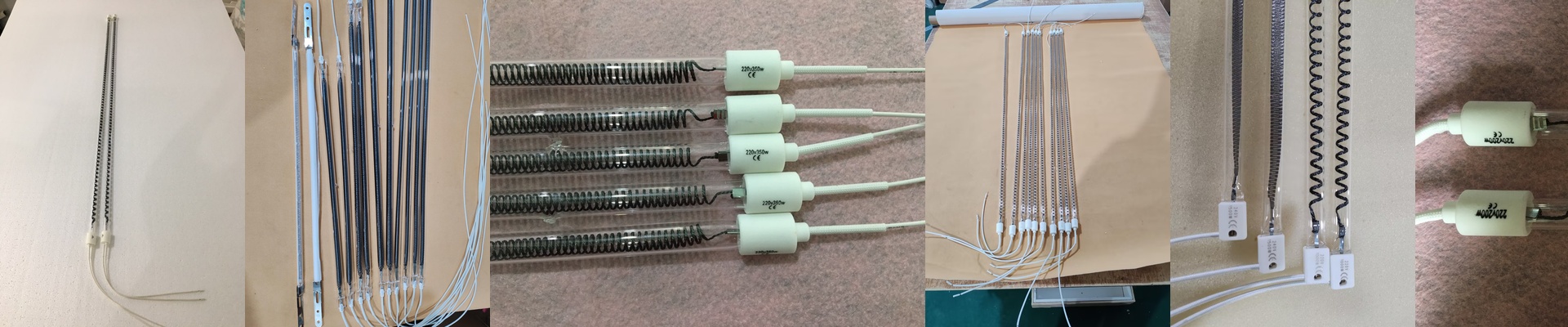
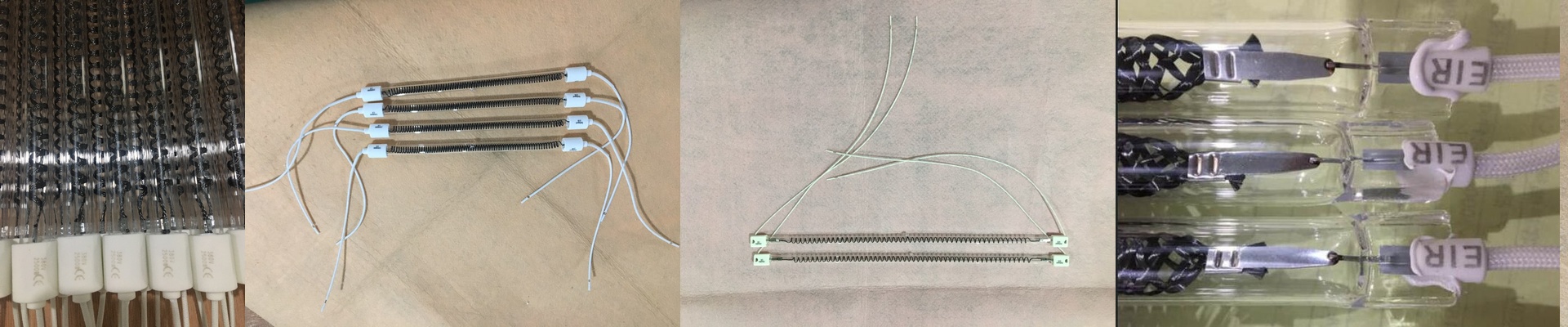
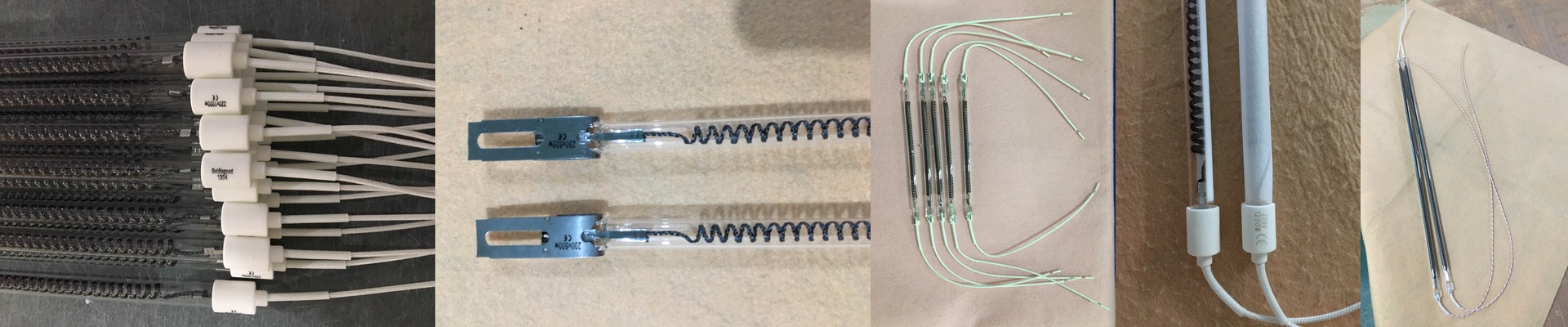
Let’s Talk About the 900W R7S Carbon Fiber Heating Element
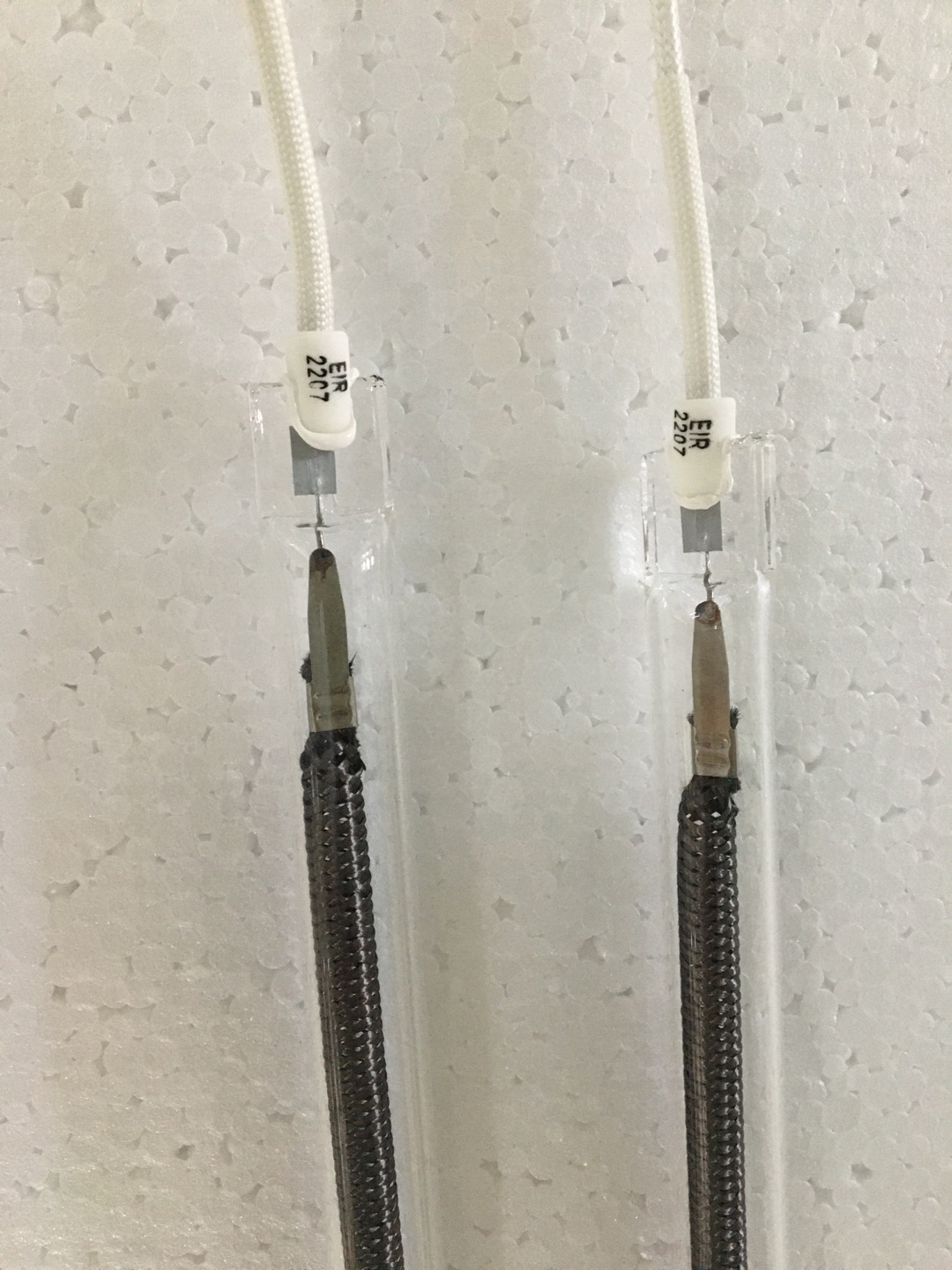
If you’ve spent any time with standard halogen tubes, you know the drill. They’re fine, but they rely on tungsten. We did things a bit differently with these 900W lamps. We swapped the metal for a carbon-fiber element wrapped in quartz. Why? Because it changes the way the heat actually hits your materials. Instead of just hitting the surface, this medium-to-long wave infrared actually sinks in. It penetrates.
The Deal with the R7S Fit
Putting 900W of power into an R7S footprint creates a serious heat zone. It’s intense. We stuck with the R7S base because it’s a simple push-in connector. It makes life easier—when a lamp finally burns out, you just pop it out and slide a new one in. You don’t have to tear apart your whole wiring bank. But a quick heads-up: 900W puts a lot of stress on those contact points.**Check your sockets.**Make sure they can handle the current, or you’re going to end up with a melted housing, and nobody wants that.
Carbon Fiber vs. The Old Stuff
Here is the real win: carbon fiber can take a beating. If you’re constantly flipping your heaters on and off, metal filaments eventually get tired and snap from the constant expanding and contracting. Carbon fiber doesn’t care as much. It handles that thermal stress way better. The only trade-off? It doesn’t snap to full heat instantly like a short-wave halogen does. It takes a second longer to ramp up, but you get a much more stable, deep soak of heat in return.
Using Them in the Real World
You’ll usually find these working hard in industrial drying ovens, space heaters, or plastic curing lines. Just be careful with your spacing. 900W is aggressive. If you mount the lamp too close to your workpiece, you’re going to scorch it. Give it some breathing room. And please, keep your power stable. If your voltage is jumping all over the place, you’ll kill the filament a lot faster. A pro tip: use a PID controller to dial the power back a bit. Running these at 100% non-stop is a great way to shorten the life of the tube. Treat them right, and they’ll last much longer.