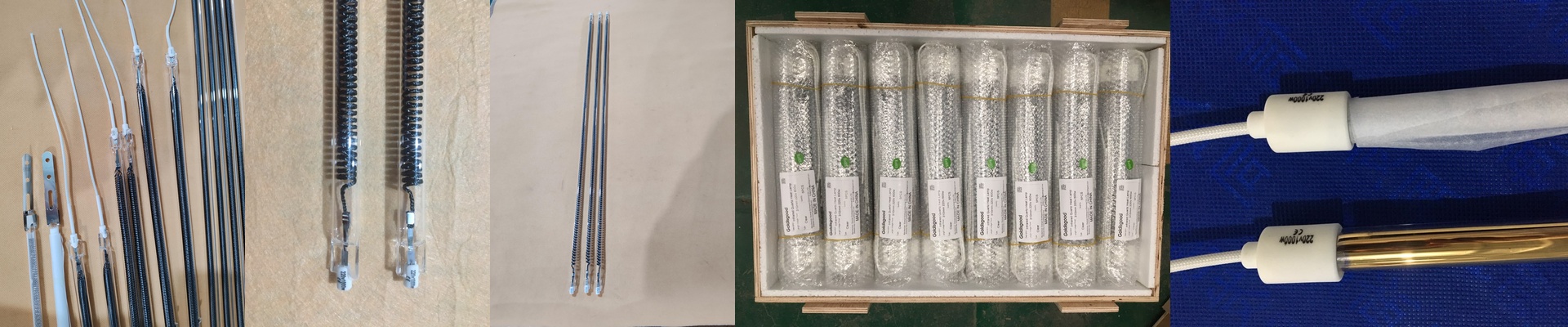
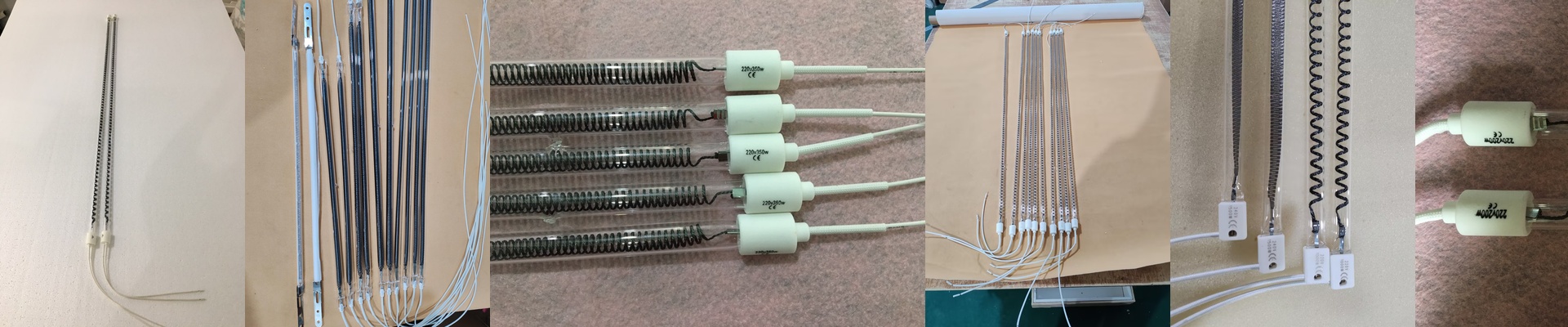
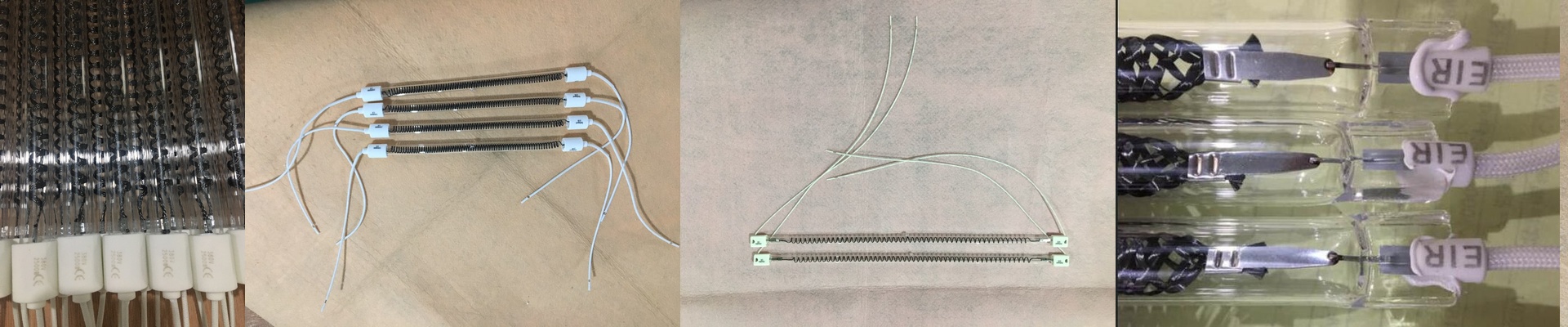
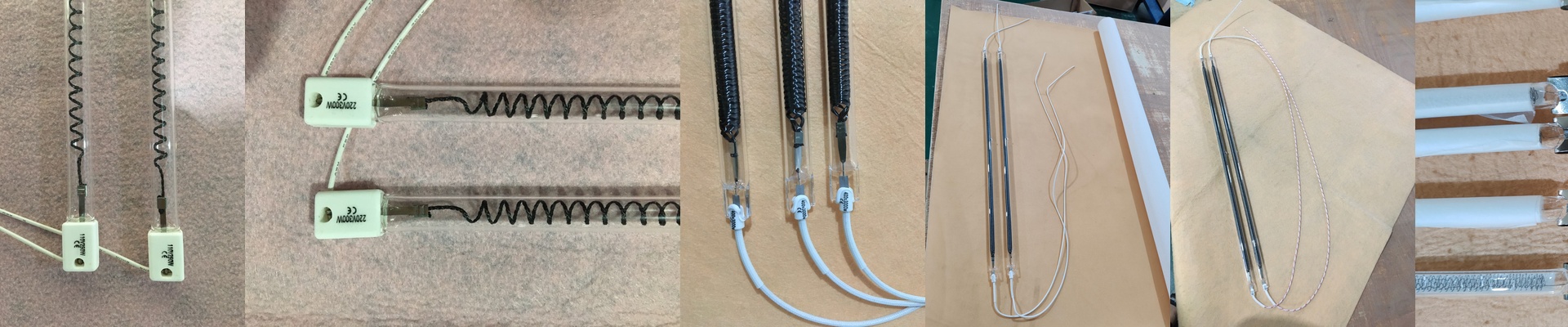
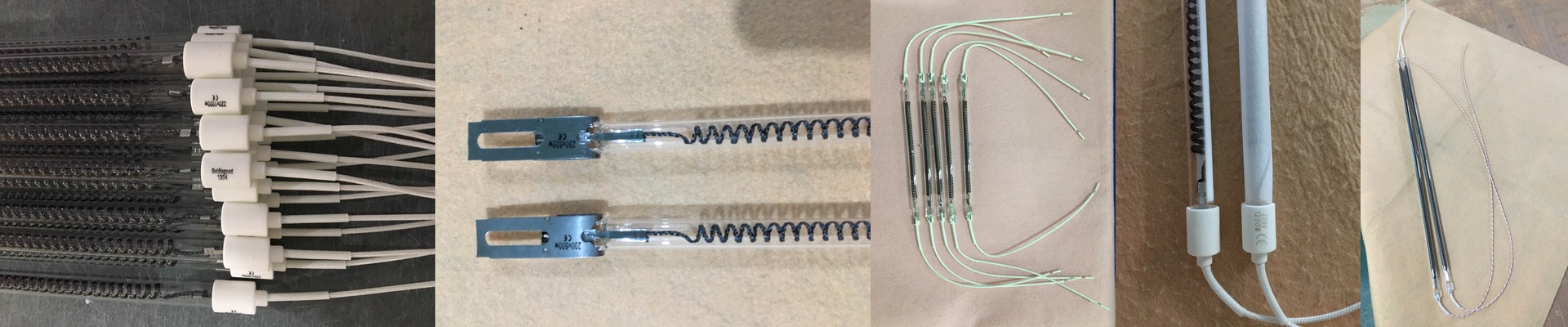
Let’s Talk About the SK15 Carbon Fiber Heat Lamp
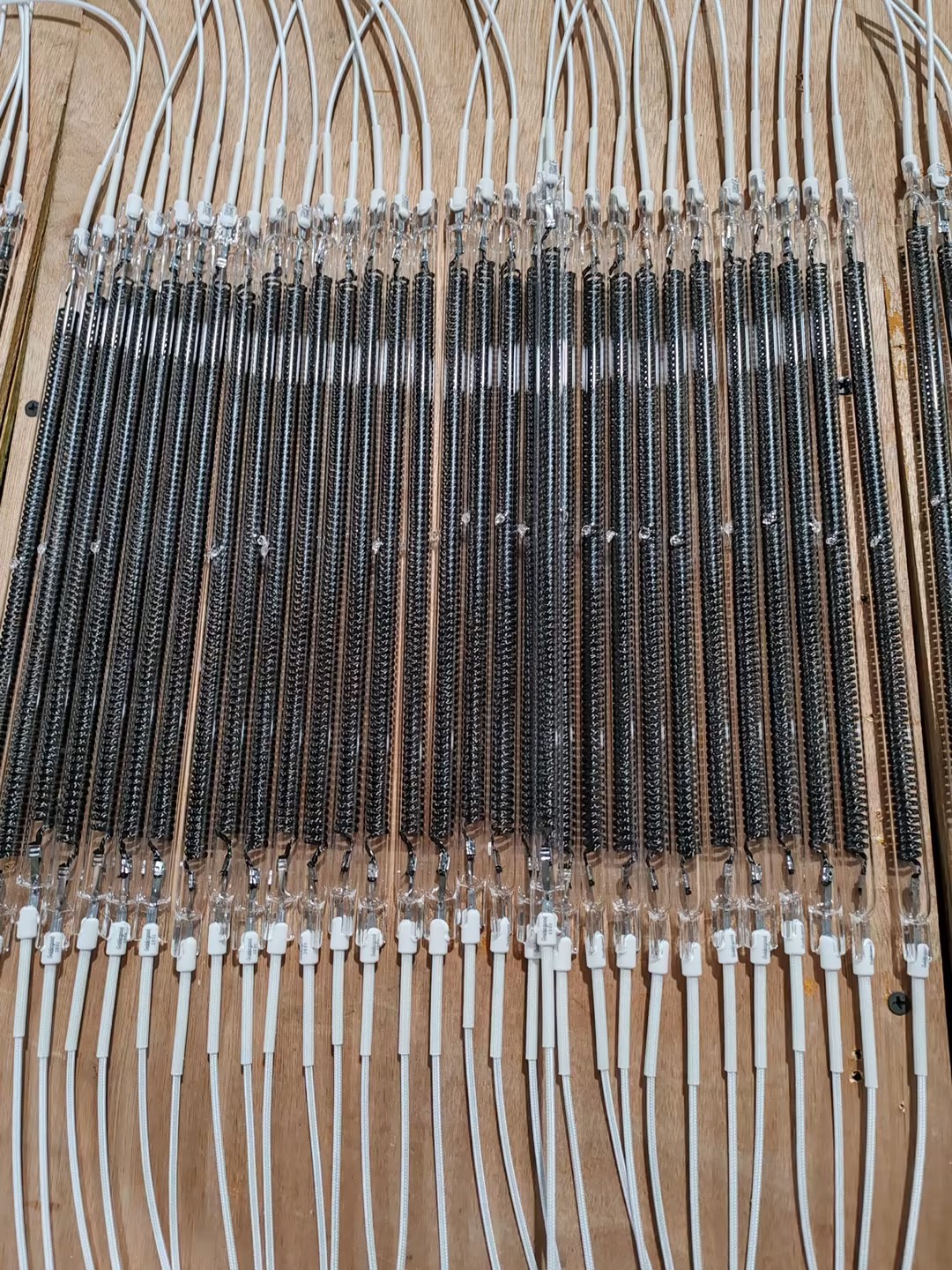
If you’ve spent any time in a car shop, you know the drill. You’re waiting on paint to dry or a coating to cure, and that waiting is just wasted money. That’s why we built the SK15. Instead of the old-school halogen tubes, we went with carbon fiber heating elements wrapped in quartz glass. Here is why that actually matters: it puts out medium-to-long wave infrared radiation. In plain English? The heat doesn’t just sit on the surface. It actually sinks deep into the paint and adhesives to get the job done faster. The plug-and-play side of things We used the SK15 connector because nobody has time to mess around with complex wiring when a tube burns out. You just swap it and get back to work. Most of these run on a standard 220V-240V circuit. Just a heads-up: the longer the tube, the more power it pulls. If you’re planning to line your whole curing bay with these, just double-check your breakers first. You don’t want the lights going out right in the middle of a project. Why carbon fiber beats halogen Halogen filaments are basically thin wires that can snap if the shop gets a bit too bumpy. Carbon fiber is different. It’s tougher. It handles the vibrations of a working garage much better. Plus, the quartz glass lets the heat through without losing its punch. We’ve noticed it spreads the heat way more evenly across the panel. No more worrying about those annoying “hot spots” that can ruin a perfect clear coat. Using them in the wild Whether you’re pulling dents, drying paint, or setting a ceramic coating, these things are instant. There’s no “warming up” period. You flip the switch, and the heat is there. But, a word of caution: that quartz glass is fragile. If you accidentally whack it with a tool or a heavy rag, it’s going to shatter. We really suggest mounting them in reinforced frames to keep them safe. And since these put out a lot of energy, make sure your shop has some decent airflow. It can get pretty warm in there during a long session.