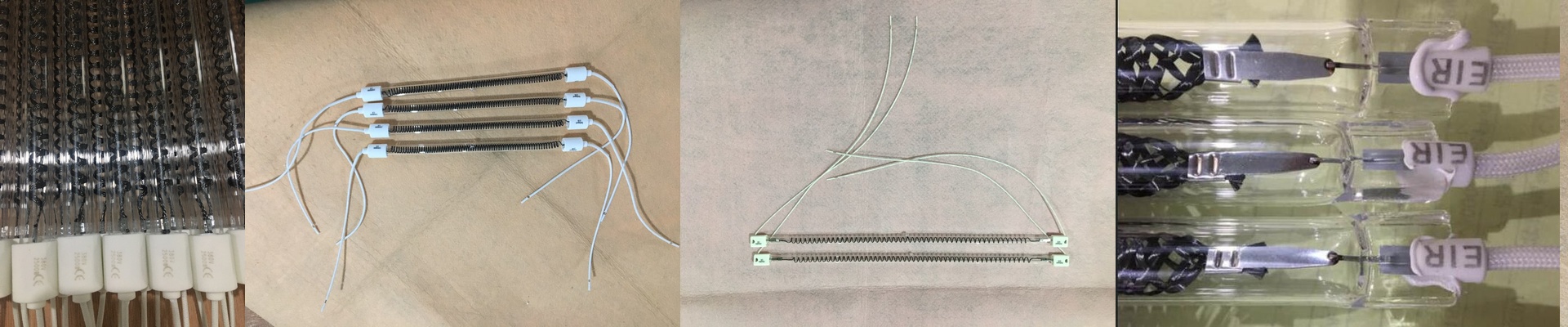
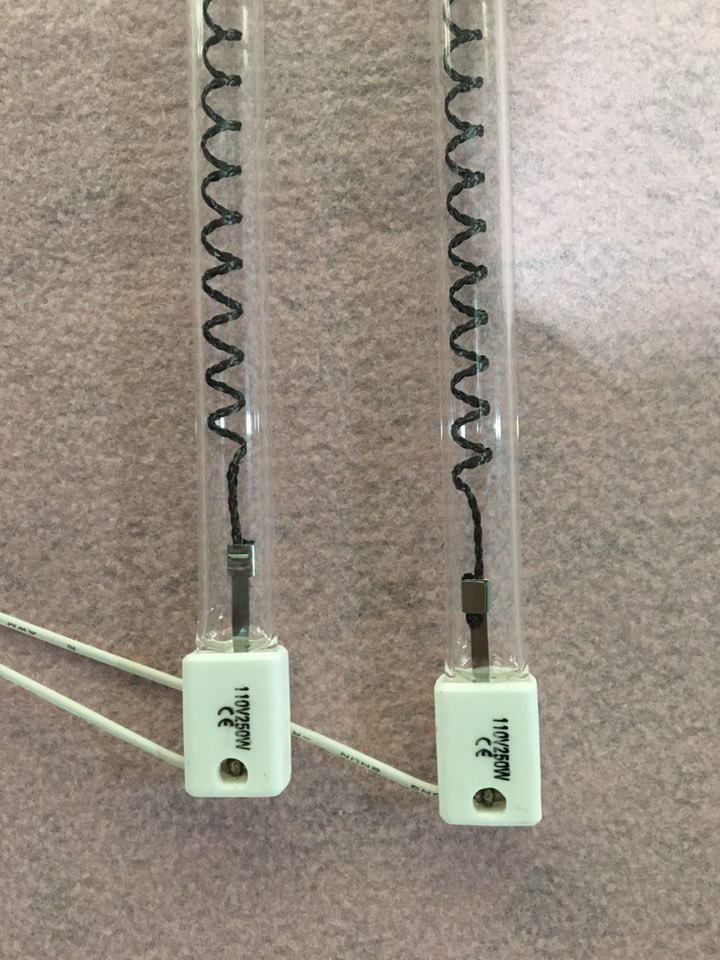
Let’s talk about Carbon Fiber Infrared Lamps
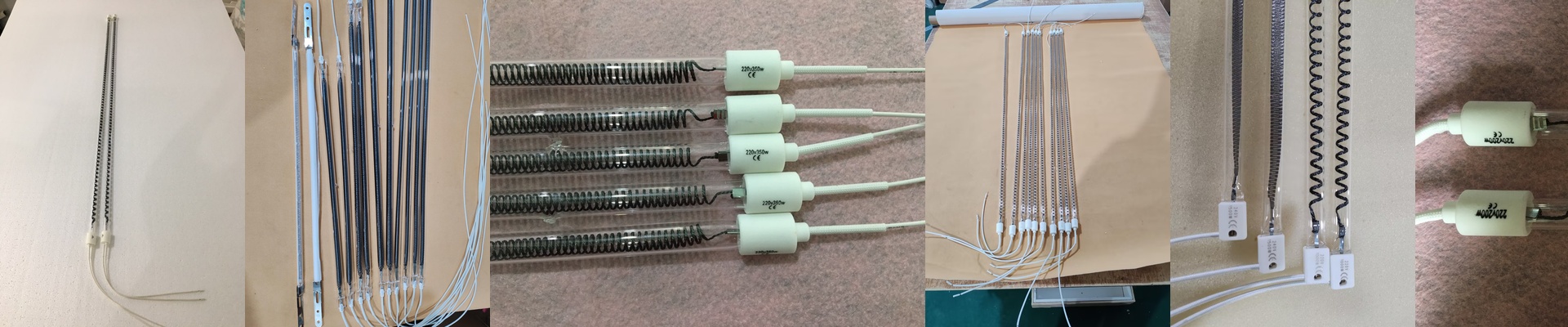
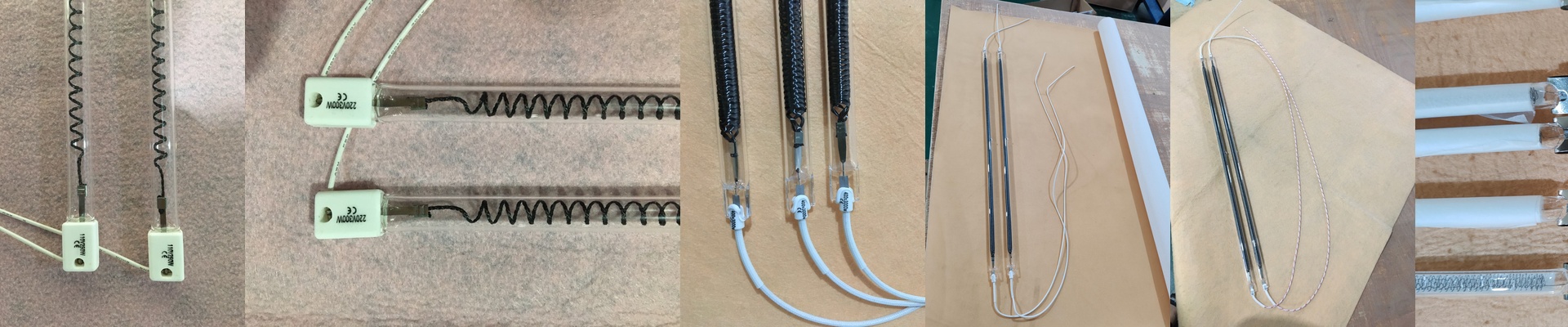
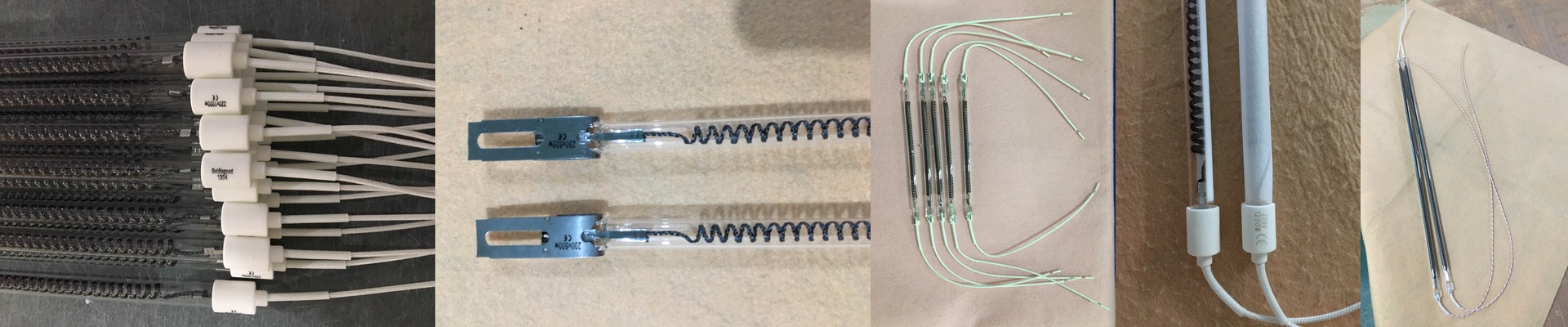
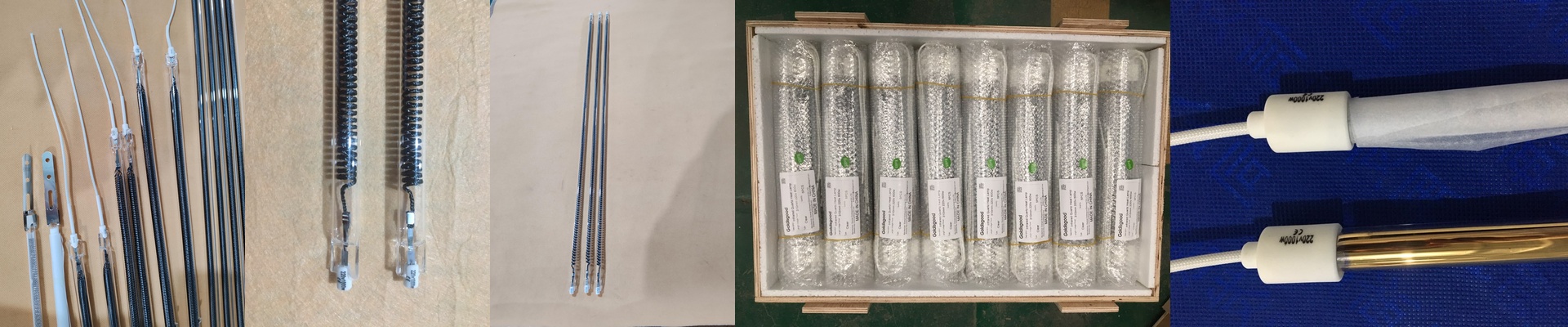
If you need to dry solvents or cure coatings fast, you’ve probably looked into carbon fiber heating lamps. Basically, we’ve got a carbon filament tucked inside a quartz tube that pumps out short-wave infrared radiation. It’s intense, it’s quick, and it gets the job done when you can’t afford to wait around for things to dry. The power side of things Here is the trick: it all comes down to how much wattage you can cram into the length of the tube. If you pack a lot of power into a short space, you get a serious heat zone. If you’re running high voltage, you’ll notice the lamps hit their operating temperature almost instantly. But a word of warning—keep your power supply steady. Voltage spikes are a killer; they’ll fry that carbon filament before you even know what happened. What they’re actually made of We use quartz glass for the envelope. Why? Because it lets that short-wave IR slide right through instead of soaking up the heat itself. Depending on what you’re drying, we can add a special coating to the glass. This shifts the heat spectrum, helping the warmth sink deeper into your material rather than just scorching the surface. As for plugging them in, we usually stick with R7s or SK15 connectors. They’re easy. They just slide right into most industrial drying racks. Plus, they’re designed to handle the way the lamp expands and shrinks as it heats up and cools down, so you don’t have to worry about loose connections. Real-world use You’ll see these everywhere—PET bottle blowing, automotive paint shops, textile curing. The big win here is speed. Carbon fiber hits peak temp way faster than those old-school metal coils, which means your cycle times actually drop. But be careful. This heat is concentrated. If you mount the lamps too close, you might warp your thinner materials. You’ll want to play around with your conveyor speed and the distance between the lamp and the product to make sure you aren’t scorching anything. And for heaven’s sake, make sure you have good ventilation. You don’t want your housing overheating.