Why We Use W-Shaped Carbon Fiber Heating Wire
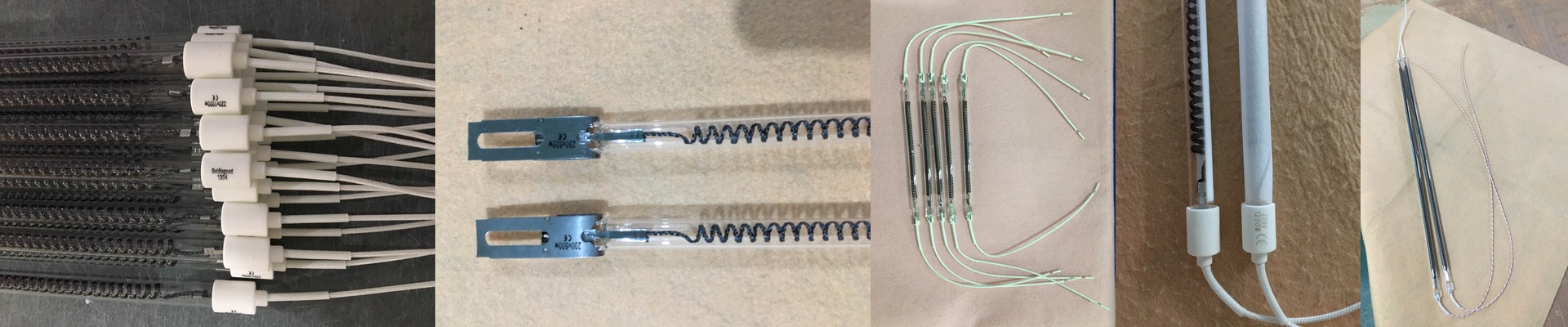
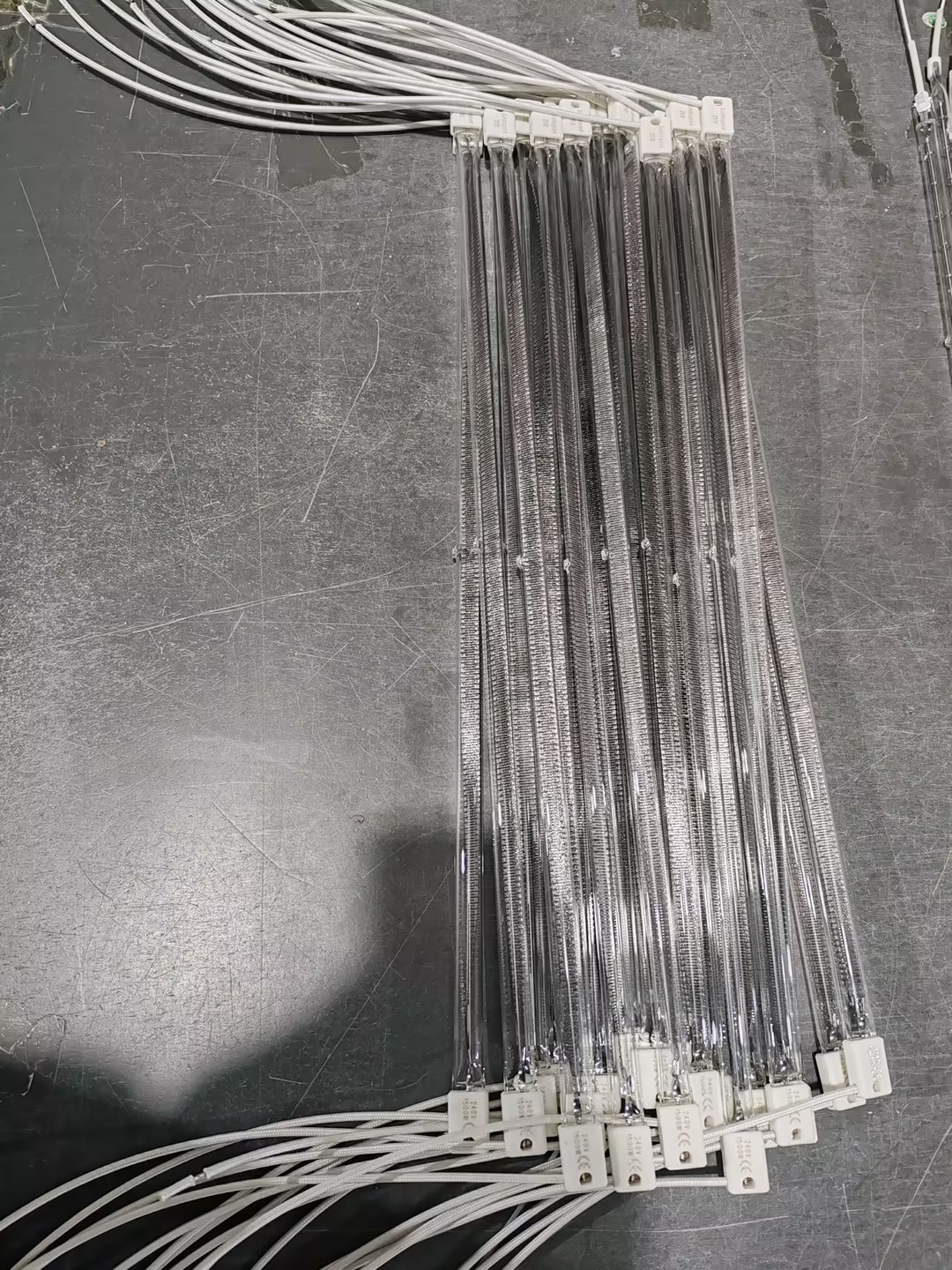
Ever dealt with those annoying hot spots in a linear heating zone? You know the drill—some parts of your workpiece are scorching while others are barely warm. It’s a headache. To fix this, we stopped using straight lines and started bending our carbon fiber wire into aW-shape. Here’s why that actually matters. By folding the wire, we’re basically sneaking more heating surface into a much smaller space. Think of it like this: you get more wire length packed into every millimeter of the heating block. Because of that, you can crank up the wattage without worrying about the wire hitting a dangerous temperature at one single point. The heat spreads out. It’s smoother. And if you’re working with a tight chassis, it’s a lifesaver because you get way more power in a tiny footprint. The magic is in the carbon fiber. We use it because it handles high heat much better than the old-school nichrome wire. It doesn’t expand and shrink nearly as much, which keeps things stable. We also coat the elements so they don’t oxidize or short out on you. But the real win? Far-infrared radiation. Instead of just heating up the air around the part, the heat actuallysoaks into the material. It’s a deeper, more effective kind of warmth. Now, a quick heads-up on the setup. You can wire these in series or parallel, depending on your voltage. But keep this in mind: carbon fiber has a “negative temperature coefficient.” In plain English? The resistance drops as it gets hot. This means you’ll see a big surge of current right when you flip the switch. If your power supply or relays aren’t ready for that initial hit, they’ll fry.Make sure your controllers can handle that spike. One last thing. These elements are tough, but those W-bends are the most vulnerable spots. If your machine vibrates a lot, that stress can lead to fatigue and eventually a break. Just make sure you secure the wire firmly, and you’ll be good to go.