Getting Your Industrial Heat Right: A Look at Carbon IR Elements
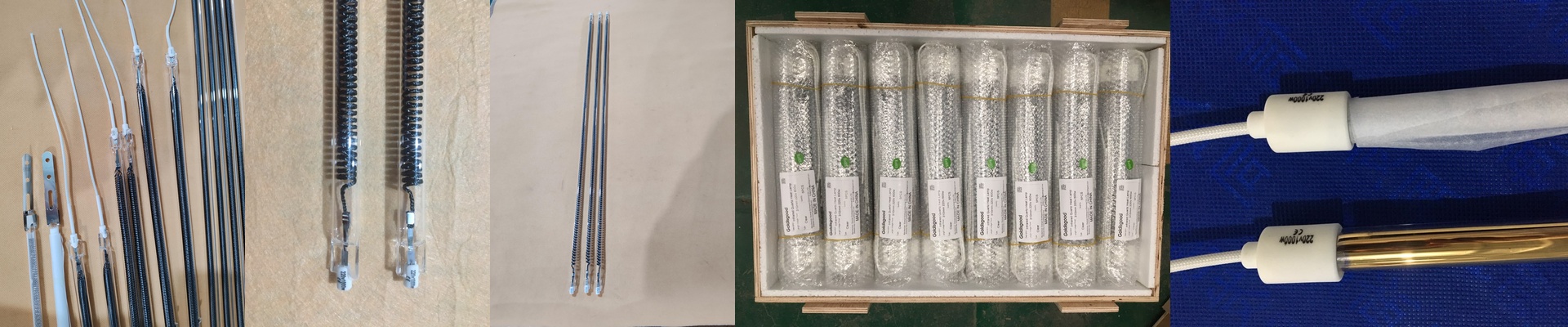
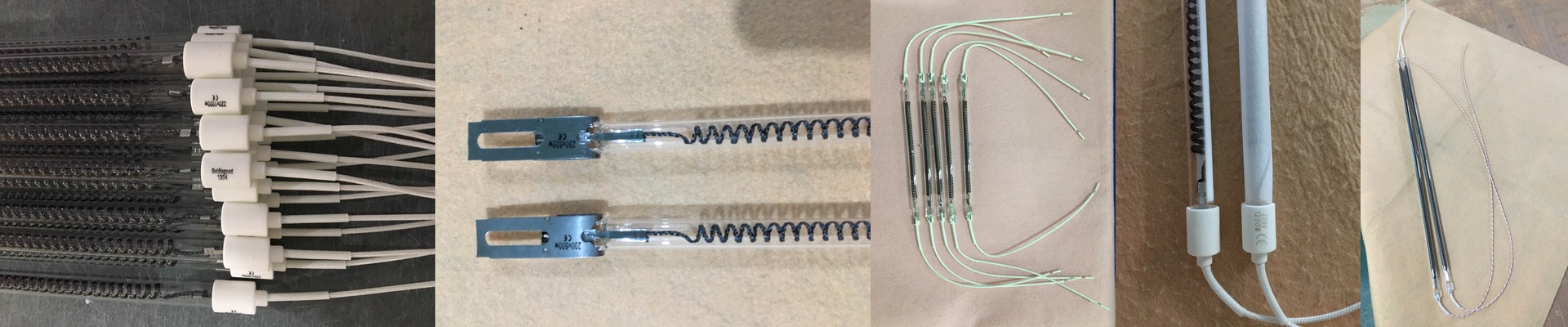
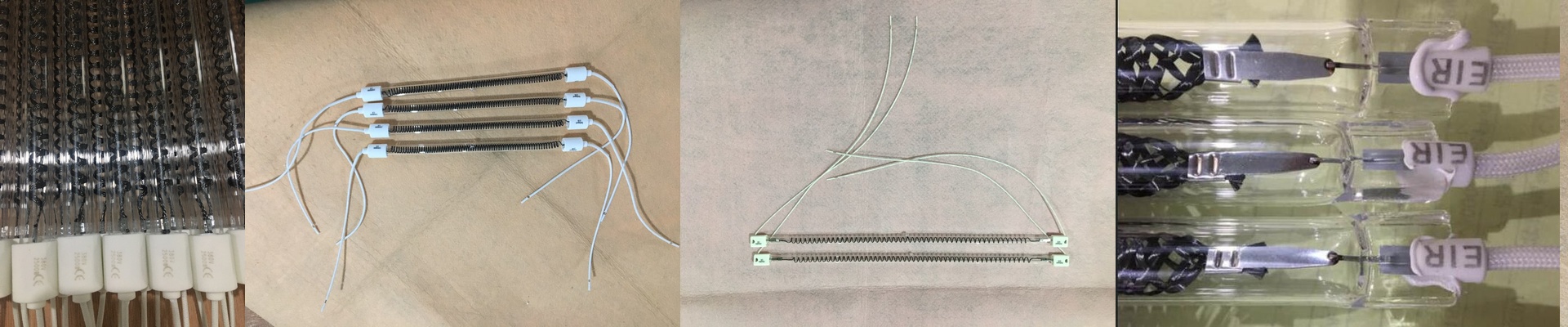
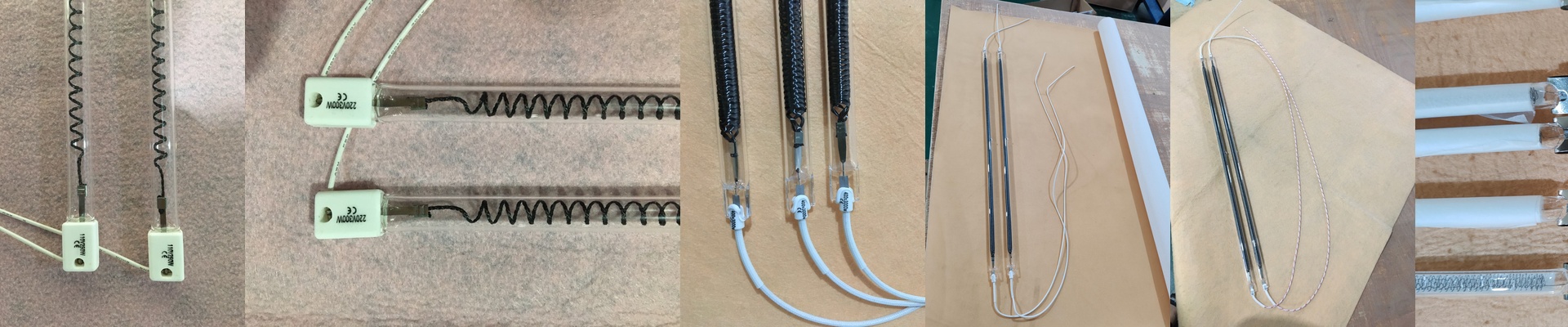
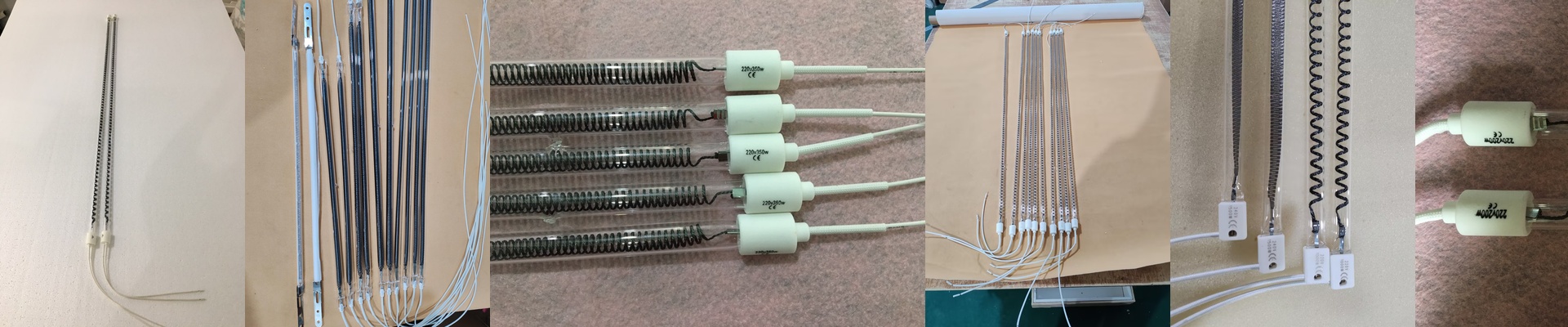
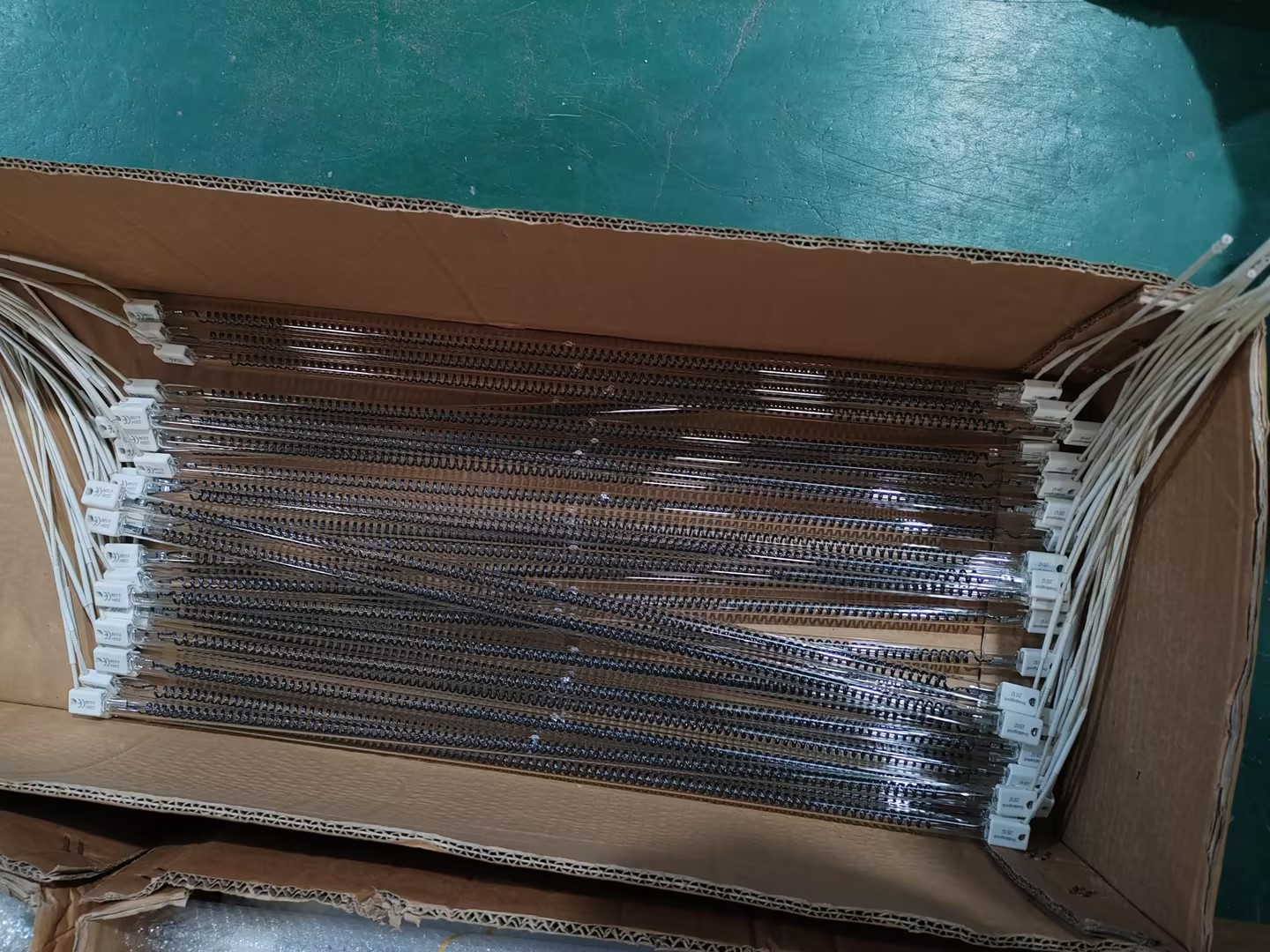
If you’re still using standard metal-wire lamps, you’re probably spending way too much time waiting for your line to warm up. That’s where carbon infrared elements come in. Instead of wire, we use a carbon-fiber filament. The result? They hit those high temperatures fast. Really fast. It cuts down the downtime and gets your production moving much quicker. The Power Side of Things Here’s the thing about voltage and wattage: it’s all about how much heat you can cram into a small space. If you run a high-wattage element at 230V or 400V, you can actually shrink the size of your heating bank without losing any of that BTU punch. Plus, high-voltage setups draw less current, so you can get away with thinner wiring. But a word of warning: your power supply has to be rock solid. Carbon filaments are sensitive. One big voltage spike and pop—your lamp is gone. What They’re Actually Made Of We wrap that carbon fiber in high-purity quartz glass. We do this to keep oxygen out (so the fiber doesn’t burn up) and to let the shortwave IR radiation slide right through without getting blocked. Depending on what you’re doing, we can add a special coating to the glass. This can either tweak the heat spectrum or act as a shield if you’re worried about chemical splashes hitting the tubes. When it comes to plugging them in, we usually stick with R7s or Sk15 connectors. They should slide right into most industrial sockets without a fight. Just double-check that your old sockets aren’t worn out. If the fit is loose, you’ll get arcing, and that’s a quick way to kill a perfectly good lamp. Real-World Use (and the Catch) You’ll see these all over the place in plastic welding and PET bottle blowing. Because they react so quickly, you can use a PID controller to tweak the heat in real-time. It gives you a lot more control over the process. But there is a trade-off. The quartz is fragile. While the carbon inside can handle a ton of heat, the glass can’t take a hit. A hard bump or a sudden, extreme temperature shock will crack the tube instantly. When you’re setting up your mounting brackets, just make sure nothing is pressing directly against the glass. Give it some breathing room.