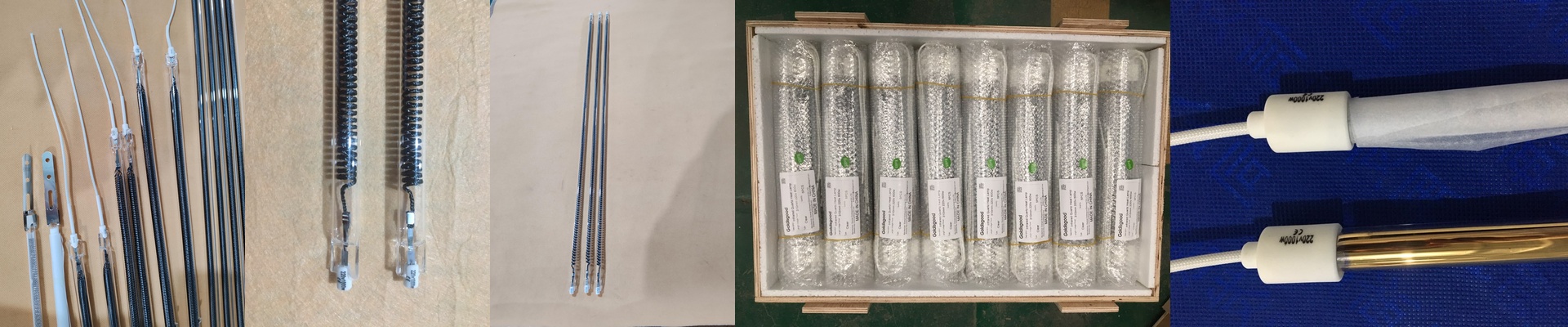
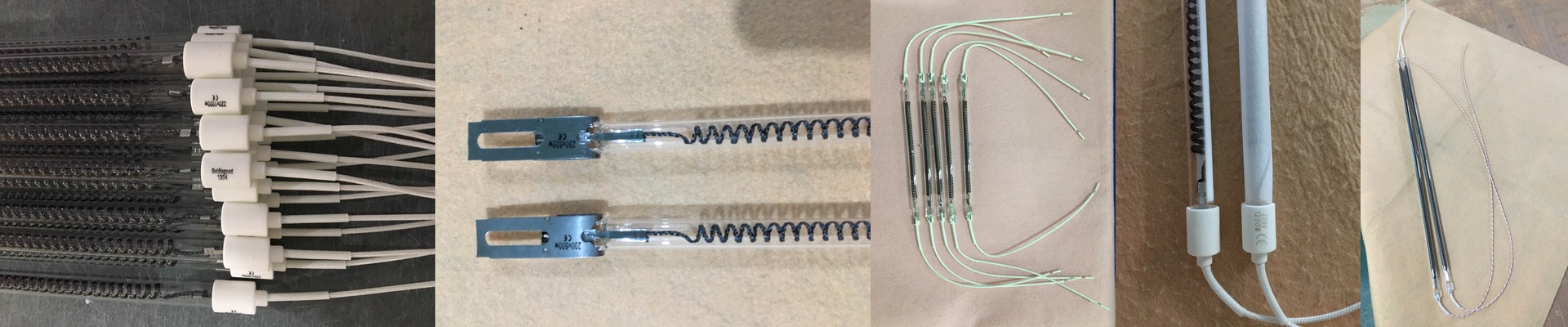
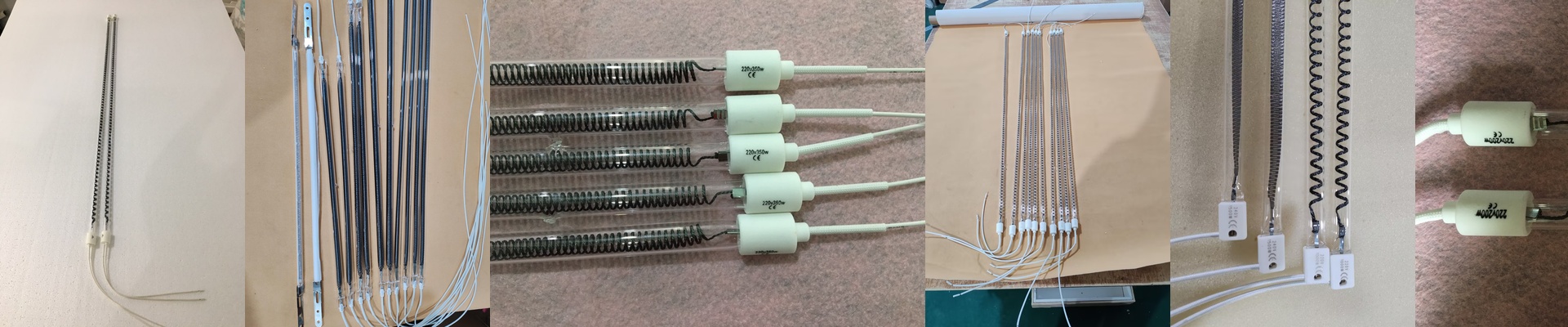
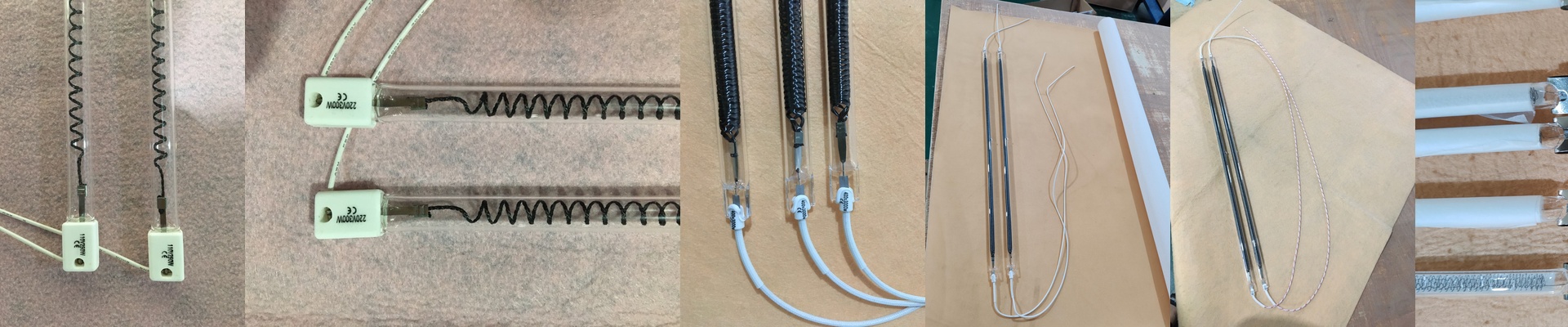
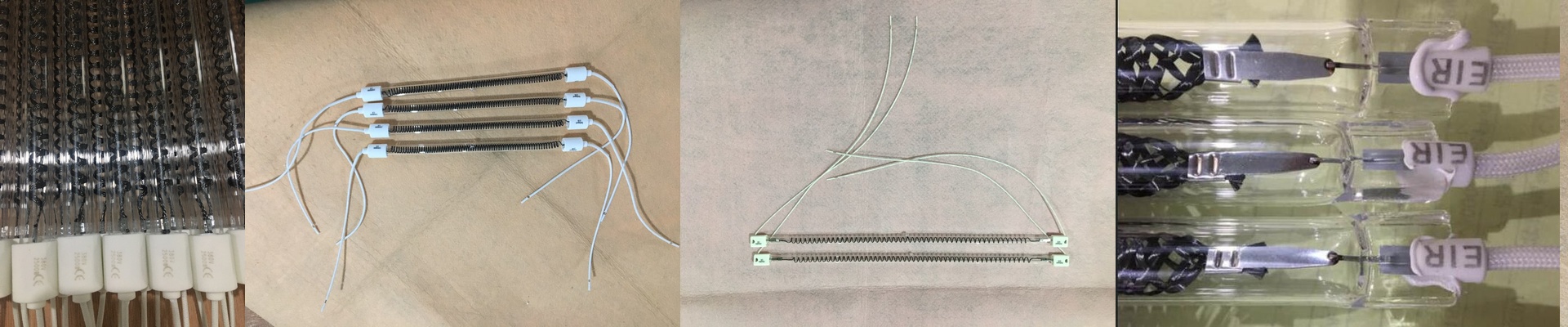
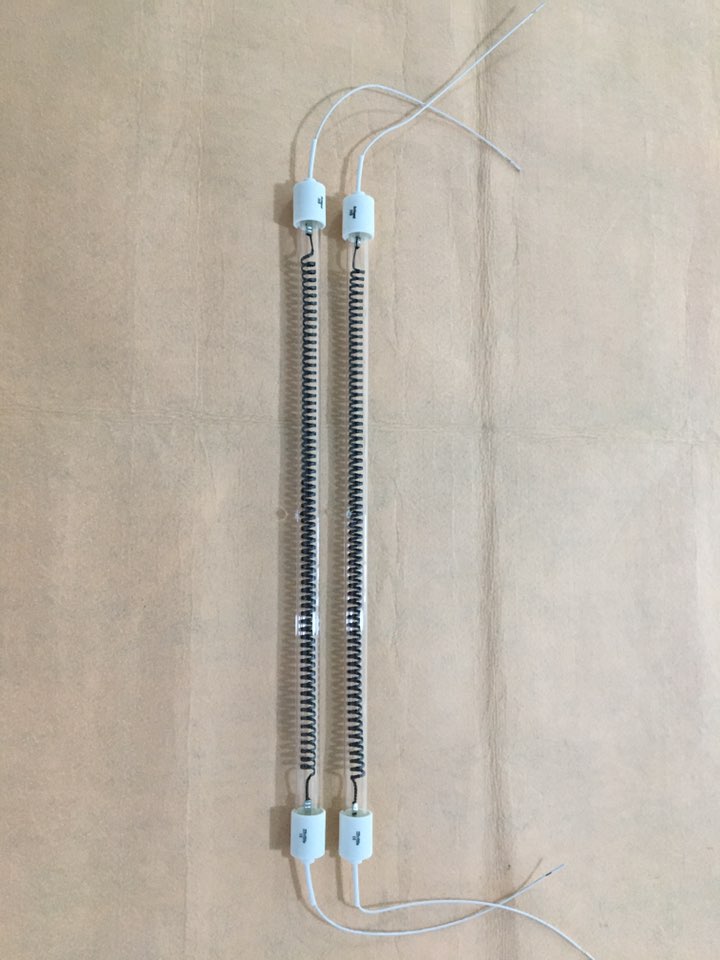
Let’s talk about 220mm Carbon Fiber Heating Lamps
If you’re looking for a way to get a lot of heat into a small space, these 220mm carbon fiber lamps are a great bet. Instead of using those old-school metal alloy elements, we use a carbon fiber filament tucked inside a quartz tube. Here’s why that matters: it changes the kind of heat you’re putting out. You get medium-to-long wave infrared that actually sinks into your materials. You aren’t just heating up the air around the part—which is basically a waste of electricity—you’re hitting the target directly. The nuts and bolts At 220mm, these are a perfect fit for most mid-sized industrial ovens or drying tunnels. We’ve dialed in the wattage and voltage so they heat up fast. No one likes waiting around for a machine to warm up, and these cut down that lag time significantly. But a word of warning:be careful with your power supply. You’ve got to match the rated voltage exactly. If you push too much voltage through a carbon fiber element, it won’t just “run hot”—it’ll pop. Just like that. Gone. The build quality We use high-purity quartz glass for the sleeve. It does two things: it keeps the carbon from oxidizing and lets the IR rays pass through without getting blocked. The cool thing about carbon fiber is that it doesn’t need to get nearly as hot as tungsten to give you that intense radiant heat. Most of these come with standard end-caps, so wiring them in is usually a breeze. Just one tip: check your lead wire gauge before you install them. If your wires are too thin, they’ll overheat and your voltage will drop, which messes with your heat output. Where they actually work (and where they don’t) You’ll see these all over the place—PET blowing, curing paint, welding plastics. They’re a dream when your material is designed to absorb medium-wave IR. Plus, if you’re running them at a steady state, they’ll usually outlast halogen lamps. But they aren’t invincible. The filaments are fragile. If your machine shakes or vibrates a lot, it can snap the fiber. To keep from replacing these every other week, make sure your mounting brackets are rock solid and use some vibration damping. A little bit of stability goes a long way.