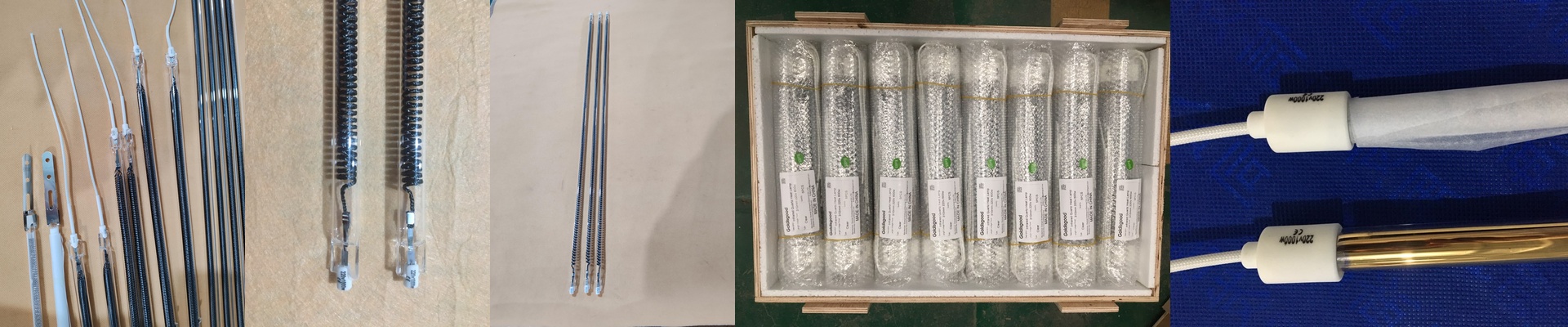
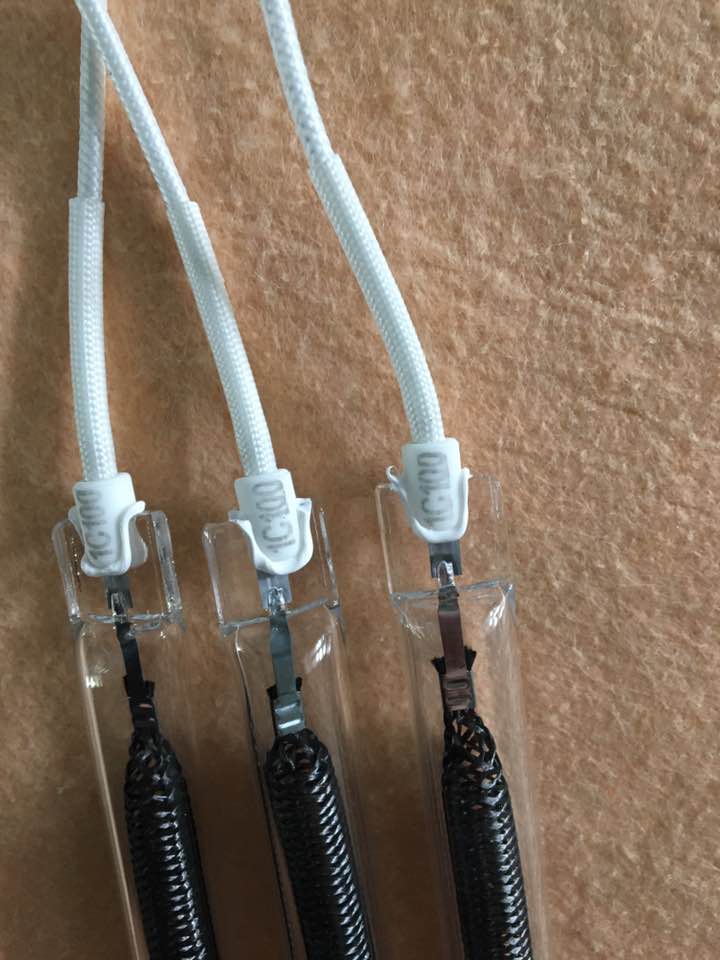
Let’s Talk Custom Carbon Fiber Heating Elements
If you’ve ever struggled with those clunky ceramic heaters or rigid resistive wires, you know the headache. They’re heavy, they break, and they just don’t fit into tight spaces. That’s why we do things differently with carbon fiber. We weave carbon filaments into a conductive matrix. When you run power through it, the whole thing warms up. It’s lightweight, it’s flexible, and it actually fits where you need it to.
Getting the Power Right
Here is the thing about carbon fiber: it doesn’t fight electricity the way Nichrome does. The resistance is lower. If you just plug it in without a plan, you might blow a circuit or end up with “hot spots” that ruin the element. To avoid that, we play around with the fiber density and the length until the wattage and voltage hit that sweet spot for your specific surface area. **Bottom line?**Your power supply and the element have to be a perfect match. If they aren’t, you’re looking at a premature burnout.
How We Actually Build Them
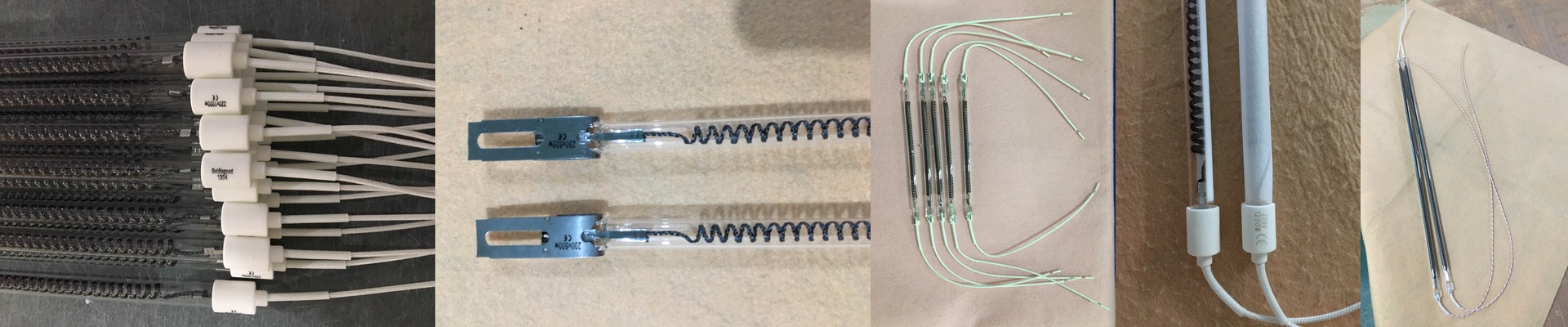
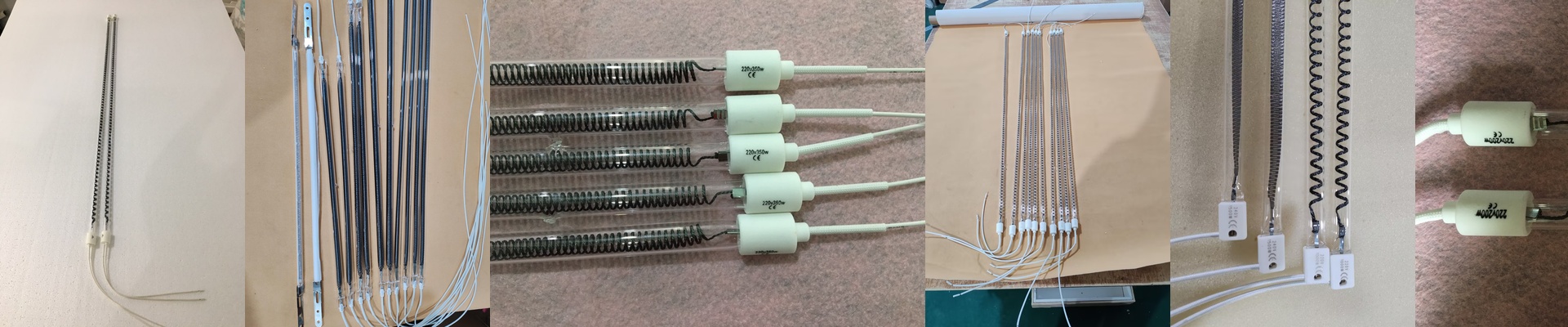
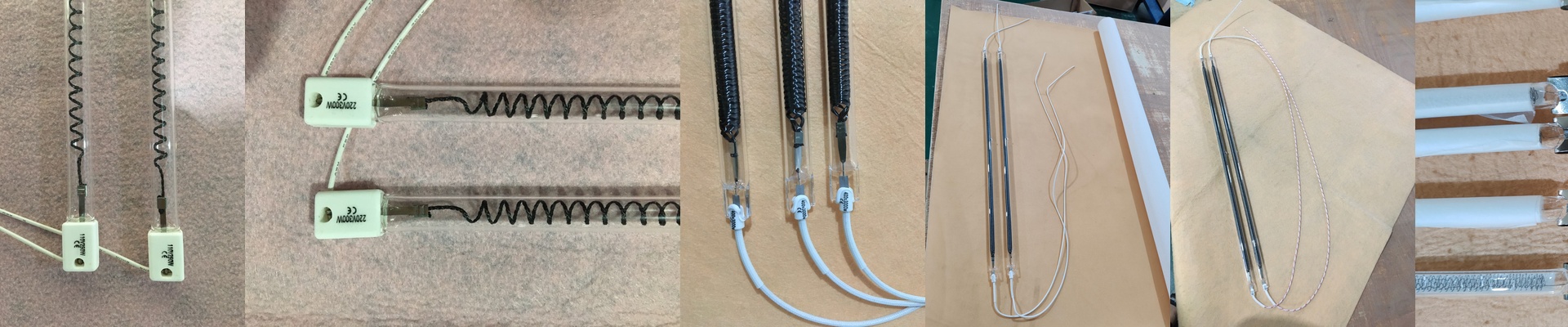
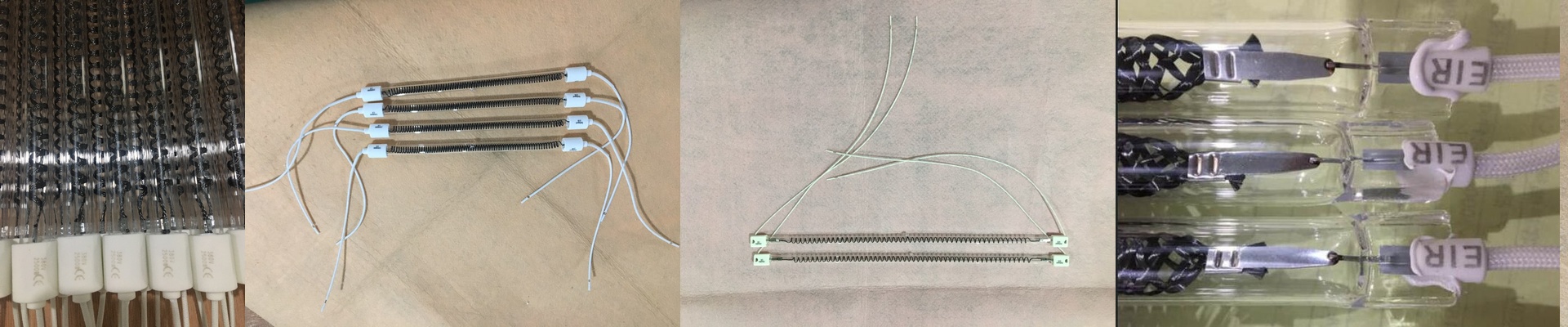
We start with high-modulus carbon fibers and wrap them in polymers or silicone. We pick the material based on where the heater is going to live. One of the best parts? Carbon fiber doesn’t oxidize. It doesn’t warp or get tired after being heated and cooled a thousand times. We also handle the messy stuff—the lead wires and connectors—so you can just plug it into your controller and get moving. If your environment is rough—think chemicals or constant rubbing—we’ll throw on a protective outer jacket. It makes the warm-up take a few seconds longer, but it keeps the core safe.
Real-World Use and a Few Warnings
You’ll find these in everything from aerospace de-icing and medical blankets to industrial curing. Since they’re flexible, they can wrap around weird shapes that would make a rigid heater snap. But, there’s a trade-off. You won’t get that instant “snap” of heat you get from a quartz lamp. There’s a bit of a lag. Because the heat spreads across a wide area, you’ll want a PID controller tuned for a slower response. If you don’t, you might overshoot your target temperature. And a quick tip: be careful with wattage in tight spaces. If there’s no airflow, you risk melting your own insulation. Always double-check your heat sinking before you crank it up to full load.
- Custom
- Electric
- Carbon
- Fiber
- 350mm-220v-2000w-Halogen-Infrared-Heat-Lamp-for-Pet-Blowing-Machines
- 300-1000mm-1000w-1500w-2000w-Infrared-Quartz-Heating-Lamp-for-Pet-Blowing-Machine
- 350mm-220v-2500w-Halogen-Infrared-Heat-Lamp-for-Pet-Blowing-Machines
- 350mm-220v-1500w-Halogen-Infrared-Heat-Lamp-for-Pet-Blowing-Machines-Plastic-Moulding
- 350mm 220v 3000w Halogen Infrared Heat Lamp for Pet Blowing Machines