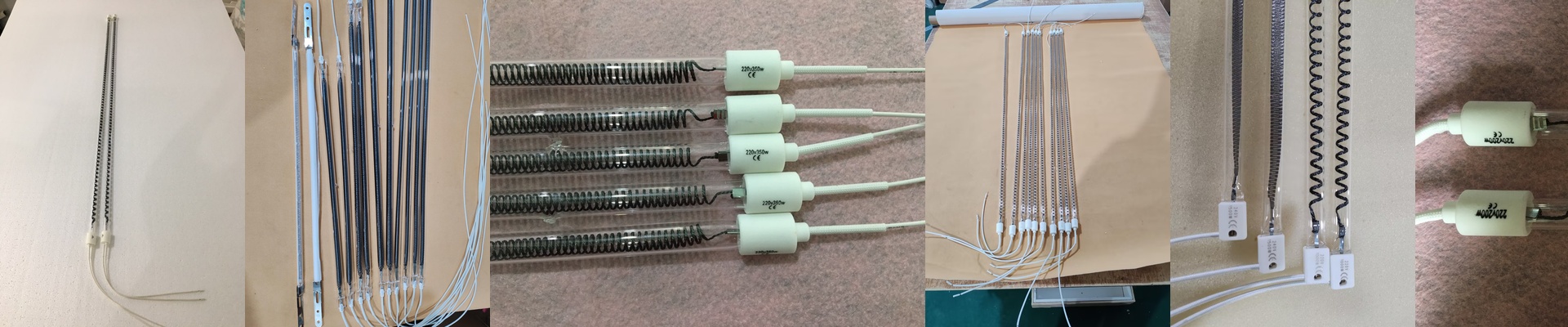
Let’s Talk Carbon Fiber Quartz Heating Tubes
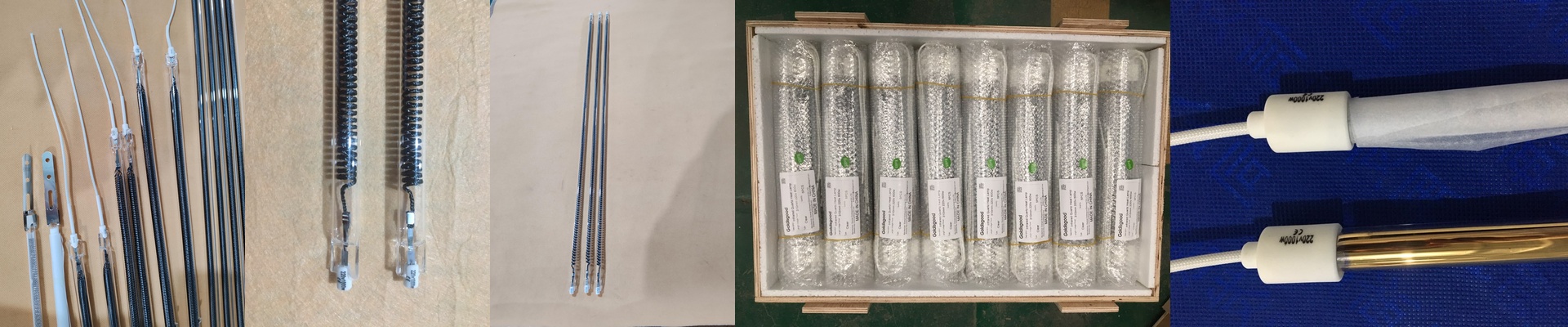
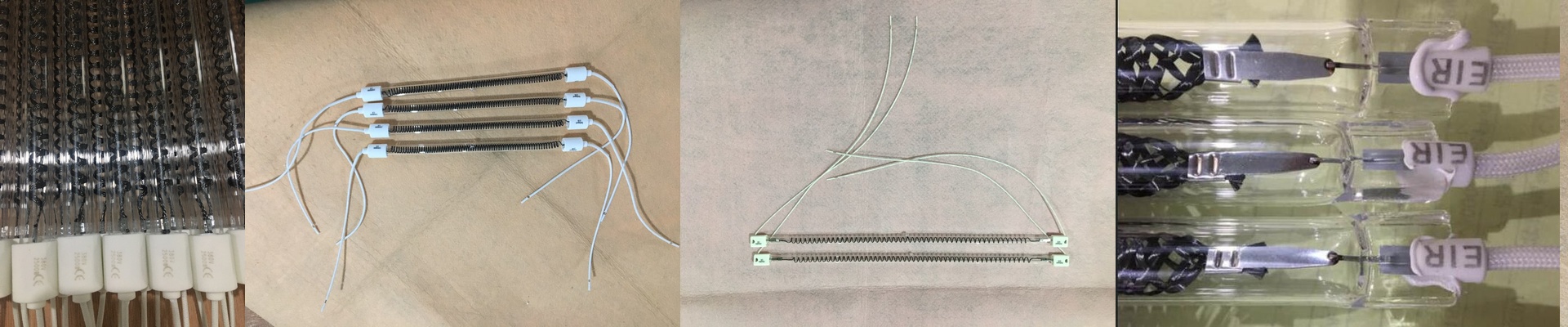
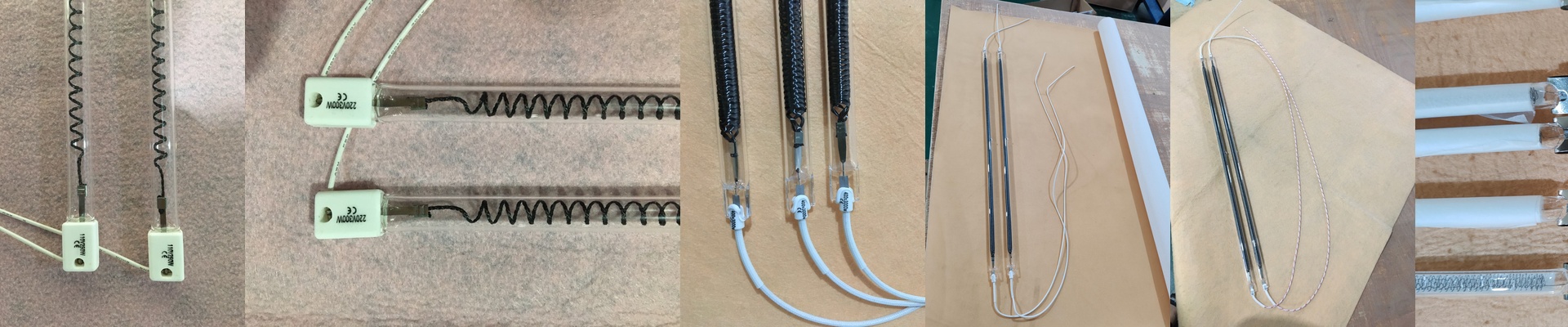
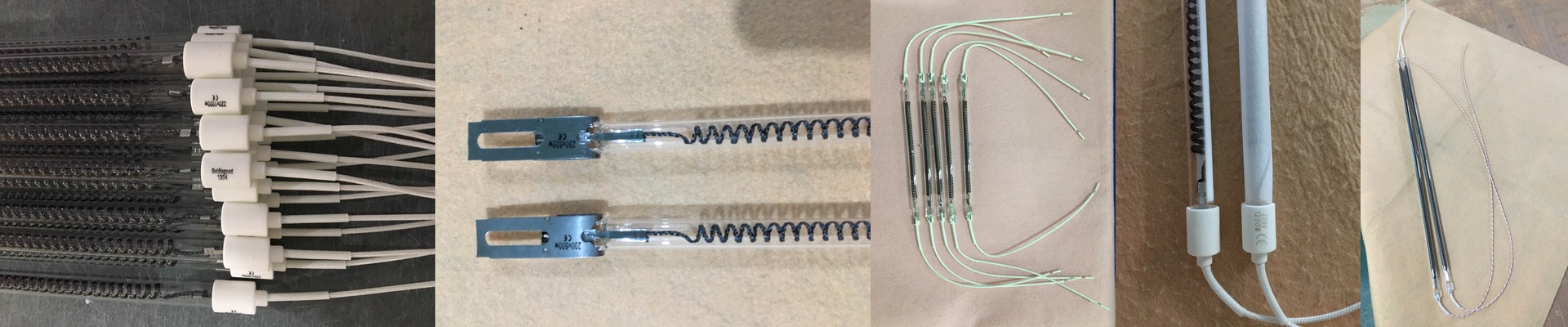
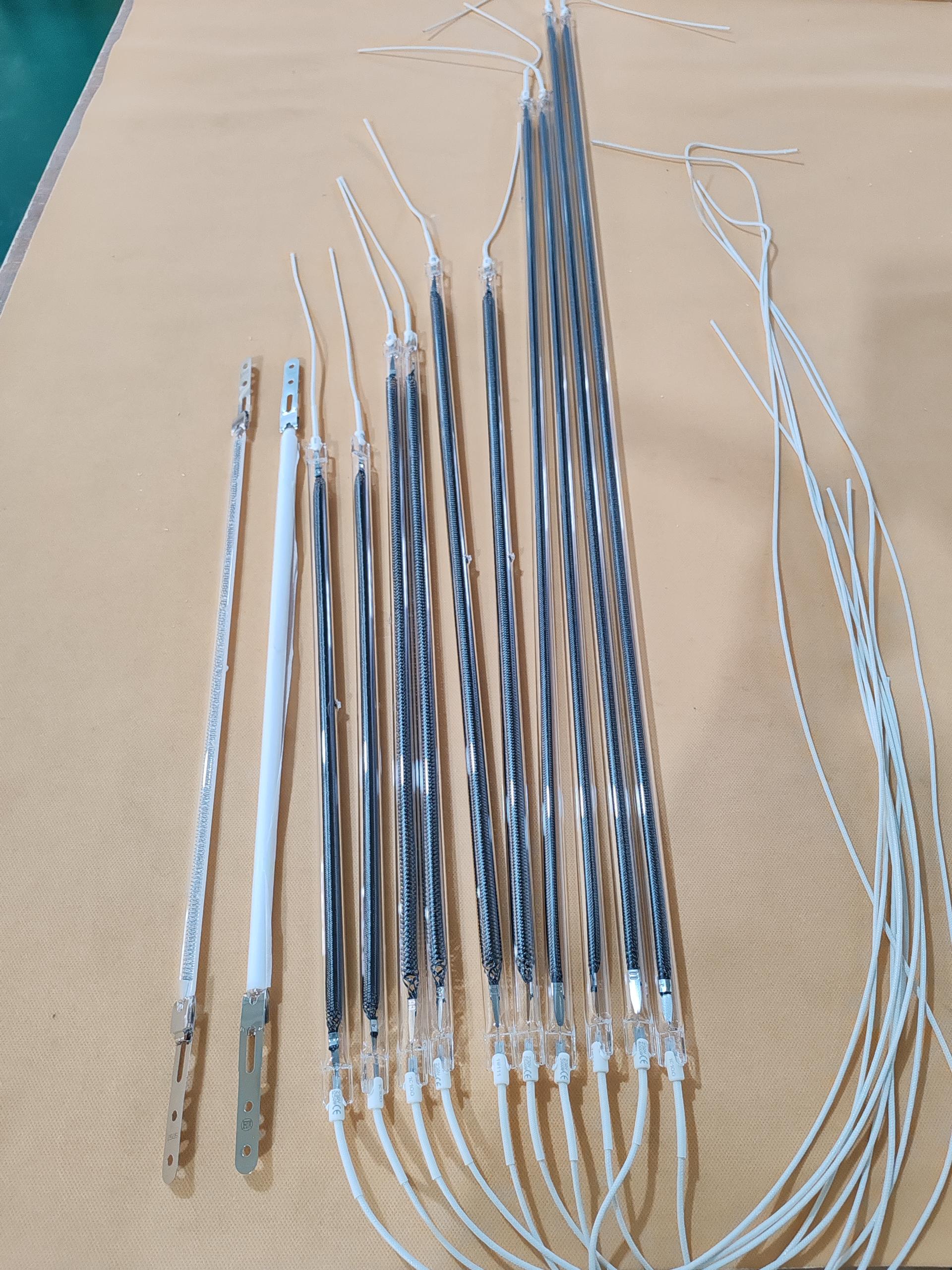
If you need to get a material hot—and you need it to happen now—these are your best bet. We basically take a carbon filament and tuck it inside a high-purity quartz tube. The result? Short-wave infrared radiation that hits your target hard and fast. The Power Side of Things Here’s the thing about performance: it all comes down to watt-density. If you go with a high-wattage setup, you’ll hit your target temperatures in a matter of seconds. It’s incredibly fast. But you’ve got to be careful. Make sure your power supply actually matches the tube’s voltage, or you’re just asking for a burnout. And a word of warning: don’t put a high-wattage tube in a chassis that can’t handle it. If your cooling system isn’t sized right for that ambient heat bleed, you’re going to overheat your whole rig. What’s Under the Hood We use quartz glass for a simple reason: it lets infrared energy pass through without wasting it. Plus, the carbon fiber filament can take much higher heat than the old-school tungsten stuff, which gives you a totally different kind of heat output. For the connections, we usually stick with R7s or Sk15. They’re basically drop-in replacements for most industrial sockets, so you don’t have to rebuild your whole machine. They keep the electrical connection tight, which is huge because it stops arcing when the tube expands as it heats up. Putting Them to Work You’ll see these all the time in PET blowing and plastic curing. They create a concentrated heat footprint that actually sinks deep into the material. Compared to ceramic heaters, your cycle times just drop. You get more done, faster. But there is a catch. Quartz is brittle. It’s glass, after all. If your machine vibrates too much or you clamp the tube down too tight, it’ll crack. Simple as that. To avoid a headache, use spring-loaded mounts so the tube has room to breathe and expand. Oh, and one last tip: use high-temperature leads. You don’t want your cables melting the moment you hit peak operation.