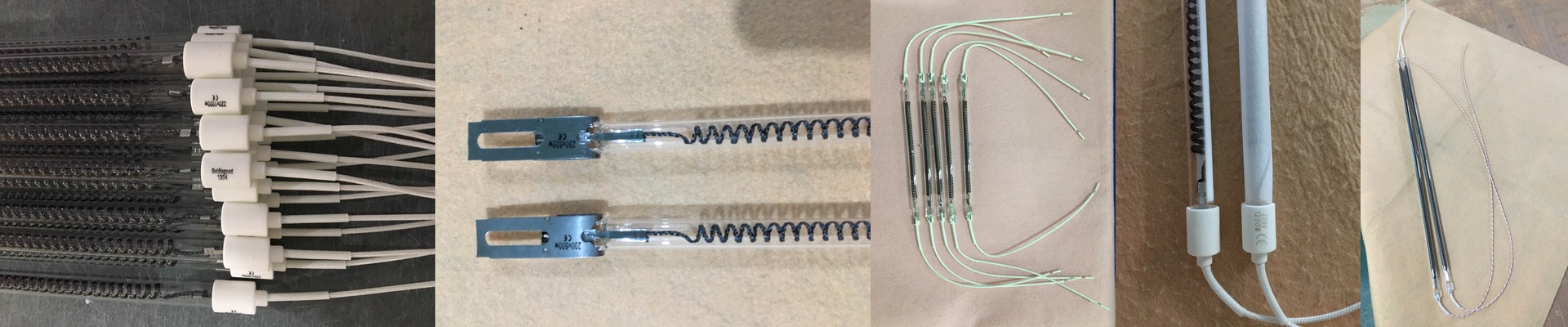
Let’s Talk Carbon Fiber Heating Elements
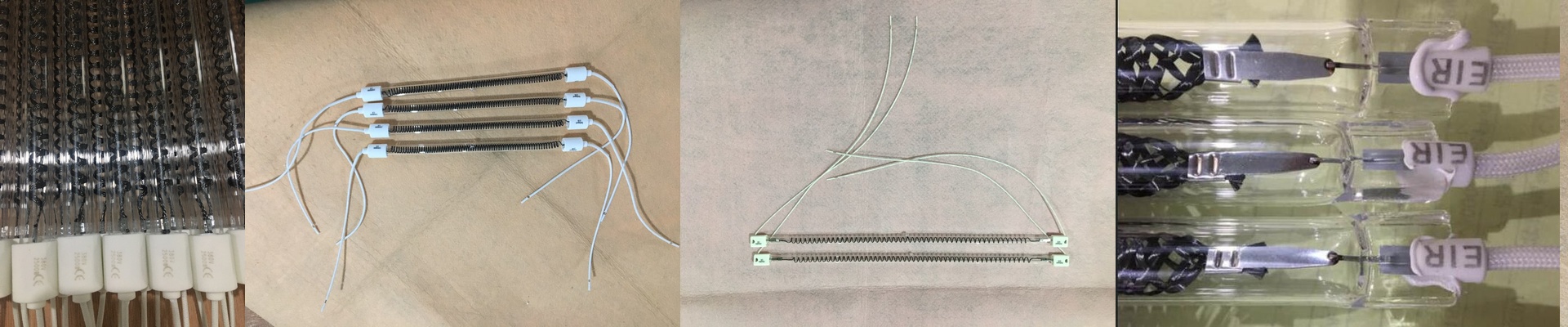
Here is the deal with how these things actually work: we use carbon filaments to turn electricity into heat. But unlike those old-school nichrome wires that tend to burn out if you push them too hard, carbon fiber can handle a lot more current without quitting on you. Plus, you don’t get that annoying bright light. When we’re working on a project for you, the first thing we look at is the wattage-to-length ratio. We want to make sure the heat hits exactly where it needs to based on the shape of your machine.
The Heat and the Build
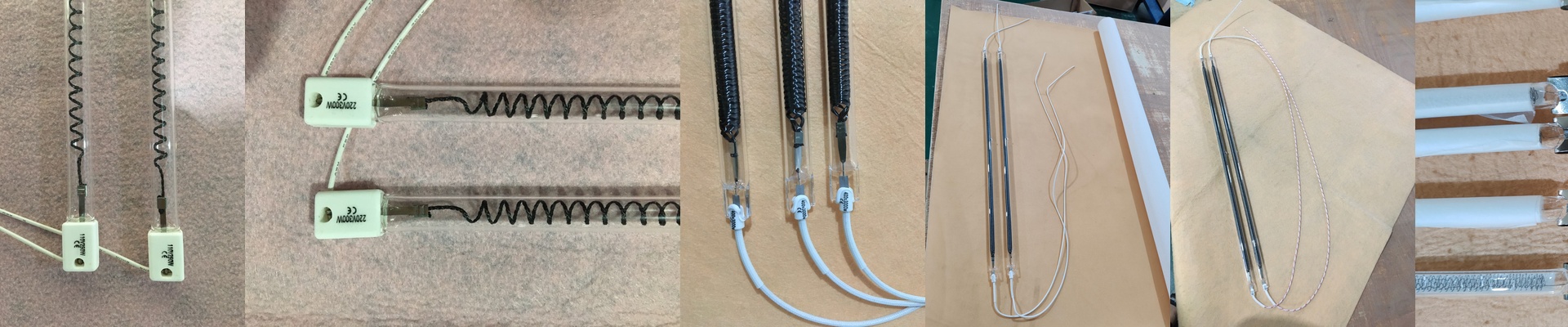
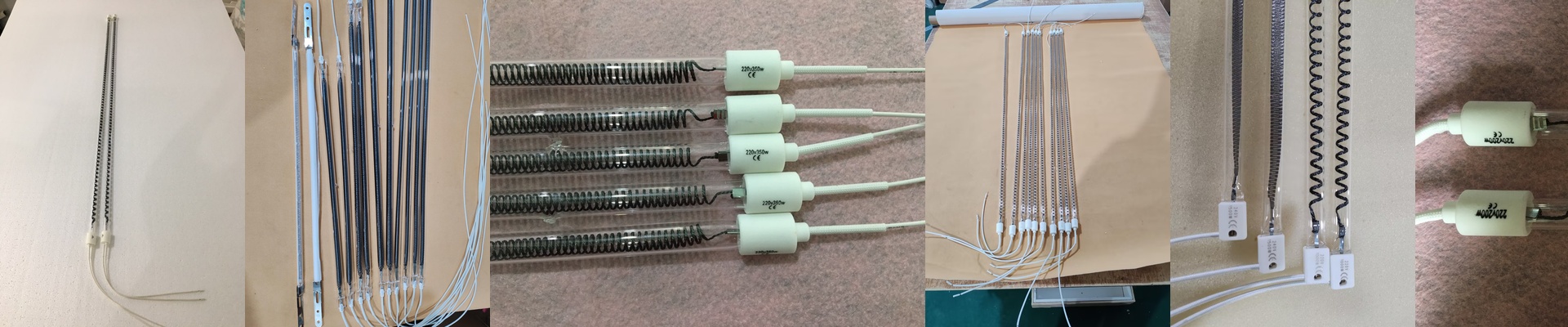
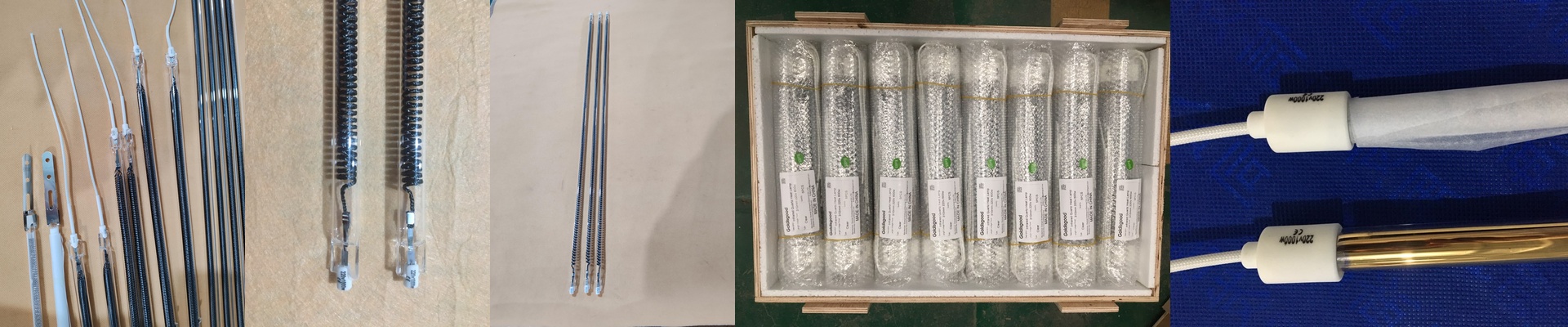
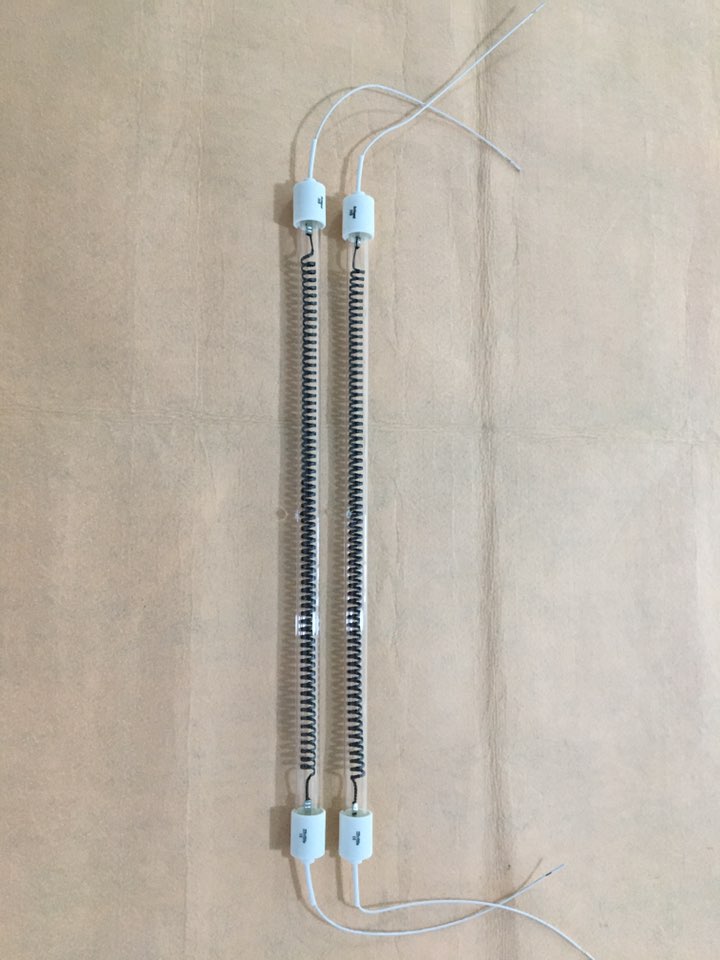
We design these to get hot—fast. To keep the filament from oxidizing or breaking, we tuck it inside a quartz or ceramic sleeve. It’s a simple setup, but it’s what allows the heater to reach those high surface temperatures without falling apart. Now, we can tweak the voltage and wattage to match whatever power rails you’re already using. If you’ve got a tiny space but need a ton of heat, we just crank up the wattage. Just a heads-up, though: if you jam too much power into a short tube, those end caps take a beating. You’ll want to make sure your housing can breathe and move that waste heat away, or you might end up warping your chassis.
Getting it Into Your Machine
If you’re ordering these for a larger production run, we handle the messy stuff. Need specific lead wire gauges? A weird proprietary connector? We’ll wire it up however you need so it just slides right into your assembly line. It’s basically a drop-in replacement for those clunky, inefficient infrared lamps. But here is the one thing you have to watch out for:mechanical shock. Carbon fiber is great with heat, but it hates being hit. A hard bump to the tube can snap the filament instantly. If your gear vibrates a lot, don’t just bolt them in. Use some vibration-dampening mounts. It takes an extra minute to set up, but it saves you from a mid-production failure that kills your whole day.