Getting Your IR Heating Walls Right for Every Car Size
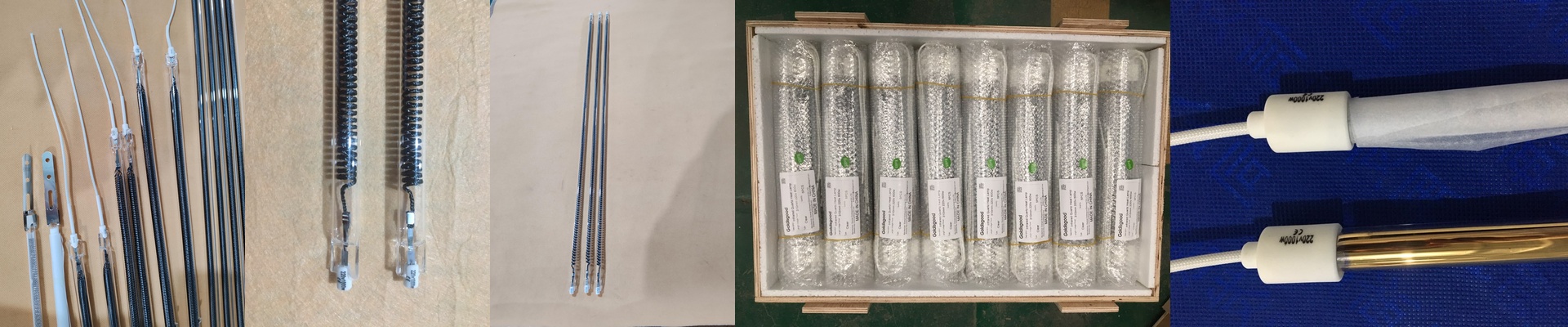
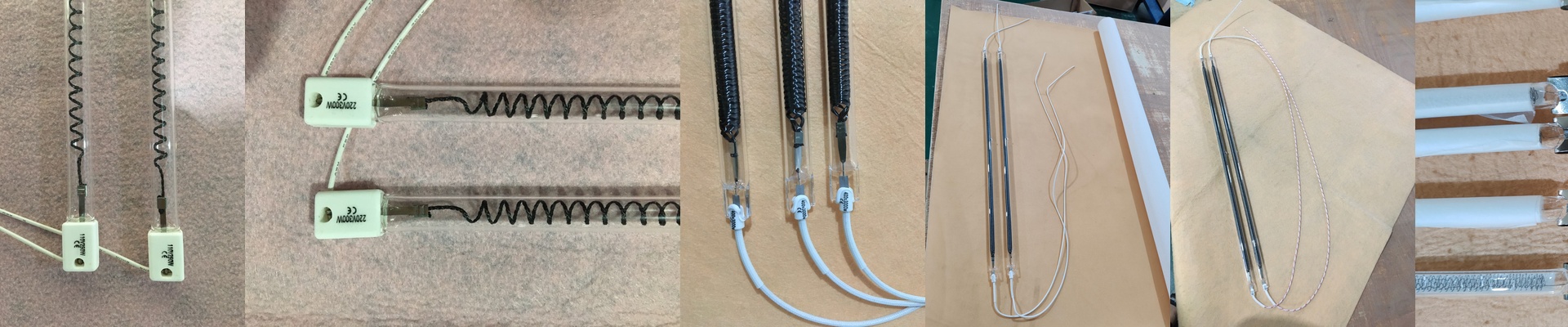
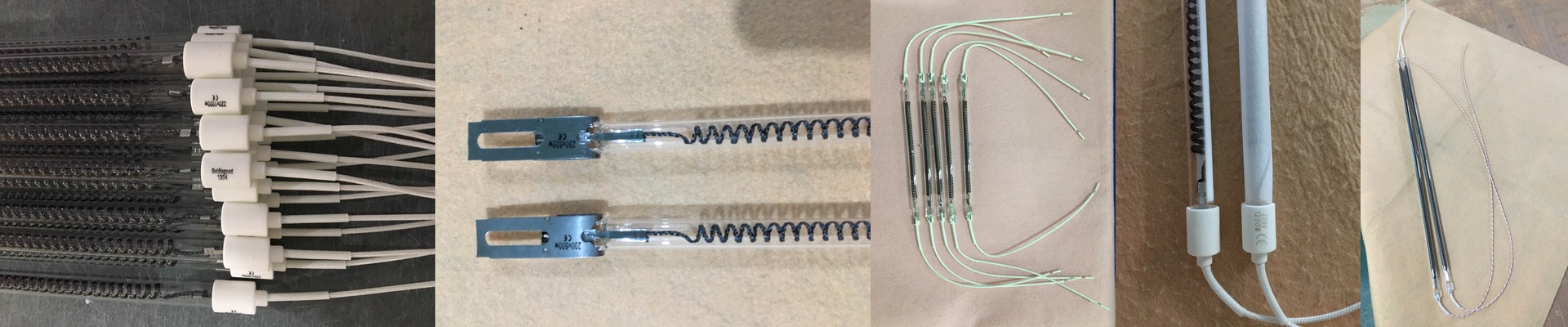
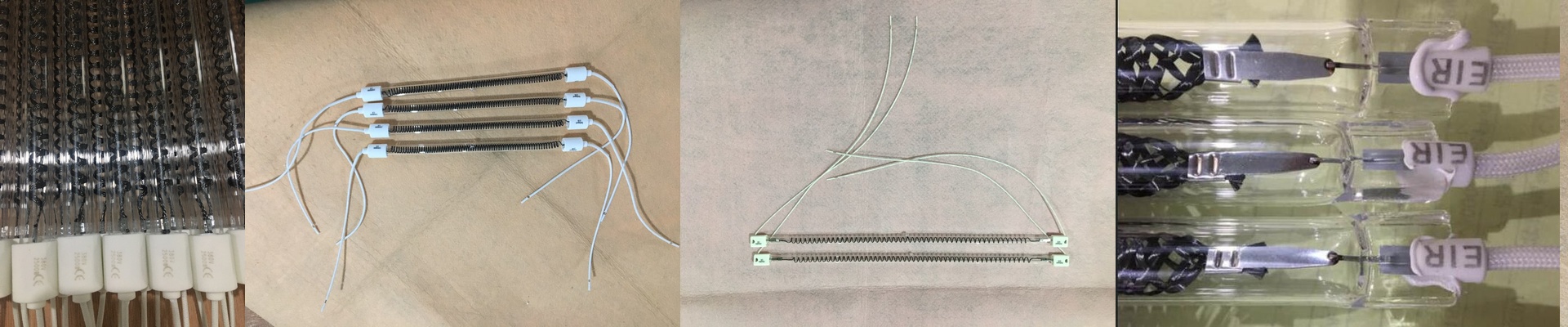
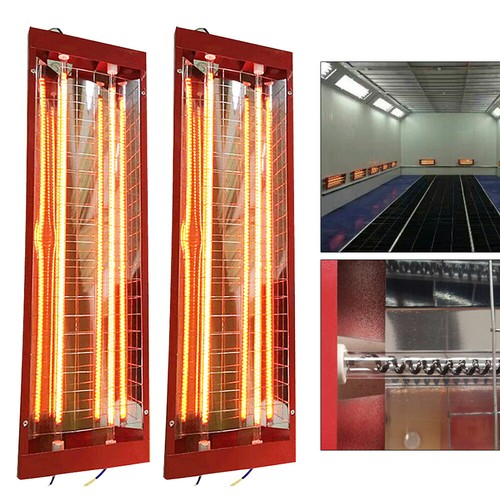
If you’re using shortwave infrared (IR) emitters to cure paint, you know the struggle. You’ve got a compact car in the booth one hour and a massive SUV the next. If your lamp layout is just a static grid, you’re asking for trouble. You’ll either end up with cold spots that ruin the finish or, worse, you’ll actually burn the paint on the smaller frames. The trick is to stop thinking about “even spacing” and start thinking about where the heat actually needs to go. Dealing with the Heat Map We don’t just slap lamps on a wall and call it a day. We look at the actual profile of the vehicle. For example, the lower part of the chassis is a heat sink—it loses warmth to the floor fast. To fix that, we pack more emitters into the bottom third of the wall. It keeps things consistent. When it comes to the tall stuff, we stretch the array upward. But here’s the secret: we leave gaps where the car’s body dips in. There’s no point in blasting heat at empty air. It saves energy and keeps your electrical panel from screaming for mercy. The Setup and the Spacing We house the tubes in reflective aluminum to push all that radiation straight forward. But distance is everything. If you move those lamps too close, you get “tiger striping”—those ugly, uneven lines in the cure. Not a good look. We set the spacing so the radiation cones overlap. It fills in the gaps so the heat is one smooth blanket. And a pro tip? Wire these into independent zones. That way, when you’re curing a low-profile coupe, you can just kill the power to the top rows. It saves a ton of electricity and means your lamps last way longer. The Trade-offs (The Part Most People Forget) Here is the catch: high-density IR walls pull a massive amount of current. If you cram too many 2kW tubes into a small space, the air in the booth gets stifling. It’s not just uncomfortable for the crew; it’s bad for the gear. If your ventilation can’t haul that excess heat out fast enough, the lamps will overheat at the ends and burn out way before they should. Get your airflow right, or you’re just wasting money on replacement tubes.