How to Stop Brake Squeal Using Infrared Curing
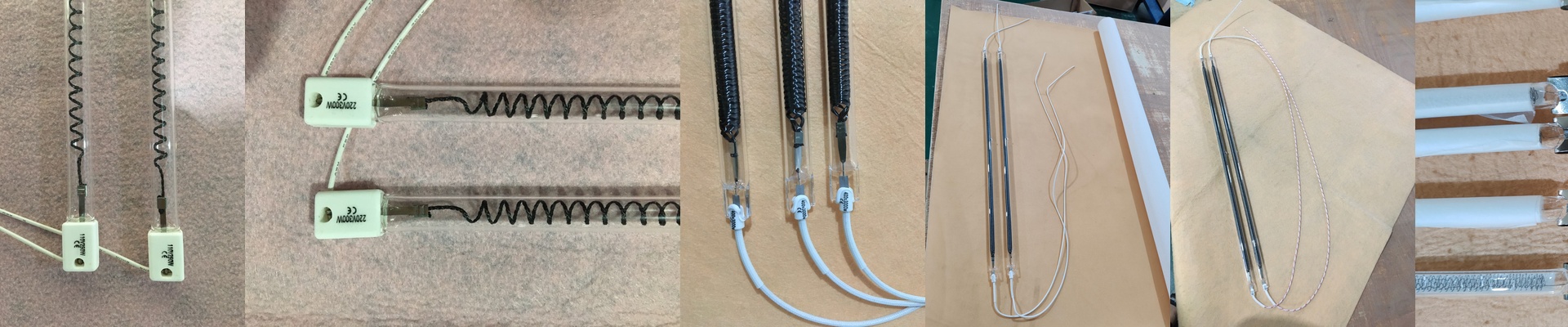
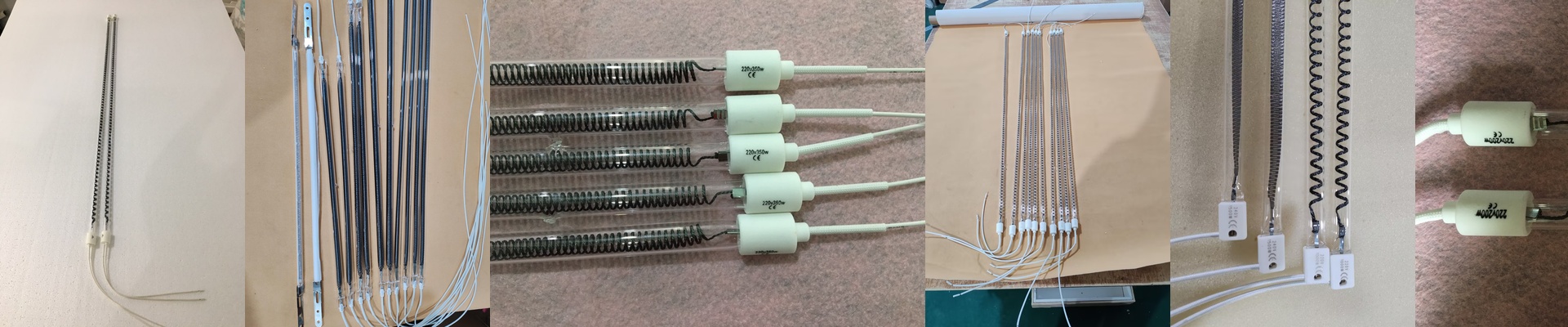
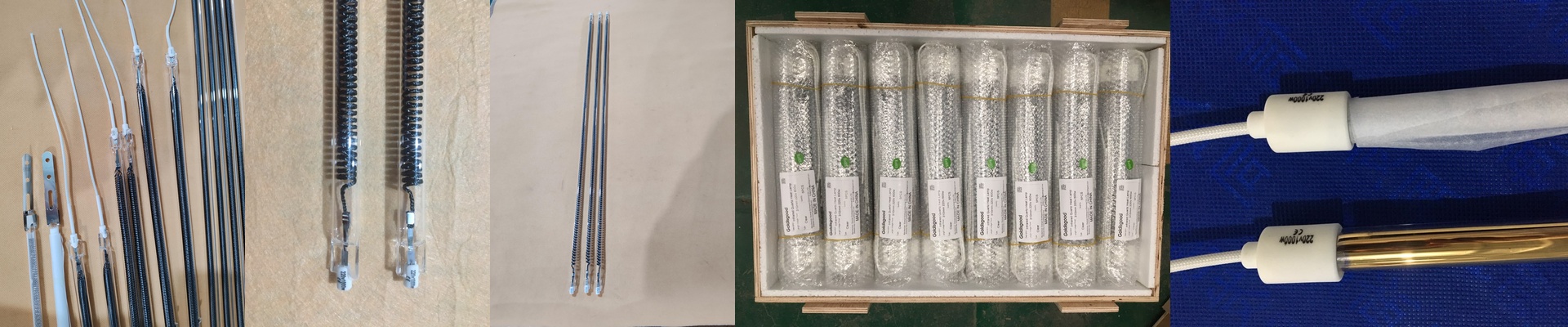
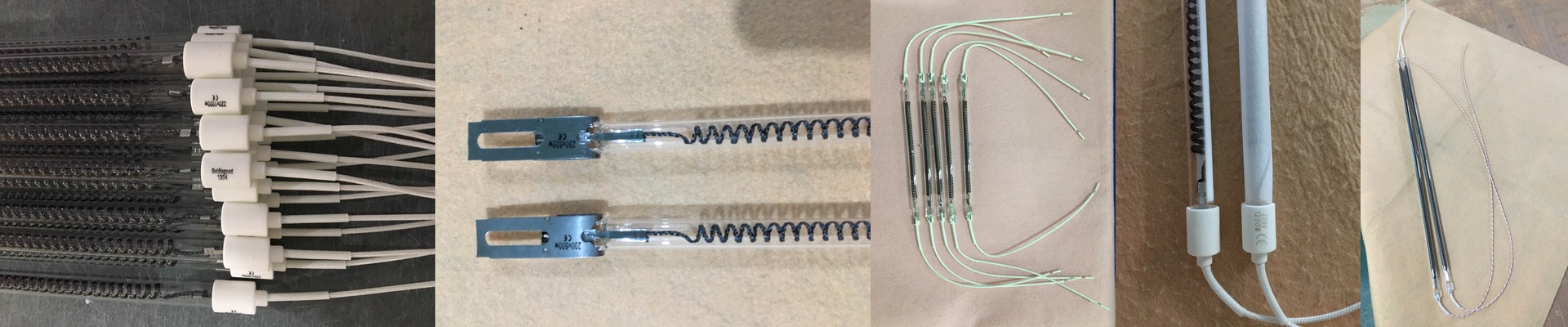
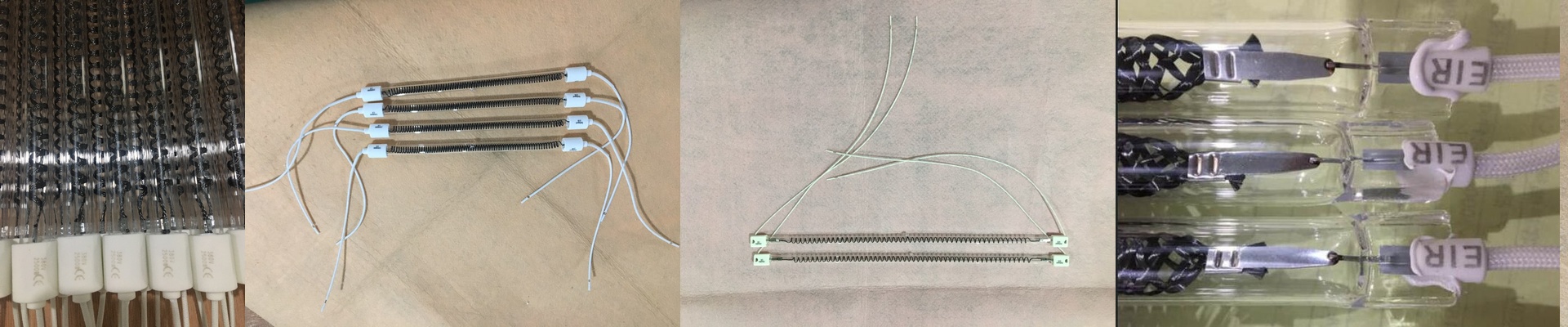
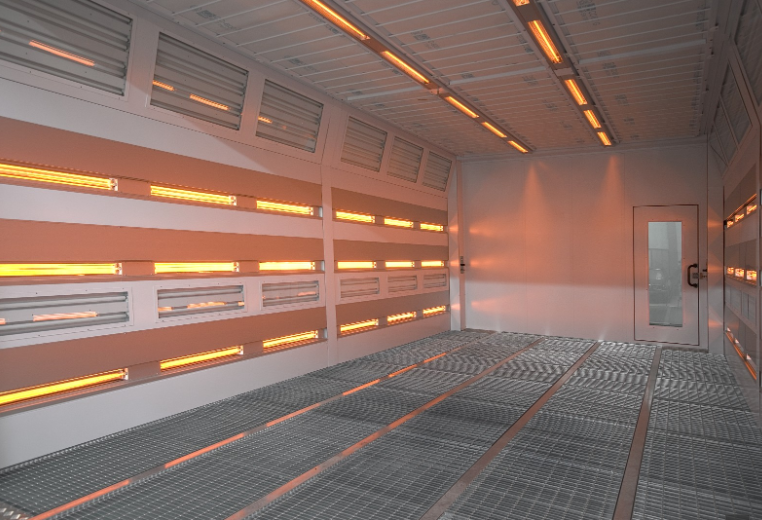
Nobody likes that high-pitched squeal when they hit the brakes. It’s annoying for the driver and a nightmare for the manufacturer. Most of the time, that noise happens because the friction material didn’t cure evenly. When the resin doesn’t bond properly, you end up with internal stress and little gaps in density. Those gaps cause vibrations. If you’re using a standard convection oven, you’re basically heating the outside and hoping for the best, which often leaves the core under-cured. We do things differently. We use short-wave infrared (IR) heaters. Getting into the core Here’s the thing about IR: it doesn’t waste time heating up the air around the part. It sends energy straight into the friction material. Because it’s short-wave, it digs deep into the bonding layer. It triggers the chemical reaction from the inside out, so the core hits the target temperature at the same time as the surface. You end up with a pad that’s solid and consistent all the way through. No gaps, no vibrations. The balancing act To make this work, we use high-wattage quartz lamps. You need that kind of raw power to push energy through dense metallic and ceramic fibers. But you can’t just crank the dial to ten. You have to balance the power with how fast your belt is moving. If you push too much wattage without adjusting the timing, you’ll scorch the surface before the middle is even set. It’s a bit of a dance. The trade-offs The upside? It’s fast. Really fast. It cuts your curing cycles down way more than a hot-air oven ever could. But there’s a catch. You have to be precise. If your lamps are off by just a few millimeters, or if your racking system sags, you’ll get “hot spots.” That leads to uneven curing, which leads right back to those annoying warranty claims for brake noise. Your conveyor needs to be rock solid. No sagging, no shortcuts.