Stop the Warp: Getting Automotive Interiors to Actually Stay Put
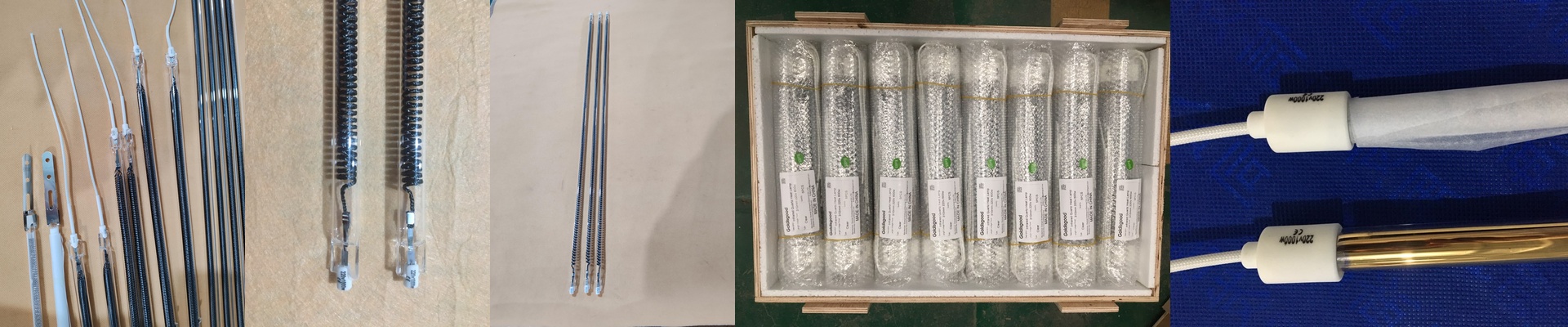
Ever pull a part out of the mold only to watch it slowly twist or spring back right in front of you? It’s frustrating. You’ve done the work, but because the material cooled unevenly or held onto some internal stress, the part just won’t sit still. We’ve found that the best way to kill that deformation is with high-temp infrared (IR) lamps, but there’s a catch: you can’t just blast the whole thing with heat. You need zonal control.
Why “One Size Fits All” Heating Fails
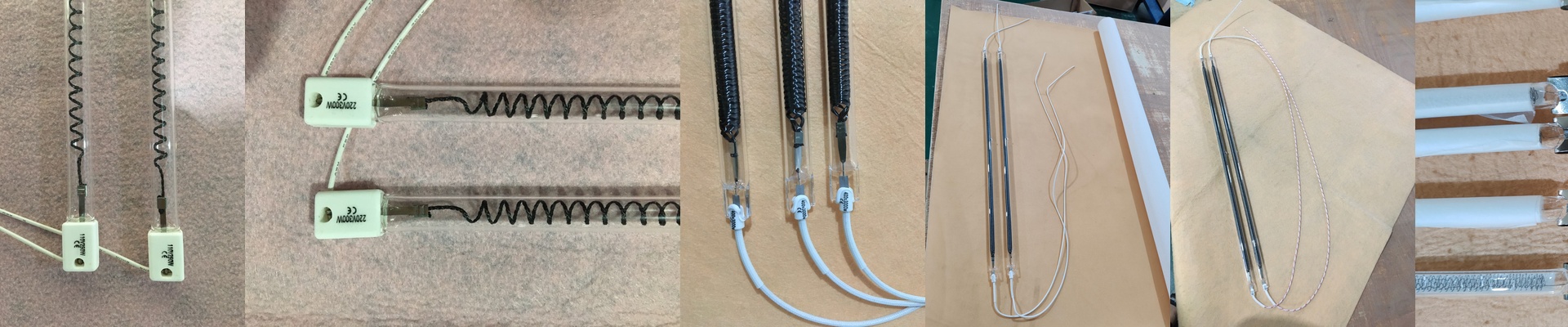
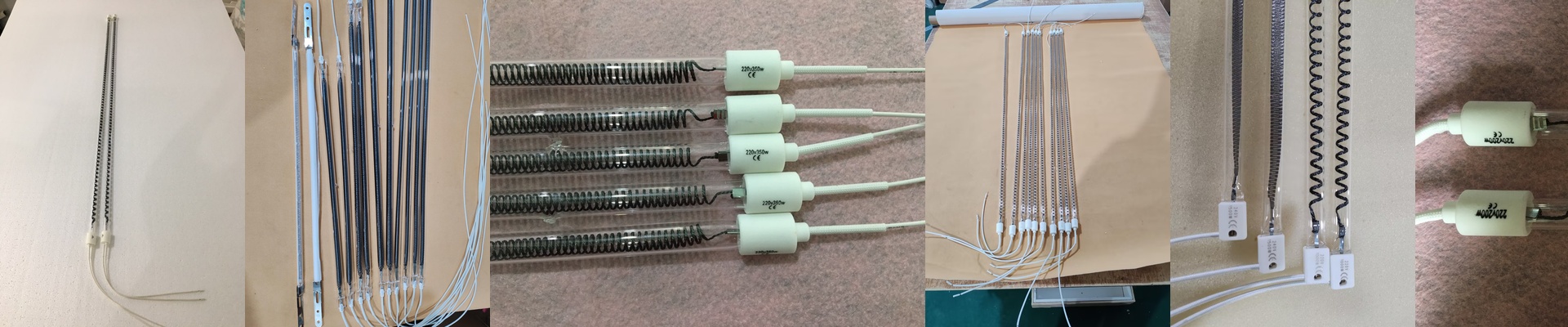
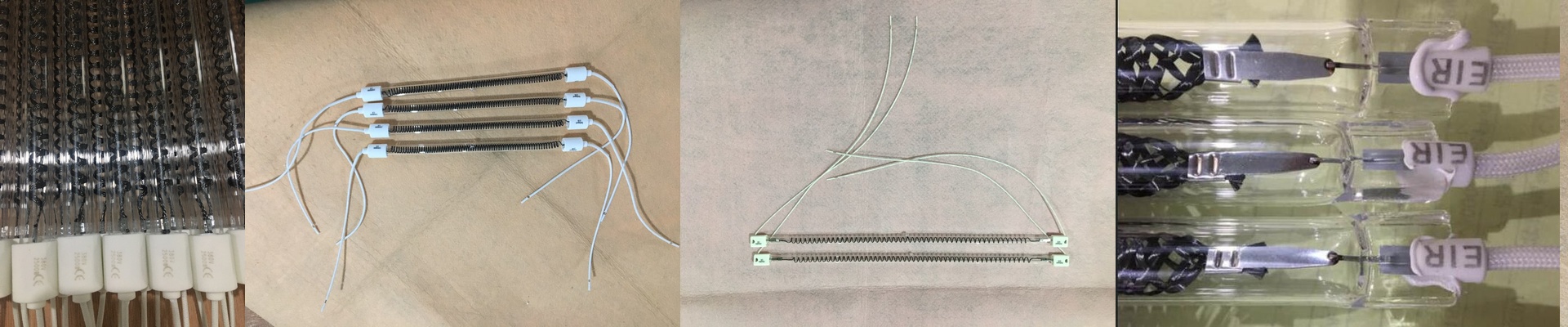
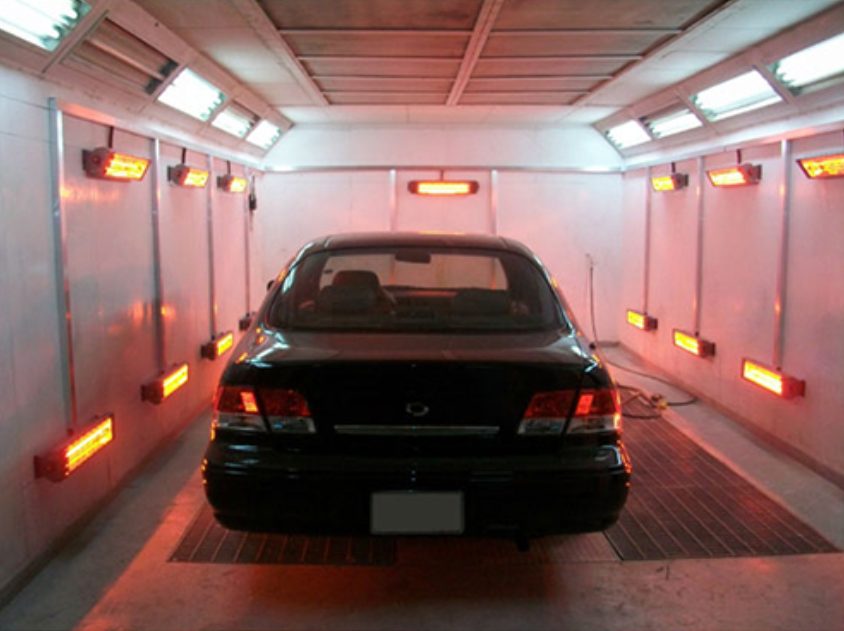
Here’s the problem with standard heating arrays. They usually cook the center of the part while the edges stay way too cold. That temperature gap is exactly what causes the warping the second the part leaves the mold. By splitting the heating array into independent zones, you can basically “paint” the heat exactly where the part needs it. We use shortwave IR emitters because they push heat deep into the polymer. It’s not just a surface tan; the core of the material actually hits the glass transition temperature. When the heat is balanced across the whole shape, the stress disappears. No stress, no warp.
The Gritty Details (and the Trade-offs)
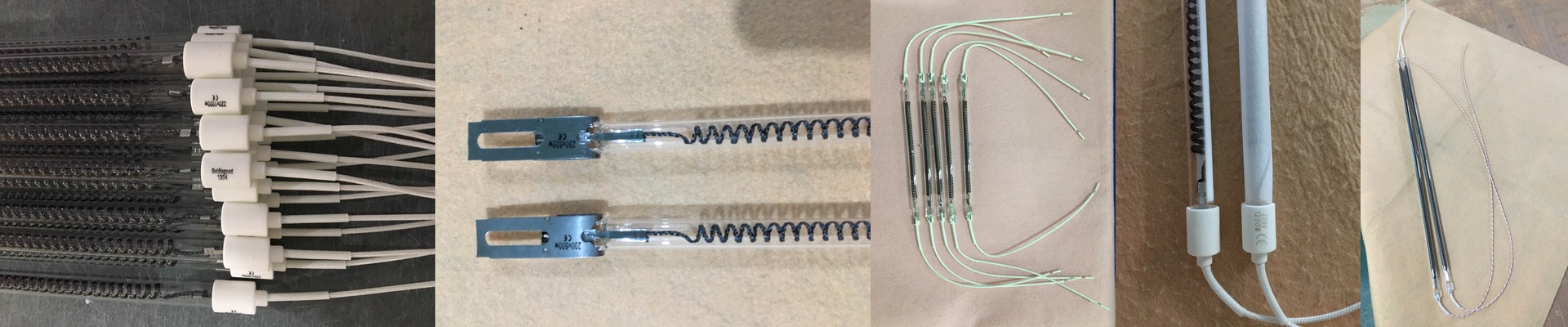
Now, you can’t just plug these into a basic power strip and hope for the best. To make this work, you need a dedicated PID controller for every bank of lamps. You also need pyrometers giving you real-time feedback so you can tweak the wattage on the fly. The upside? High-density IR lamps pack a massive punch in a tiny space. Your cycle times drop. Everything moves faster. But there’s a flip side. All that energy puts a huge strain on your cooling jigs. If your cooling system can’t pull heat out as fast as the lamps are shoving it in, you’ll get “heat soak.” And if that happens, those tight tolerances you worked so hard for? Gone.
Real-World Results
When you get the zonal control right, you can essentially “freeze” the part’s dimensions by managing how it cools across different thicknesses. It makes life on the shop floor a lot easier. You spend way less time trimming edges or tossing scrap into the bin. You finally get a part that actually looks like the CAD model it was supposed to be.