Let’s Talk Carbon Infrared Heaters
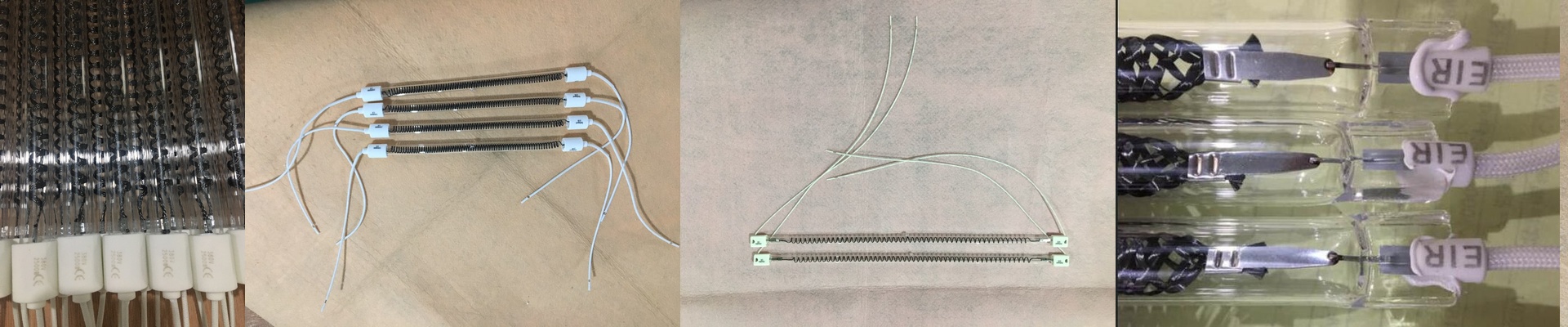
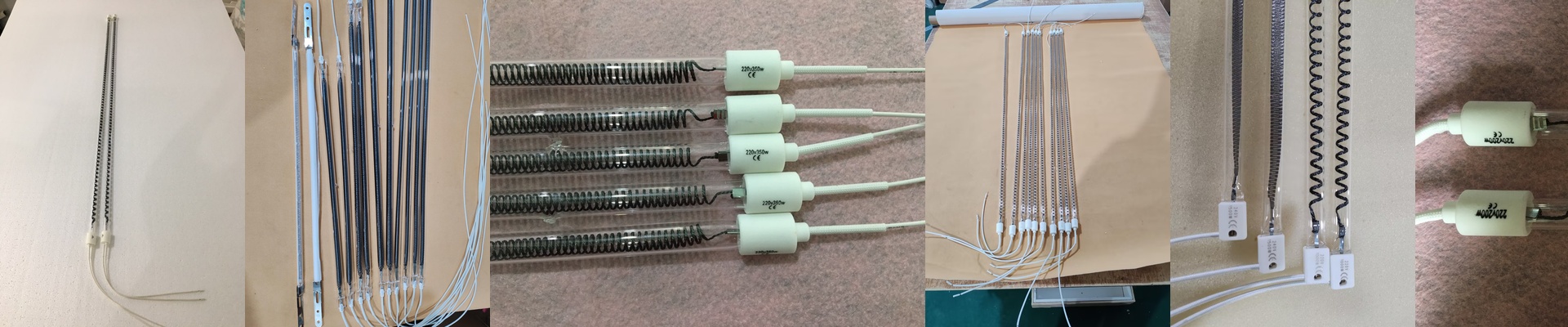
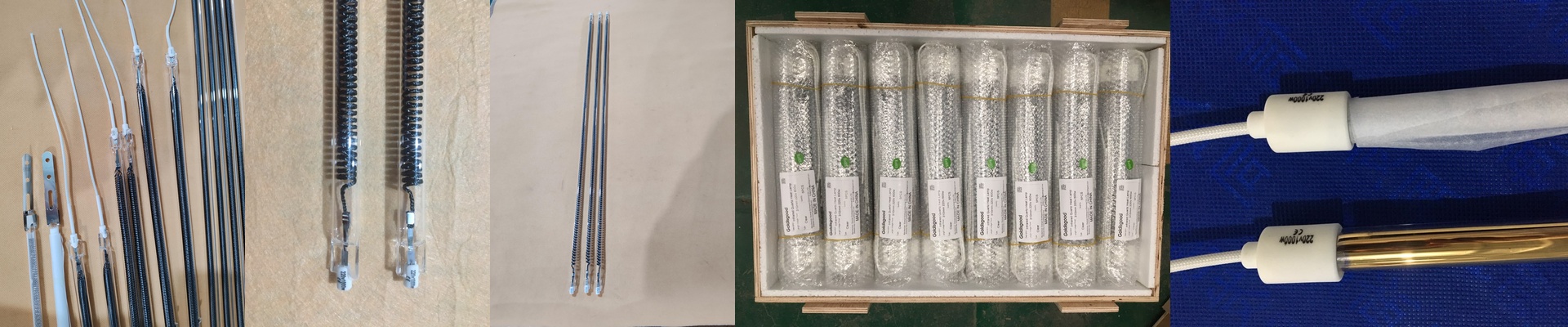
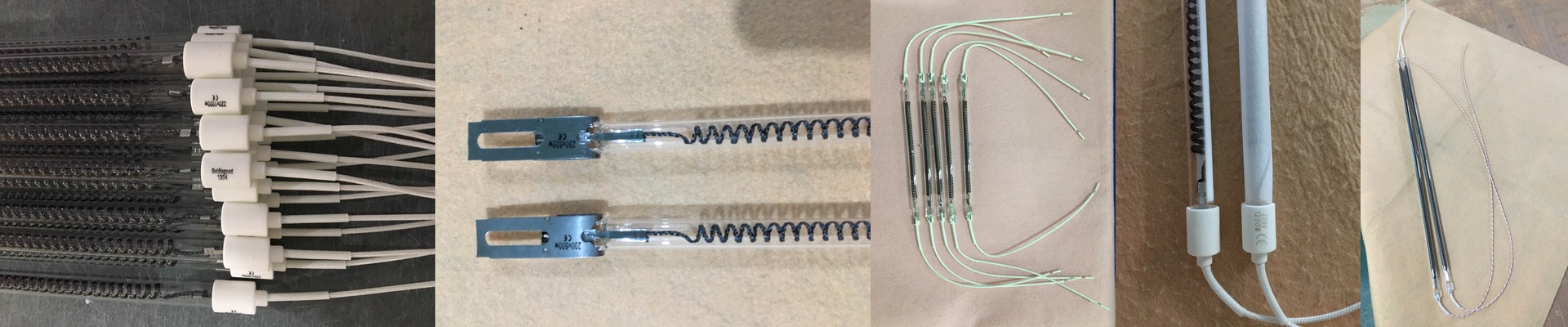
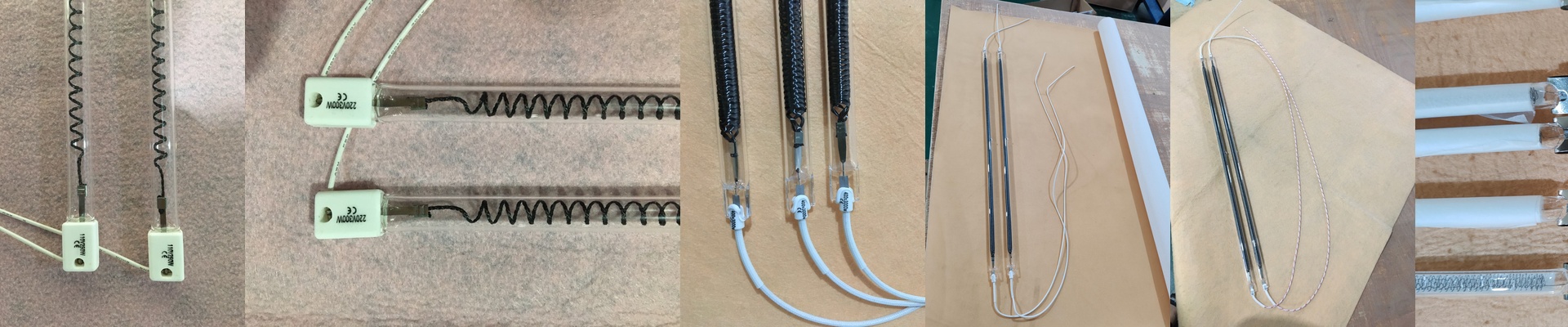
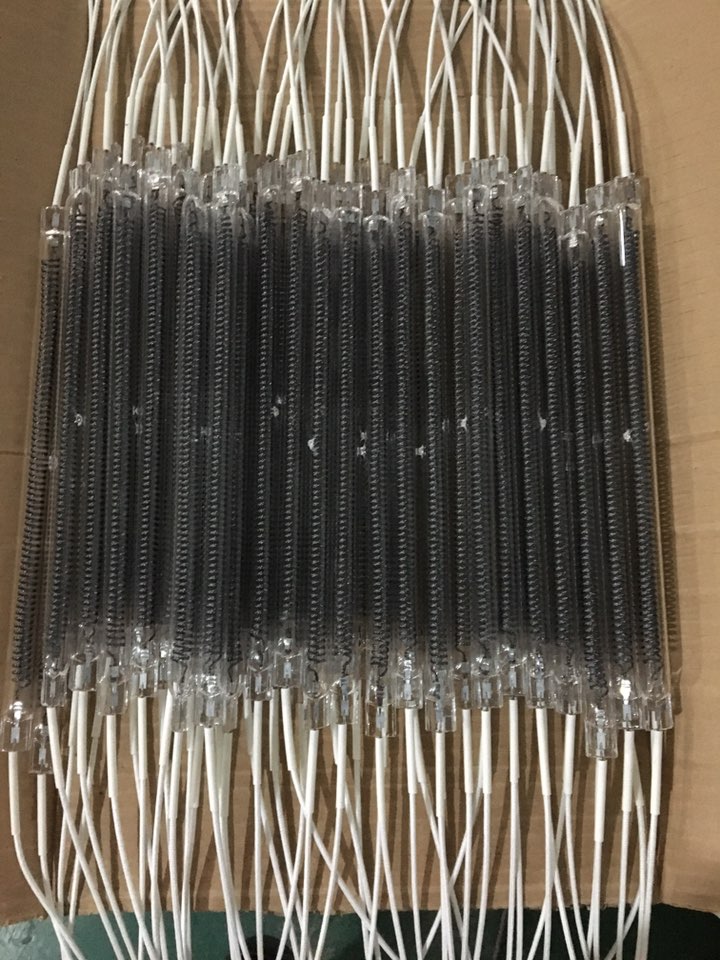
If you’ve ever used standard metal coils, you know they can be a bit sluggish. Carbon infrared heaters are a different beast. Instead of metal, we use a carbon-fiber filament tucked inside a quartz tube. Here is the cool part: they don’t need to get nearly as hot as metal to pump out a massive amount of infrared energy. This means they heat up fast. Really fast. You get a smaller footprint in your chamber and a much quicker ramp-up time. Getting the power right When we’re designing these, it’s all about the heat flux. If you go with a high-voltage setup—like a 400V lamp—you’re basically asking for maximum power density. It’s perfect for when you need to give your material an instant thermal shock. Just a heads-up: make sure your wiring and power supply can actually handle that load. If they can’t, you’re going to fry your terminals, and nobody wants to deal with that. The build and the fit The quartz tube isn’t just there for looks; it keeps the filament from oxidizing. Sometimes we add special coatings to the glass. This helps the target material soak up the heat more efficiently or tweaks the emission spectrum to fit your specific needs. For the connections, we stick with R7s or Sk15. I love these because they’re basically “plug and play.” You can swap a lamp out without having to tear apart your entire wiring loom. Plus, they hold tight, even in those shaky industrial environments where vibration is a constant. Real-world use (and the pitfalls) These are the gold standard for things like PET blowing or curing plastics where you need the surface hot in a matter of seconds. You’ll save a lot of energy compared to those old-school convection heaters that just waste heat into the air. But there is a catch. Because the heat is so concentrated, that quartz tube is fragile. It hates physical hits and it really hates grime. If you let oil or dust build up on the glass, you’ll get hot spots. Those hot spots will crack your tube, and then you’re buying a new one. Keep them clean. It’s the simplest way to make them last.