Stop wasting floor space on your curing ovens
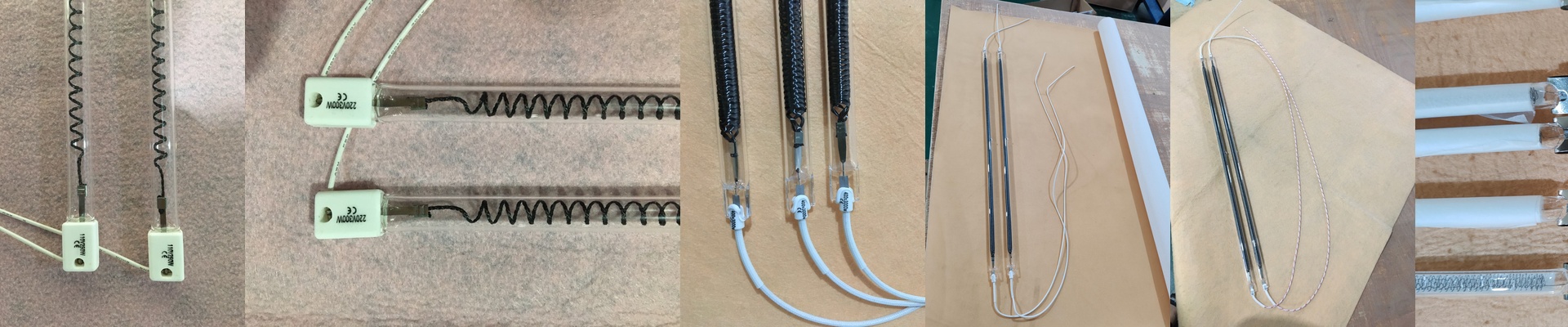
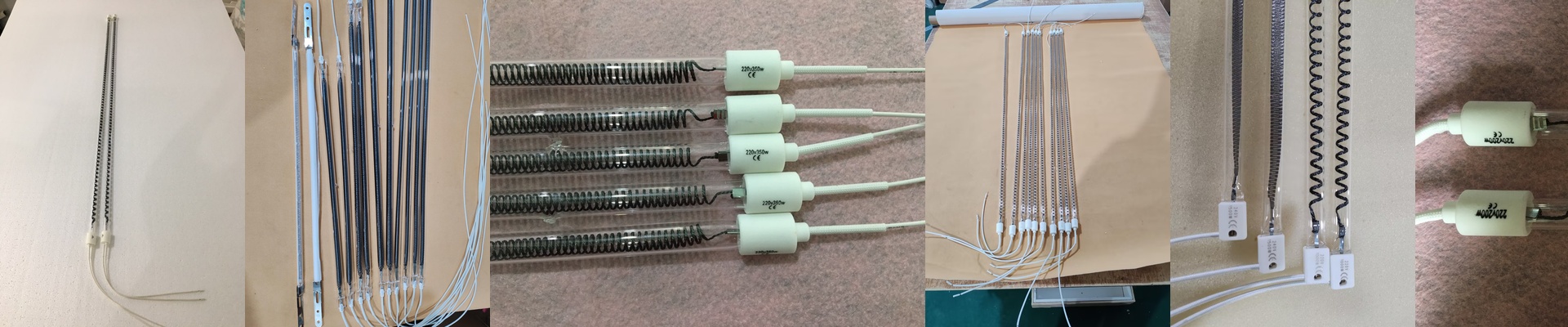
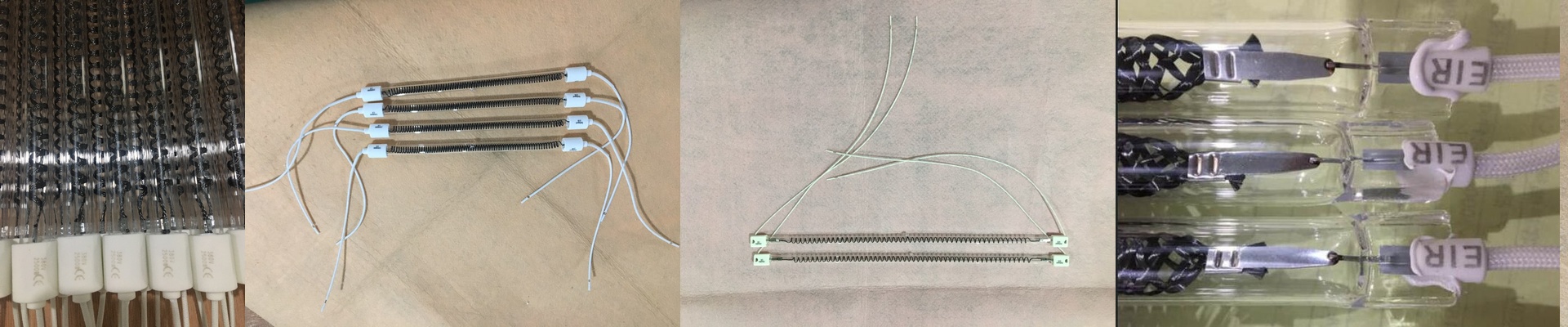
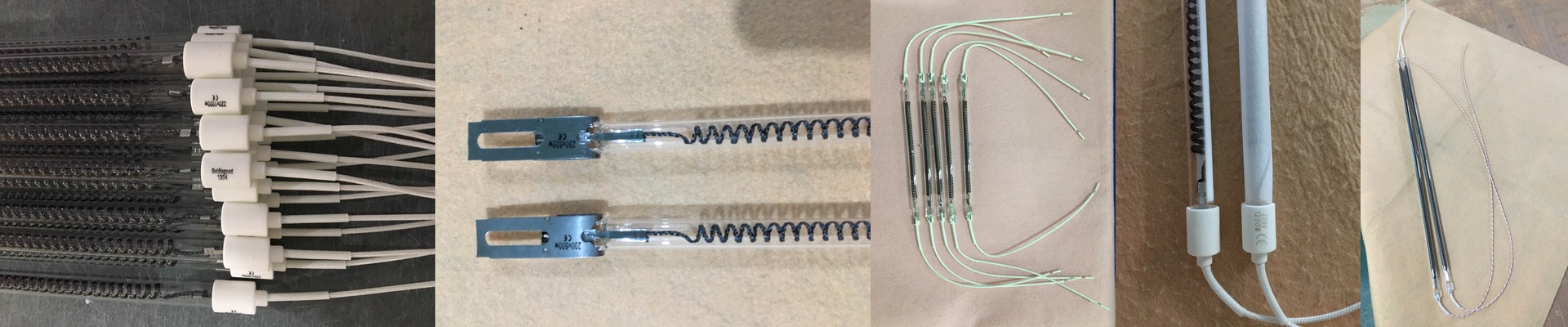
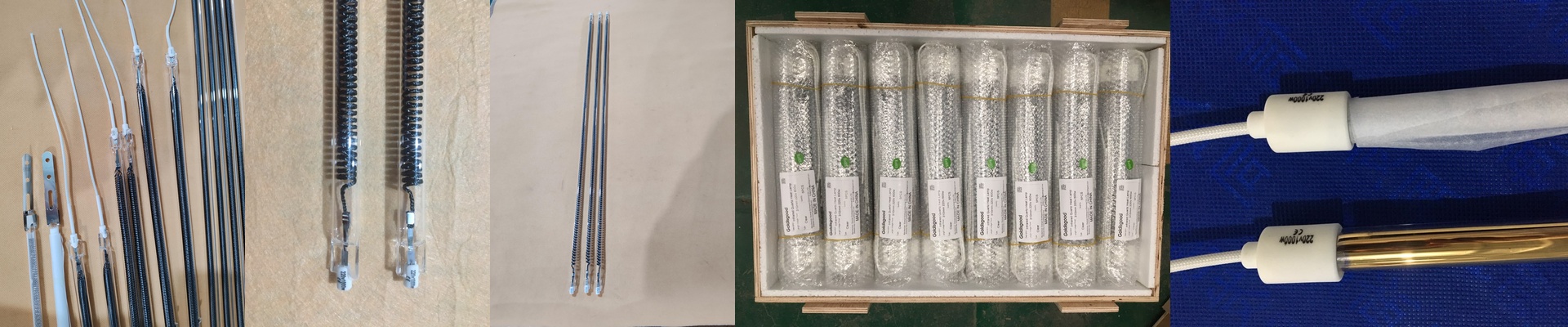
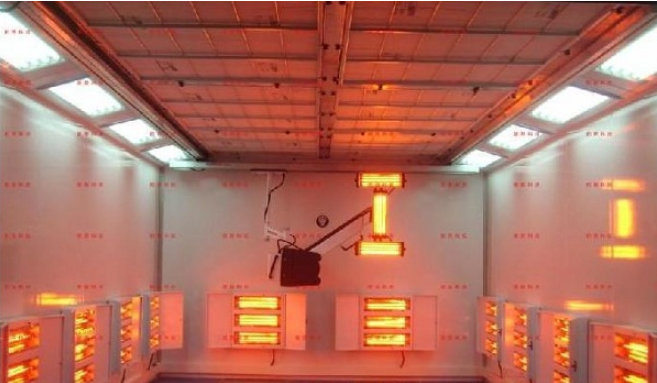
If you’re still using standard convection ovens for your brake pad coatings, you know the struggle. You end up with these massive, sprawling tunnels just to make sure the heat actually hits the core of the material. It eats up your factory floor and drags out your cycle times. It’s a headache. We’ve found a better way: ditch the hot air and move to shortwave infrared (IR) emitters. Why IR actually works Here’s the thing about convection—it has to heat the air first, and that’s slow. IR is different. It doesn’t mess around with the air; it goes straight through the coating and into the substrate. Because we use shortwave emitters, the energy density is way higher. The heat just soaks into the brake pad. You get the exact same chemical cure you’re used to, but you do it in a fraction of the distance. It’s fast. Really fast. Getting the setup right To really shrink that tunnel, you need to pack in the wattage. We usually go with quartz-halogen tubes designed for high voltage. This keeps everything stable, even across long banks of heaters. When you cram more kilowatts into a smaller spot, the heat flux jumps. But you have to be careful with your timing. Your conveyor speed and IR intensity need to be perfectly in sync. If the pads crawl too slowly? You’ll scorch the coating. Too fast? The center stays wet. It’s a balancing act. The messy parts of engineering Putting this much heat in one place puts a lot of stress on the oven housing. You can’t just use some cheap insulation and hope for the best. We always suggest reinforced reflective liners. They bounce those stray IR waves back onto the pads where they belong. Also, keep an eye on your power. These high-power banks pull a lot of current, so make sure your wiring and panels can handle that initial surge when the system kicks in. The result When you make the switch, you can usually chop your tunnel length by 30% to 50%. That means you’re pushing more pads out the door every hour without having to move a single wall of your factory. If you’re still running those old gas-fired ovens, this is a straightforward swap that just makes sense.