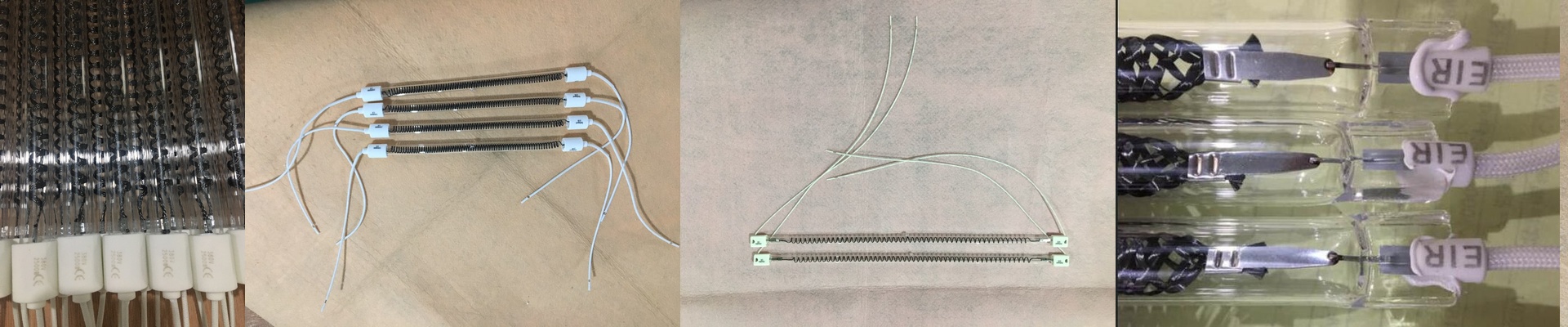

Getting Your Brake Pad Curing Right
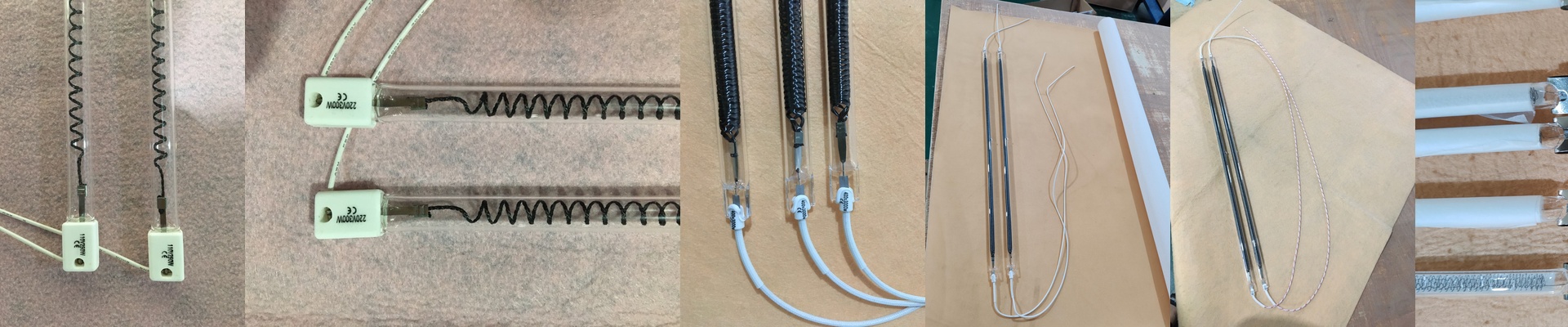
When you’re curing brake pads, temperature drift is a nightmare. Simple as that. If your power fluctuates even a little, the resin doesn’t polymerize evenly. Then you’re stuck with inconsistent friction coefficients and a pile of rejected batches that cost you money. We build our infrared modules to stop those swings cold, even when you’re running 24/7.
Keeping the Heat Steady
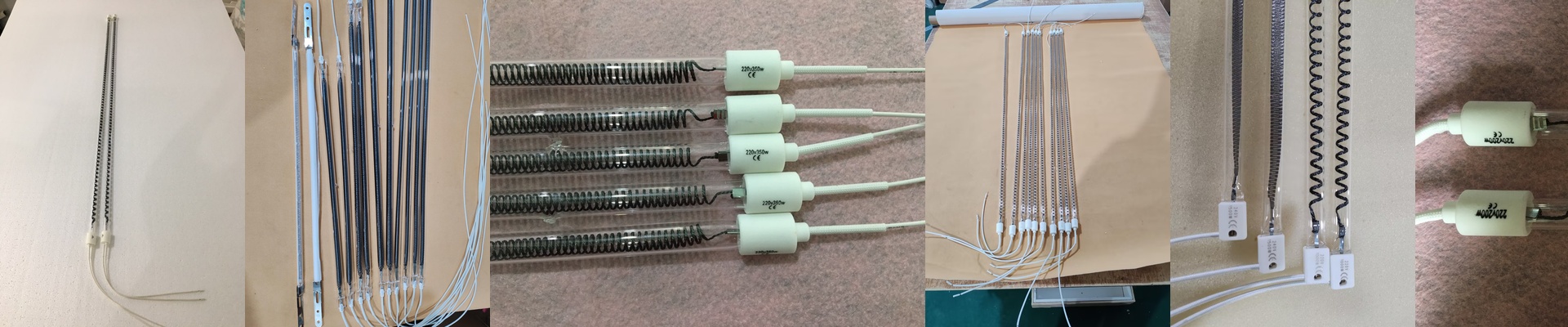
To keep the power output flat, we obsess over the electrical load and the thermal mass of the heating element. We use high-grade quartz envelopes because they don’t warp under constant heat. Here’s the thing: when a line runs around the clock, thermal fatigue is your biggest enemy. We spec our filaments to run well below their melting point. Why? Because that prevents “sagging.” Once a filament sags, you get hotspots, and your curing becomes a guessing game. We also use precision-wound coils so the wattage stays the same from one end of the tube to the other. But a quick heads-up—if you’re packing high wattage into a small space, check your control cabinet. If the ventilation is poor, you’ll trip breakers or watch your PID settings drift. It’s a common headache that’s easy to fix.
Built for the Shop Floor, Not a Lab
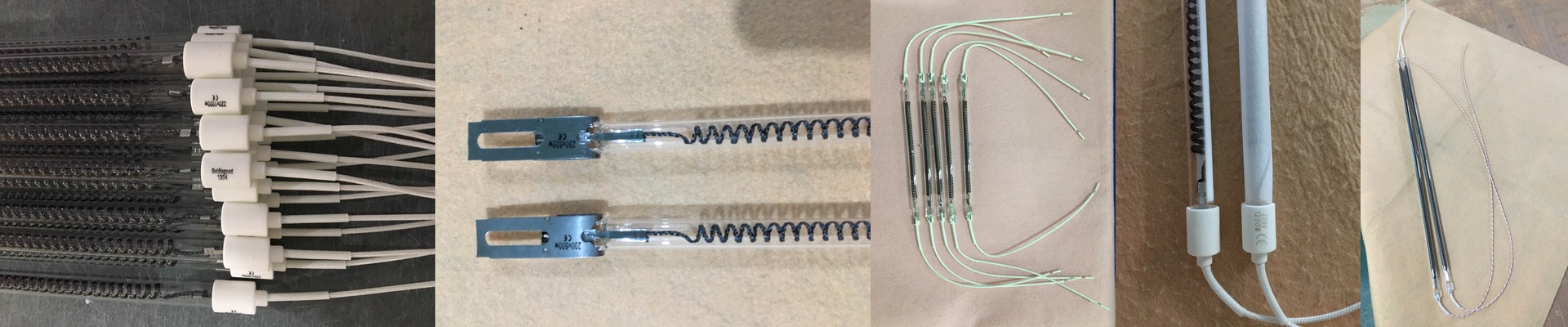
We don’t design these for a clean room. We design them for the grit of a real factory. That means heavy-duty connectors that won’t oxidize or shake loose while the conveyor is humming along. We also put a lot of thought into the seals. Brake dust and metallic particles love to sneak into electrical contacts, and we’ve made sure they stay out. There’s always a trade-off between heat density and how long a lamp lasts. Sure, you can push a lamp to the absolute limit to get faster cure times, but then you’re replacing tubes every couple of weeks. That’s a pain. We calibrate the wattage to hit your target temperature while keeping the replacement cycle predictable.
Swapping Parts and Real-World Use
These modules are basically drop-in replacements. We kept the wiring simple so your team can swap out a burnt-out tube quickly without having to tear down the whole line. Just one tip: make sure your voltage supply is stable. If your plant power spikes, it doesn’t matter how high the quality of the lamp is—the filament is going to snap. Keep your power clean, and these modules will do the heavy lifting for you.