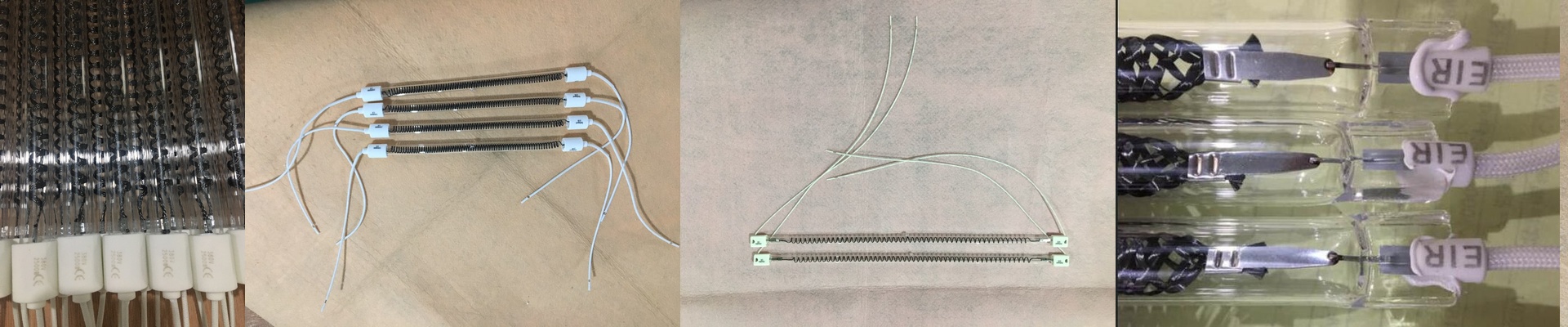
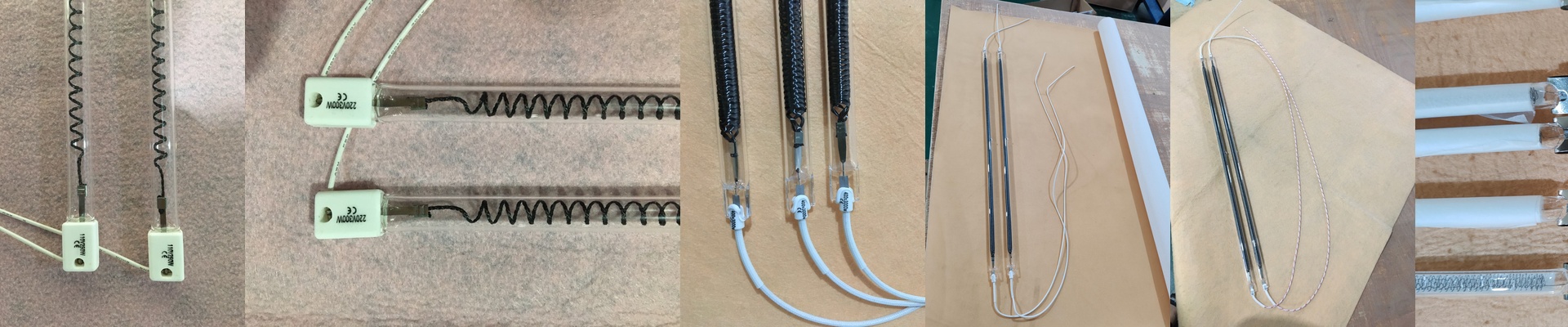
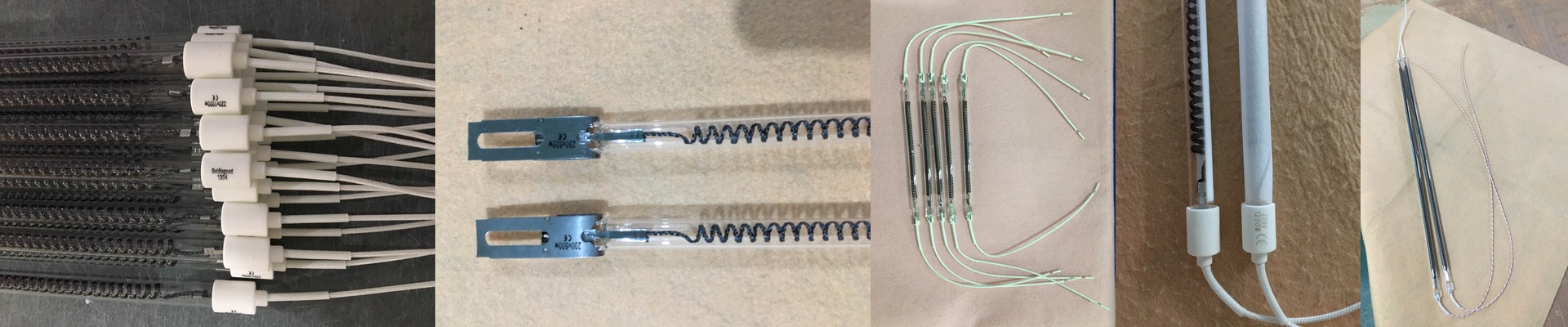
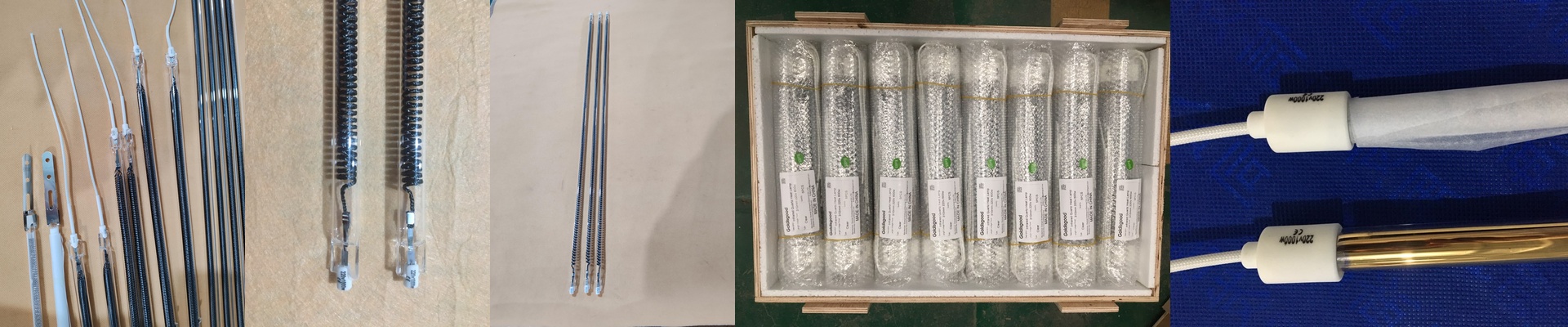
Ever wonder why brake pads squeal? It usually comes down to how they’re cured. In a lot of standard ovens, the heat only hits the “skin” of the material. The surface hardens too quickly, trapping gases and volatiles inside. This creates a mess of internal stress and uneven density. Basically, you’ve got a hard shell and a core that isn’t quite right. That’s where the noise comes from. Getting the heat deep inside Air is a terrible conductor of heat. That’s why standard convection often fails here. But infrared (IR) is a different beast. Instead of waiting for the heat to soak in from the outside, short-wave IR radiation punches right through the material. It gets the molecules moving throughout the entire thickness of the pad all at once. The core cures at the same speed as the surface. The result? A uniform pad. No trapped gases. No warping. Just a solid, stable piece of hardware. Finding the sweet spot You can’t just blast it with heat and hope for the best. To make this work, you need high-wattage IR emitters positioned just right to cover everything. It’s a bit of a balancing act. If you push the wattage too hard without watching the clock, you’ll scorch the organic binders. You want enough energy to penetrate the core, but not so much that you burn the edges to a crisp. Making it work on the shop floor When you’re wiring this into your line, you need a rock-solid power supply. If your power flickers, your temperatures swing, and you’re back to square one. I always suggest a closed-loop PID controller paired with a pyrometer. It lets you keep an eye on the actual surface temperature of the pads in real-time. No guessing. And here’s the best part: the footprint is tiny compared to those massive gas ovens. There is a catch, though. Your electricity bill will take a hit. IR is faster and way more precise, but it draws a lot of power. Just make sure your electrical panels can handle the load when all those lamps kick in at once. Once you’ve dialed in your ramp-up and soak times, the magic happens. The material stays chemically stable from the center to the surface, and those annoying customer complaints about brake noise usually just… stop.