Dealing with Spring-back in Car Interiors
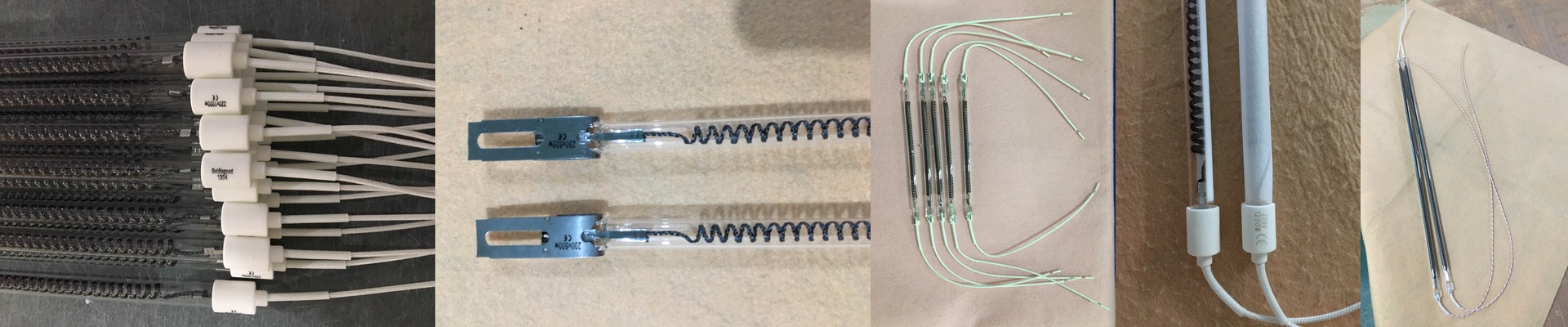
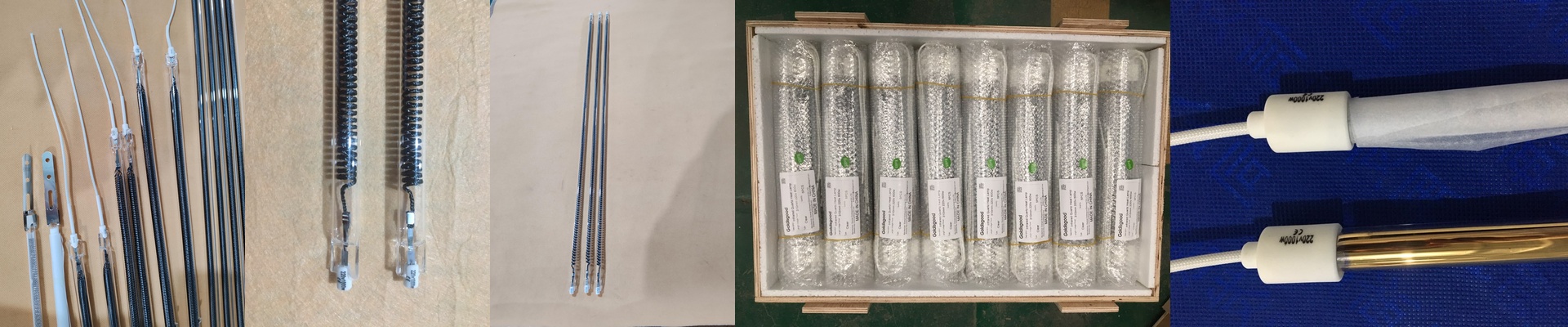
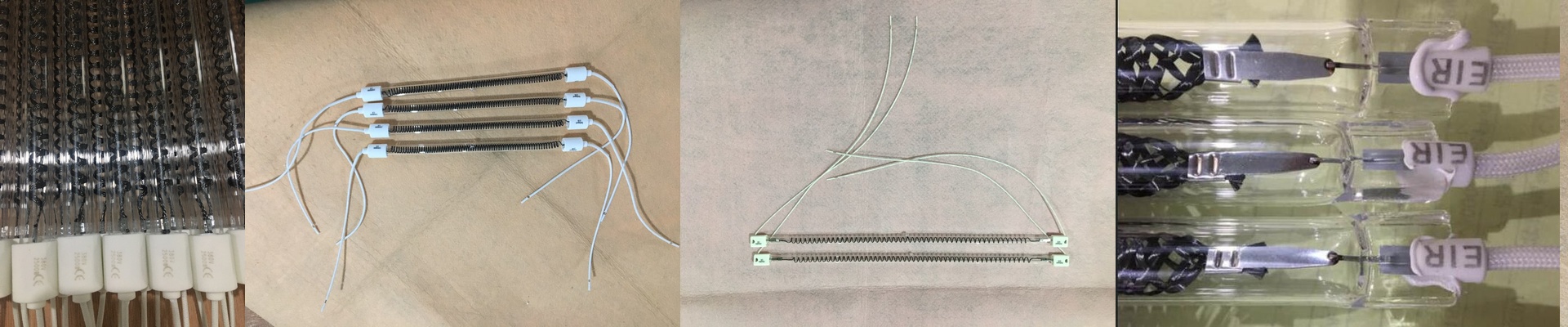
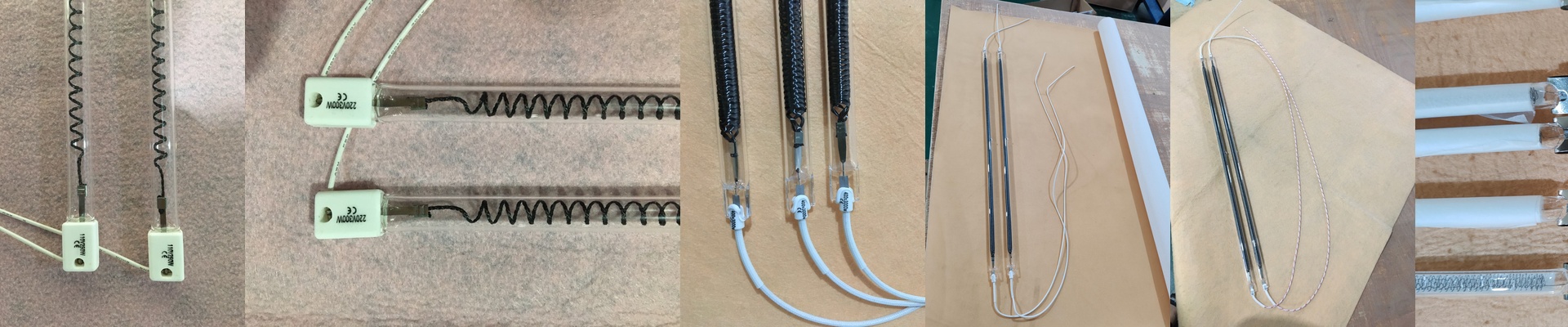
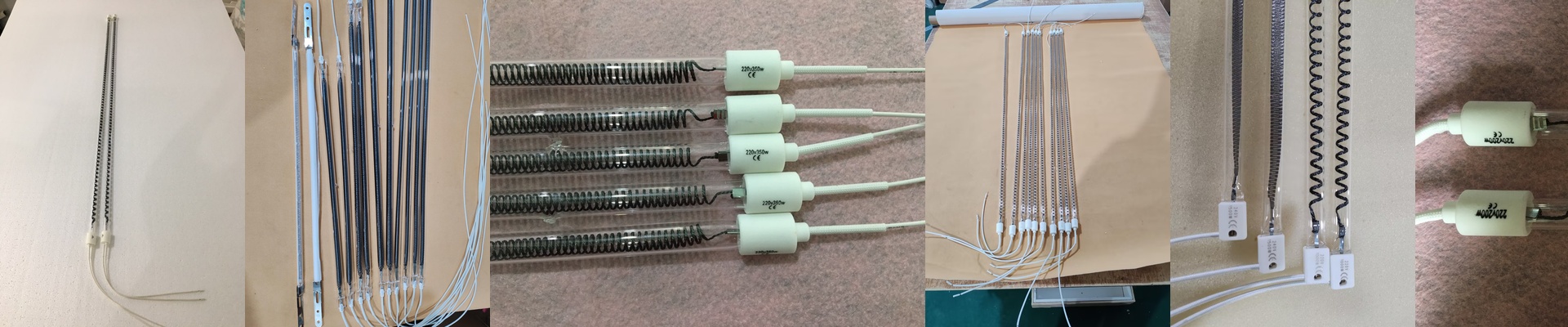
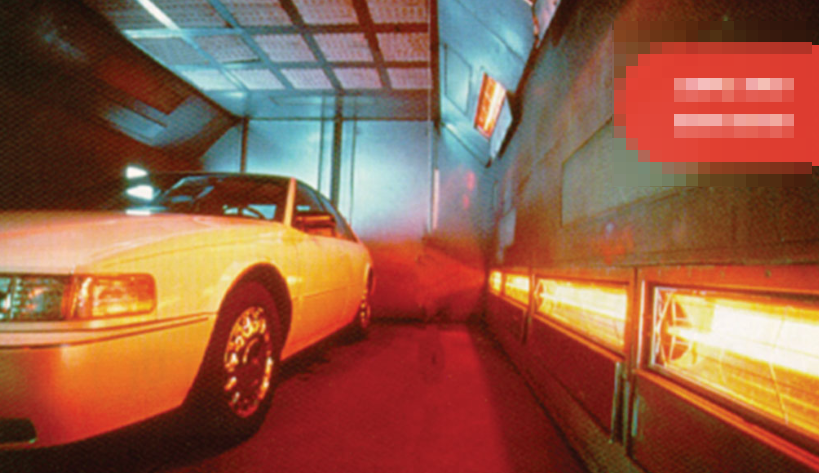
Ever pull a part out of a thermoforming mold only to watch it warp right in front of you? It’s frustrating. That “spring-back” happens because the material is still holding onto internal stress from the heating cycle. It basically wants to go back to its old shape, and it’ll fight you to do it. The secret to stopping this is all about how you handle the heat. Stop treating the part like one big block. Instead of just blasting the whole thing with heat, we use IR zoning. Think of it like a dimmer switch for different areas of your part. You can crank up the energy for the thick, chunky sections and dial it way down for the thin edges. When the heat is balanced across the whole piece, you don’t get that uneven shrinkage. No shrinkage, no warping. Simple. It’s really about managing the “memory” of the plastic. IR radiation gets deep into the polymer chains, letting those molecules finally relax. By hitting the high-stress spots with targeted heat, you essentially lock the shape in place. Once it leaves the mold, there’s no internal tension left to pull the part out of spec. It just stays put. But, there are a few things to watch out for. High-intensity IR arrays are great for speed, but they’re power-hungry. If you’re running a bunch of high-wattage zones, make sure your control panels can actually handle the current. Otherwise, you’ll be spending your afternoon resetting tripped breakers. And keep an eye on your spacing. If the lamps are too close, you’ll scorch the surface. Too far, and you lose the heat density you need to kill that internal stress. My advice? Wire everything into a PID controller. It keeps the temperature steady and stops those annoying hot spots from ruining a clean interior finish.