Getting the Heat Right When Curing Brake Pads
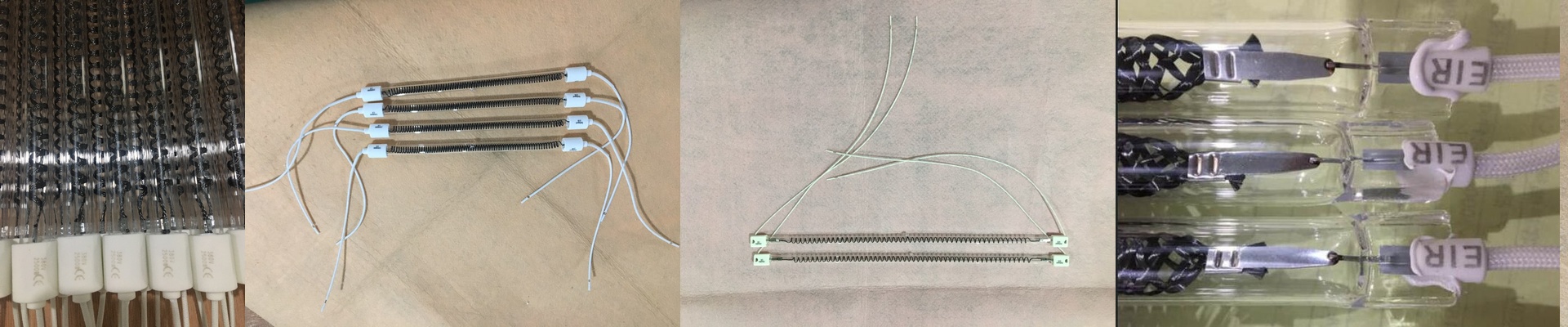
Curing brake pads is a bit of a balancing act. If you crank the heat too quickly, the organic binders basically panic. They volatilize way too fast, trapping gas bubbles inside the friction material and leaving you with a porous, weak pad. Even worse? Uneven heat. That’s how you get internal stress and those annoying thermal cracks. We found that the old way—standard convection—just doesn’t cut it. That’s why we switched to precision short-wave infrared (IR) heating.
Why IR Actually Works
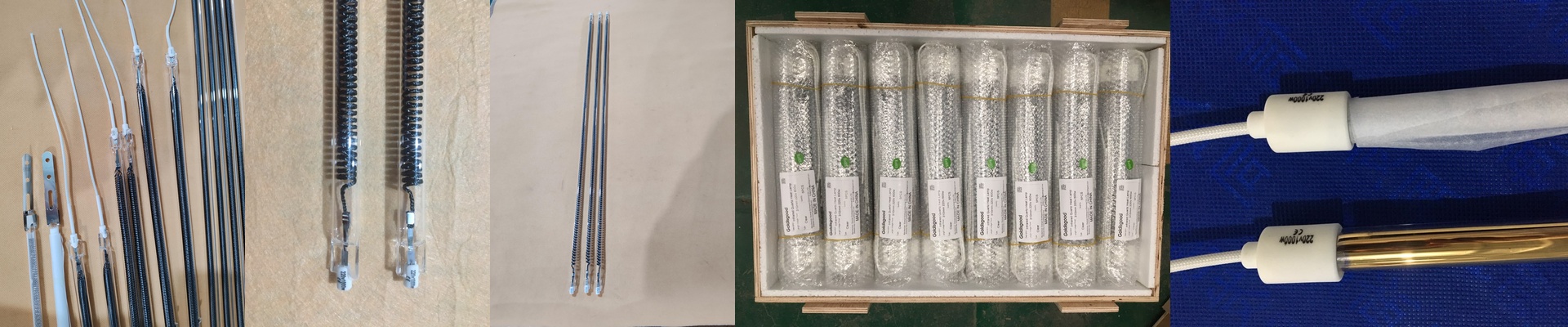
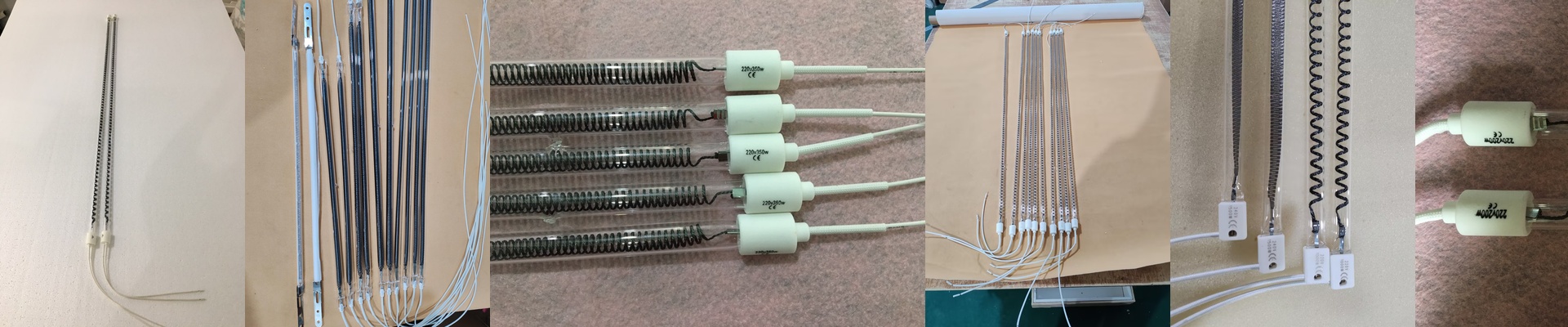
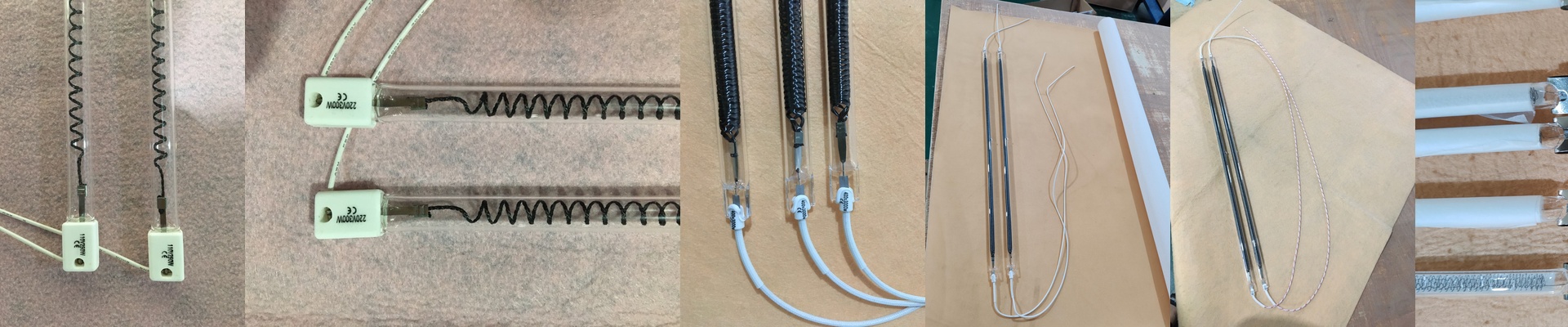
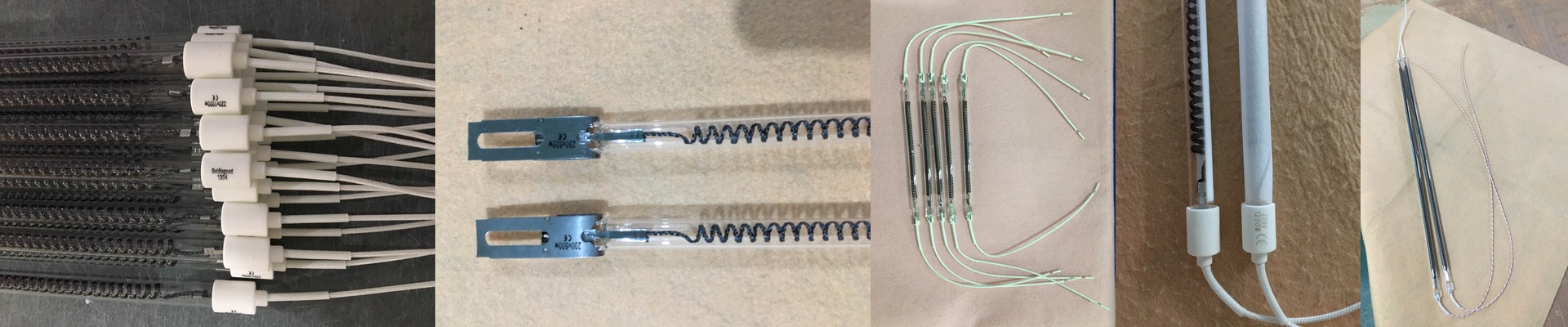
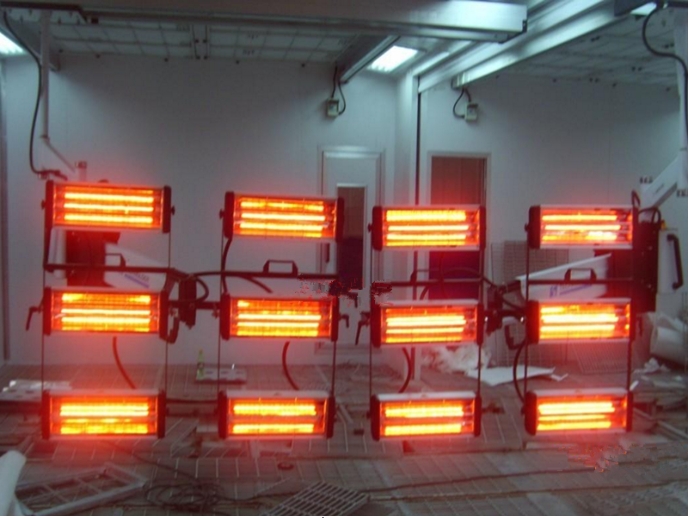
Here’s the thing: hot air mostly just hits the surface. But IR radiation actually sinks into the pad. We use high-density quartz halogen emitters so the core of the pad heats up at the same speed as the outside. It stops that “skin effect” where the exterior hardens into a shell while the inside is still wet. When the IR wavelength matches the resin’s absorption spectrum, everything cures evenly. No more cracking. Simple as that.
Don’t Just Blast It
You might be tempted to just throw maximum wattage at the parts, but don’t. If the heat flux is too high without a proper ramp-down, the binders will literally boil over. We set up our heating elements with multi-zone control for a reason. It lets you tweak the power density as the pads move through the oven, giving the solvents time to evaporate before the final cross-linking happens.
The Gritty Details (Hardware)
High-wattage IR lamps are great for throughput, but they’re hungry. They put a massive load on your electrical panels. Just make sure your wiring and contactors can handle that initial inrush current—halogen lamps hit hard when they kick on. And keep an eye on your cooling fans. If they fail, the lamp reflectors can warp. Once that happens, your focal point shifts, you get hot spots, and your pads are ruined. One last tip: keep those reflectors clean. A bit of dust might not seem like a big deal, but it kills the emissivity and throws your whole cure off balance.