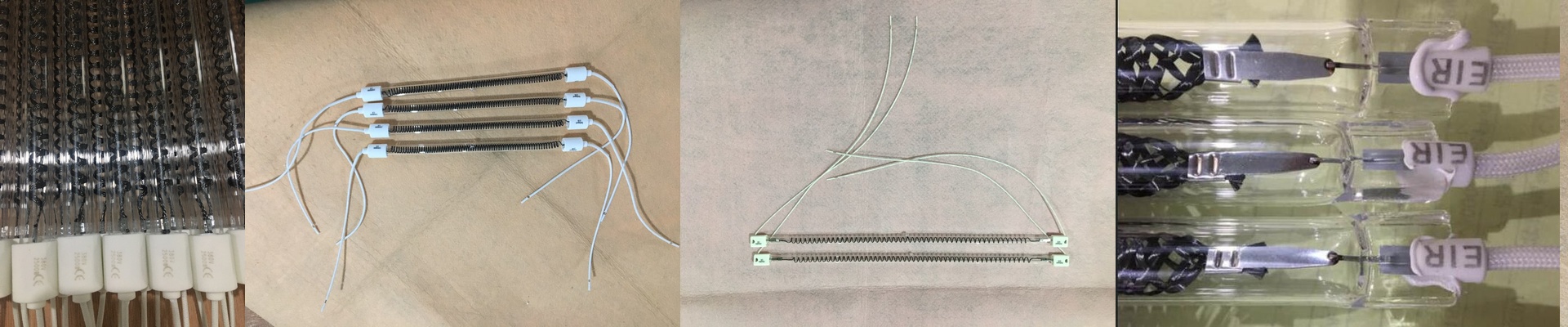
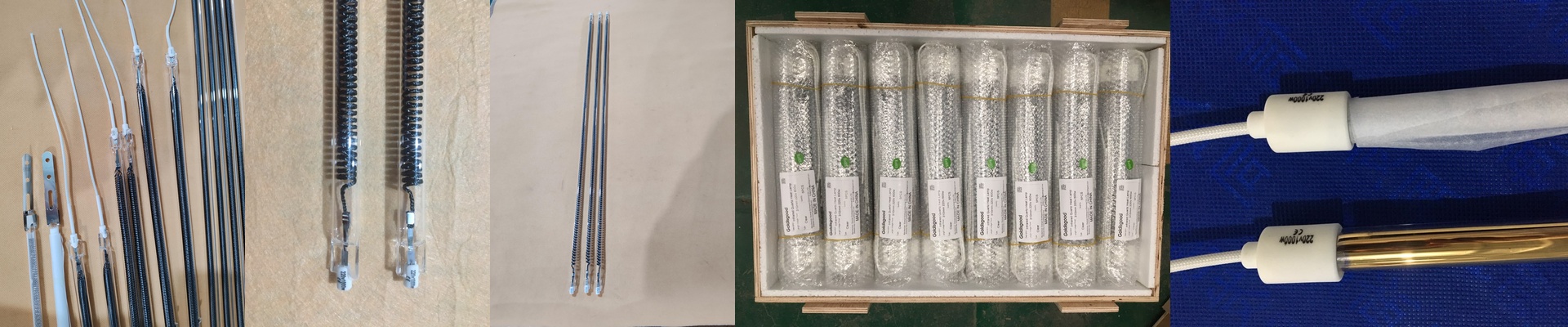
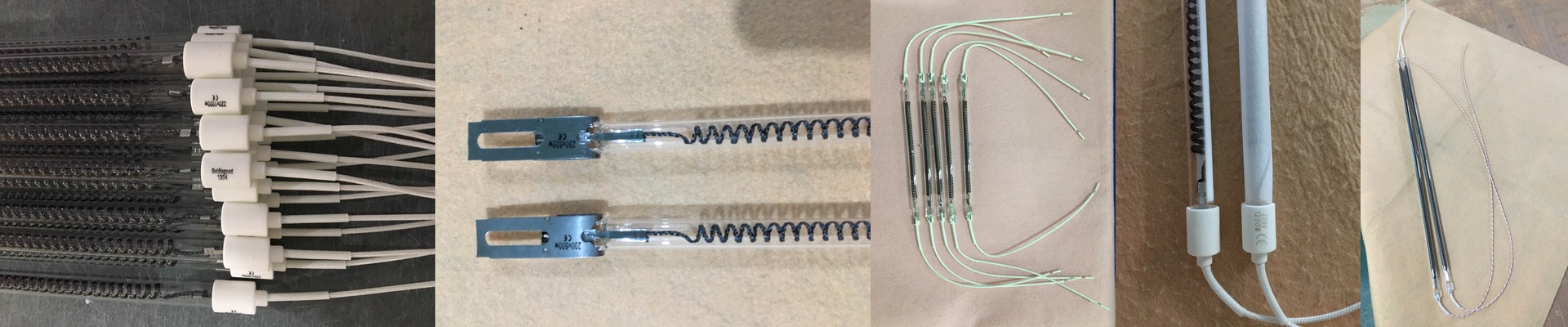
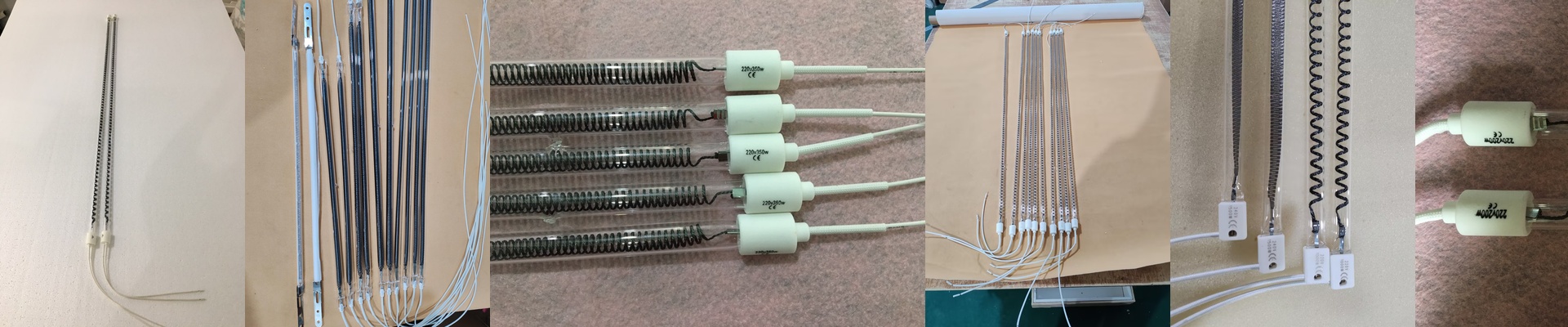
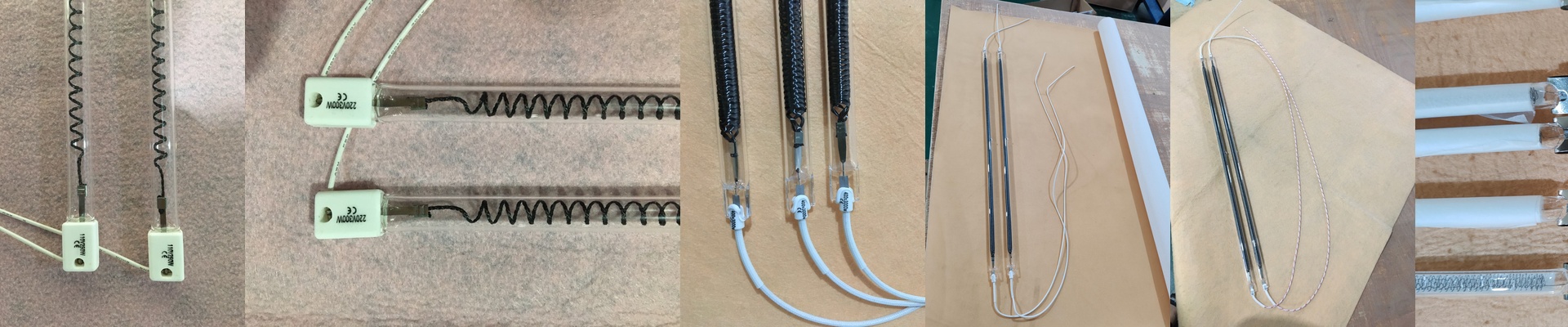

That annoying brake squeal? It usually starts way before the pads ever hit a car. It starts in the curing oven. Here’s the deal: when friction materials don’t cure evenly, you end up with internal stress and weird spots of density. That’s what causes those vibrations when you hit the brakes. Most standard convection ovens just blow hot air around, heating the pad from the outside in. You end up with a surface that’s over-baked while the core is still under-cured. Not a great recipe for a quiet ride. Getting deep into the material We do things differently. We use shortwave infrared (IR) elements to get past that surface-level bottleneck. Unlike hot air, IR radiation actually sinks deep into the friction material. It gets the molecules moving throughout the entire pad all at once. This means the resin cross-links uniformly—from the very center right out to the skin. You get a consistent density across the whole batch, which is exactly what you want. Dialing in the heat To hit those target temperatures without scorching the outside, we use high power density. We usually go with quartz-halogen tubes because they ramp up fast. And when your heat kicks in quickly, your cycle times get a lot tighter. But you have to keep an eye on your wattage per inch. These IR arrays put out a massive amount of energy. If your conveyor belt is moving too slowly, you’ll burn the resin. You’ve got to make sure your PLC is dialed in so the IR output matches exactly how long the part is sitting under the heat. Making it work on the floor We built these elements to be drop-in replacements for the curing tunnels you already have. No need to rebuild everything. We also use heavy-duty connectors because, let’s be honest, things vibrate in a factory, and you don’t want your cables shaking loose. One tip: keep those quartz tubes clean. They take a beating from dust and chemical fumes. If grime builds up on the glass, the heat doesn’t transfer as well, and you’ll start seeing “hot spots” and inconsistent curing. A quick, regular cleaning schedule saves you a lot of headaches. Also, don’t skip the shielding—it keeps the elements safe from getting smashed during loading.