Stopping the Dip: How to Keep Your Brake Lining Curing Steady
If you’re running a brake lining line 24/7, you know the nightmare of “soft spots.” One little dip in your infrared output and suddenly your friction material isn’t curing evenly. It’s frustrating, it’s wasteful, and it’s usually caused by power fluctuations. We fix this with customized quartz infrared modules. Here is how we actually make it work.
The battle for stability
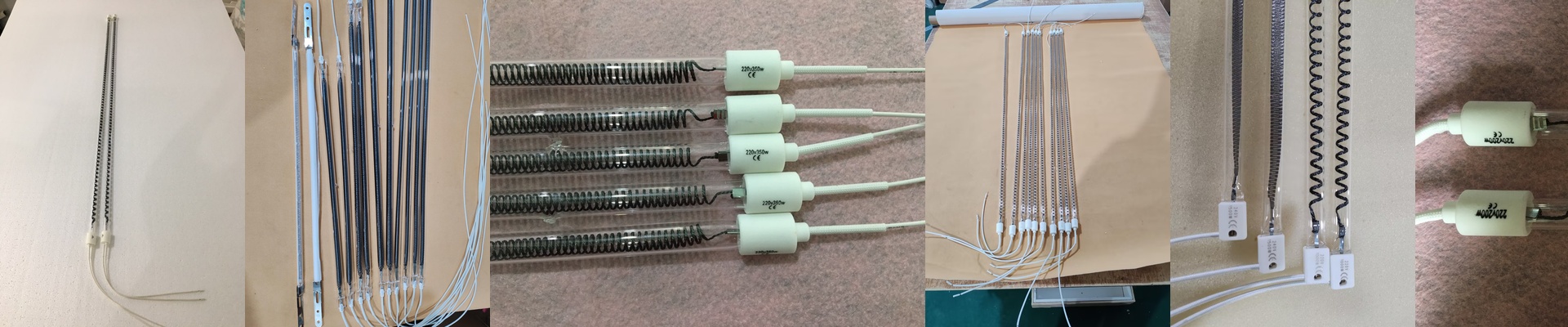
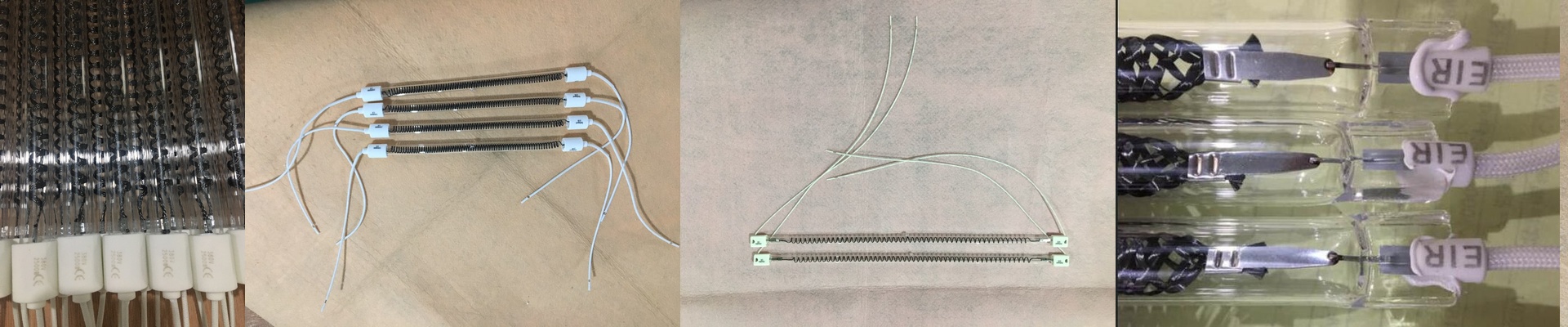
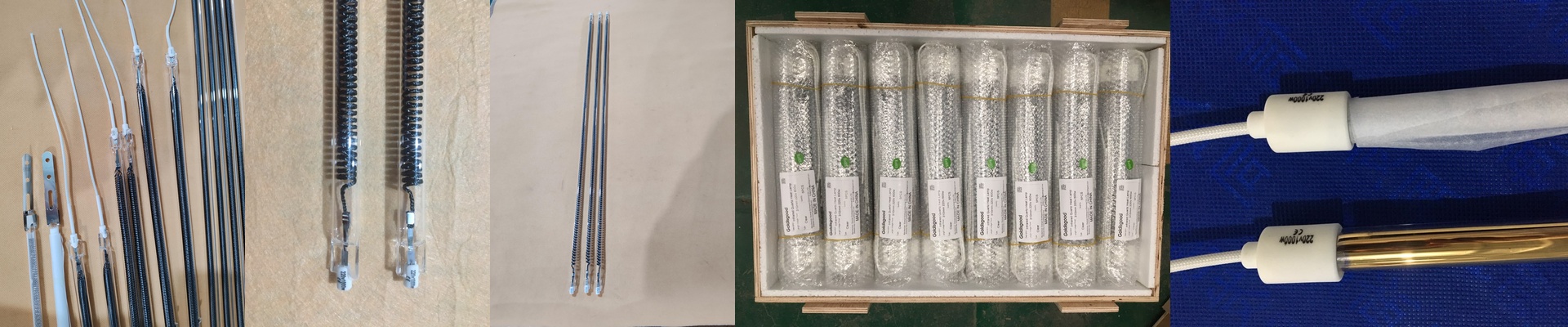
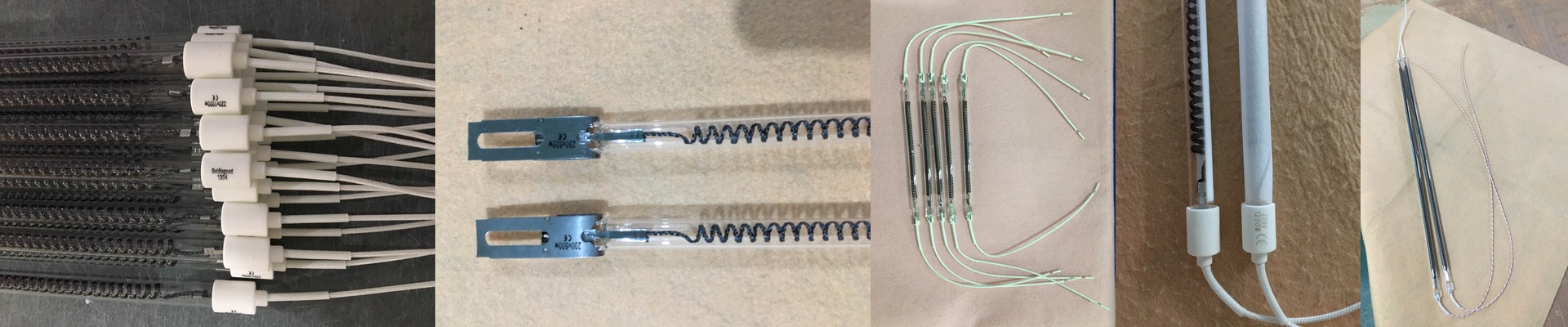
To get that rock-solid power output, we have to obsess over the filament. When a lamp runs for 24 hours straight, voltage swings and filament sagging start to creep in. We use high-purity quartz glass to keep the halogen cycle tight. Why? Because it stops the tungsten filament from evaporating in patches. And here is a pro tip:stop over-driving your lamps. I see people push their lamps to 110% of their rated wattage just to shave a few seconds off the line speed. All that does is burn out the ends of the lamp. We prefer to balance the wattage across the entire tube. That way, the heat density stays flat from one end to the other. No hot spots, no cold spots. Just steady heat.
Hardware that doesn’t quit
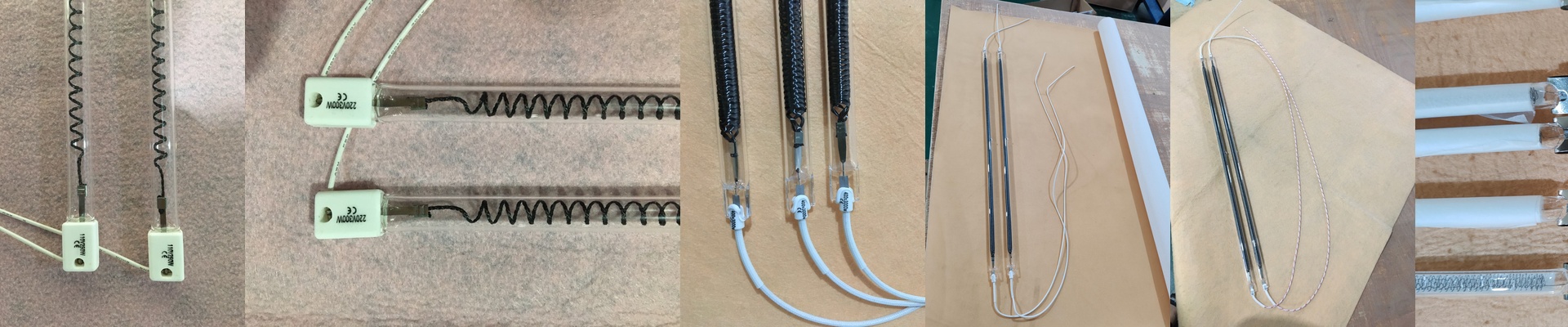
Brake plants are noisy, shaking environments. Vibration is everywhere. Most people overlook the connectors, but that’s where the trouble starts. A loose connection creates resistance. Resistance creates heat. Eventually, your housing melts. It’s a mess. We use heavy-duty connectors and reinforced leads with precision-fit contacts. It keeps the electrical path clean and, more importantly, it stays put. We also went with a thick-wall quartz spec for the envelope. It’s built to take a beating from the conveyor’s constant humming and shaking without cracking.
The reality check
Now, high-wattage quartz modules are great for fast throughput, but they pull a lot of juice from your electrical panel. Here’s the thing: the best hardware in the world can’t fix a bad power grid. If your power supply is jumping around, your lamps will flicker and your temperatures will swing. To actually hit that “zero fluctuation” goal, you’ve got to pair these modules with a stable power source and a dedicated PID controller. Once you have that control loop locked in, everything just… works.