Getting the Heat Right: A Real-World Guide to Custom Curing Walls
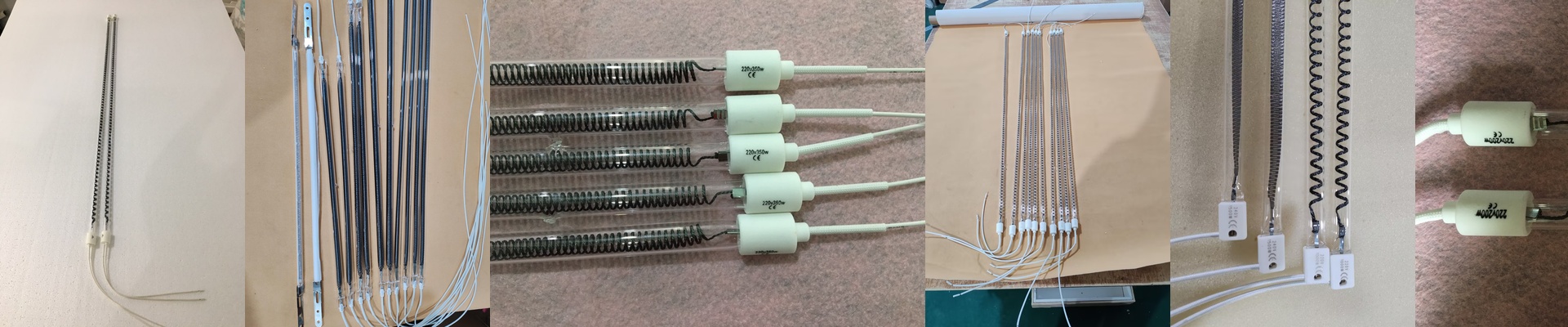
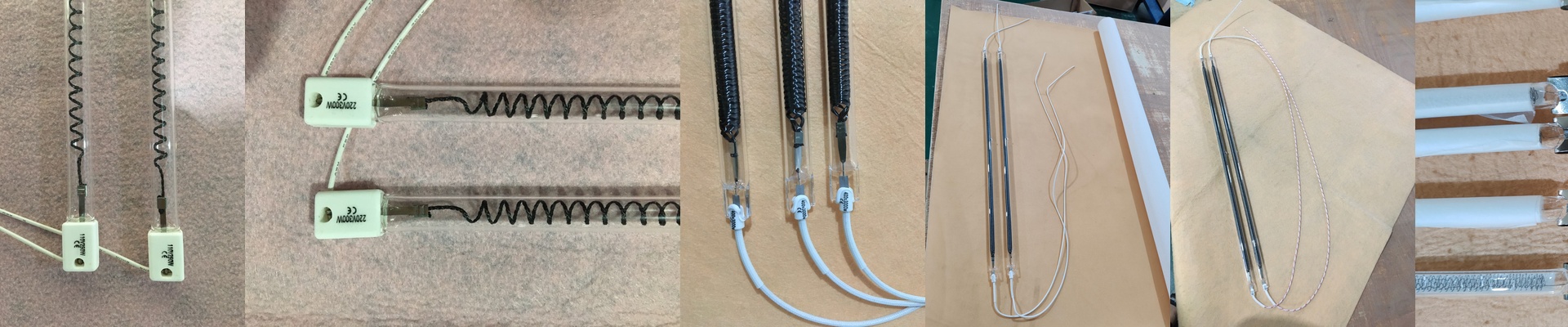
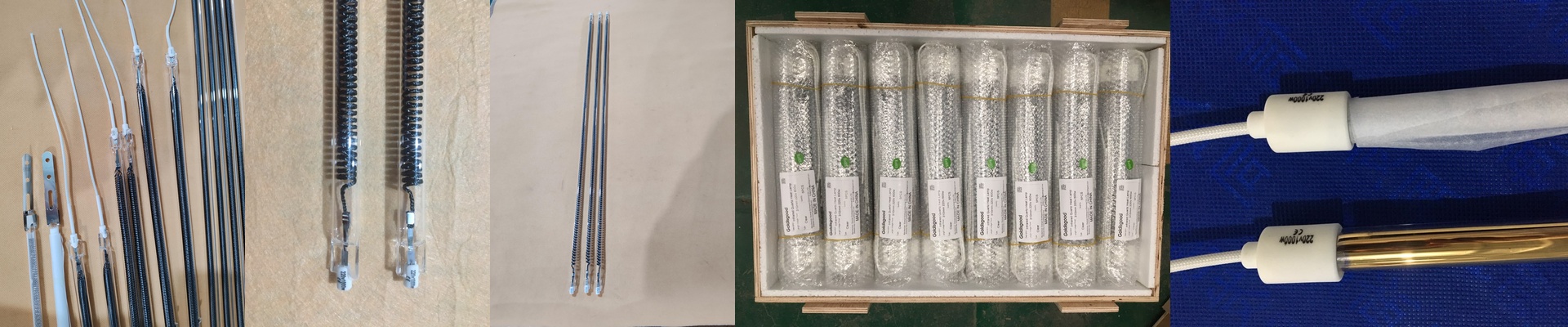
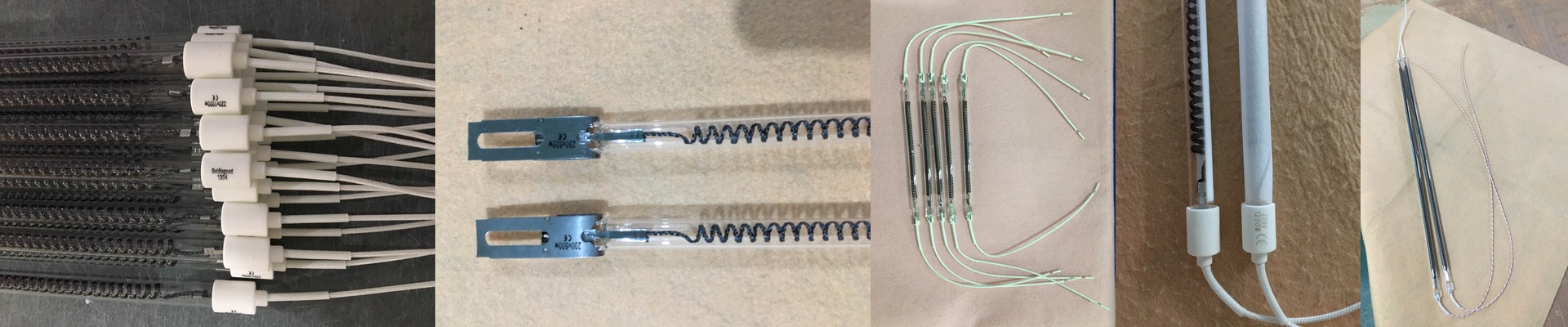
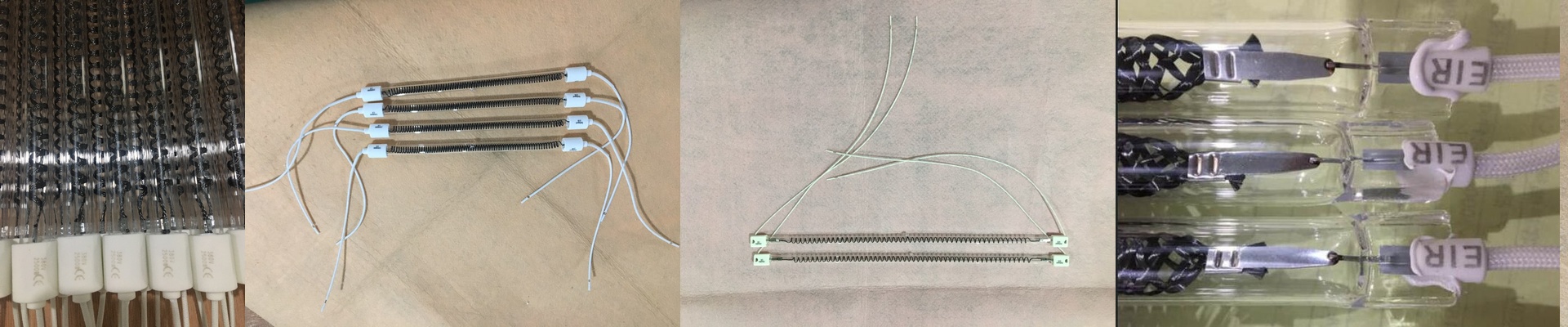
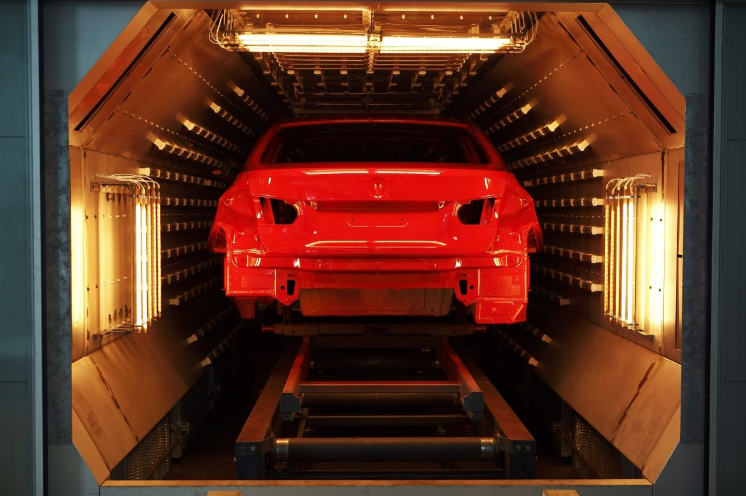
When we’re putting together a heating wall for a paint booth or a brake lining oven, most people focus on the total wattage. But here’s the thing: the wattage isn’t actually the hard part. The real headache is the vertical distribution. Think about it. Every car has a different shape. If you just space your lamps evenly from top to bottom, you’re asking for trouble. You’ll end up with a roof that’s practically scorching while the chassis stays ice cold. Nobody wants to deal with that. Matching the heat to the car We don’t just slide lamps into a rack and hope for the best. We look at the actual geometry of the vehicle. If you’re working with big SUVs, we pack more shortwave IR lamps into the bottom third of the wall. Why? Because the undercarriage is a huge hunk of metal that sucks up heat. Smaller coupes are different—they need a tighter focus right in the middle. It’s all about making sure the heat hits every inch of the part consistently. The trade-off with high-power gear We usually go with high-wattage quartz halogen tubes. They’re great because shortwave IR sinks deep into the coating, which means your cure cycle finishes way faster. But there’s a catch. When you pack these lamps tightly to get the temperature up quickly, the ambient heat becomes intense. If you aren’t careful, you can actually overheat the structural supports of the wall itself. You’ve got to find that sweet spot between lamp spacing and your exhaust airflow, otherwise, your booth is going to feel like a sauna. Making it easy to live with Wiring these things needs to be simple. We use modular connectors so that replacing a lamp is a breeze. If a tube pops mid-shift, you just drop in a new one. You shouldn’t have to rewire an entire panel just because one bulb went out. One more tip: we like to split the vertical layout into three or four separate banks. This is a lifesaver. It lets you dial back the power on the top row while cranking the bottom row, giving you total control over how the heat wraps around the car.