Stop Your Interior Parts From Warping
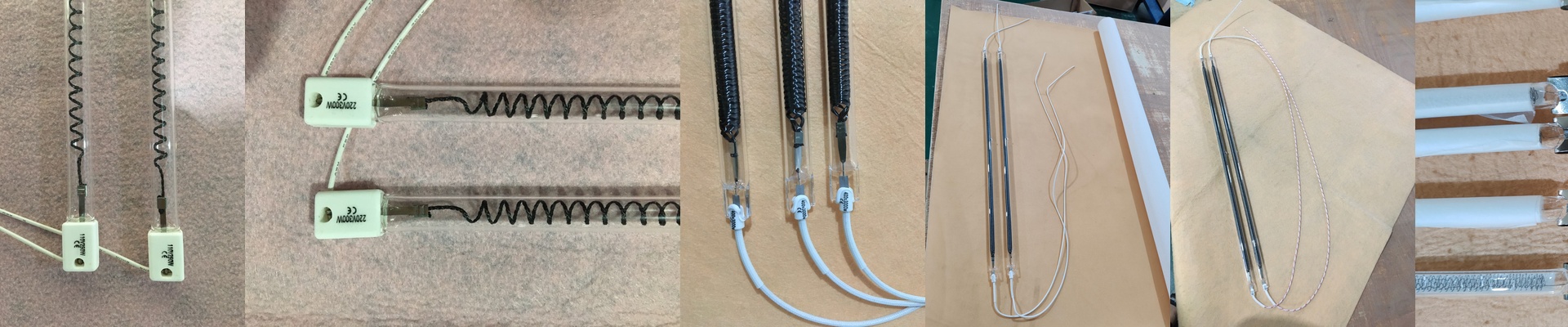
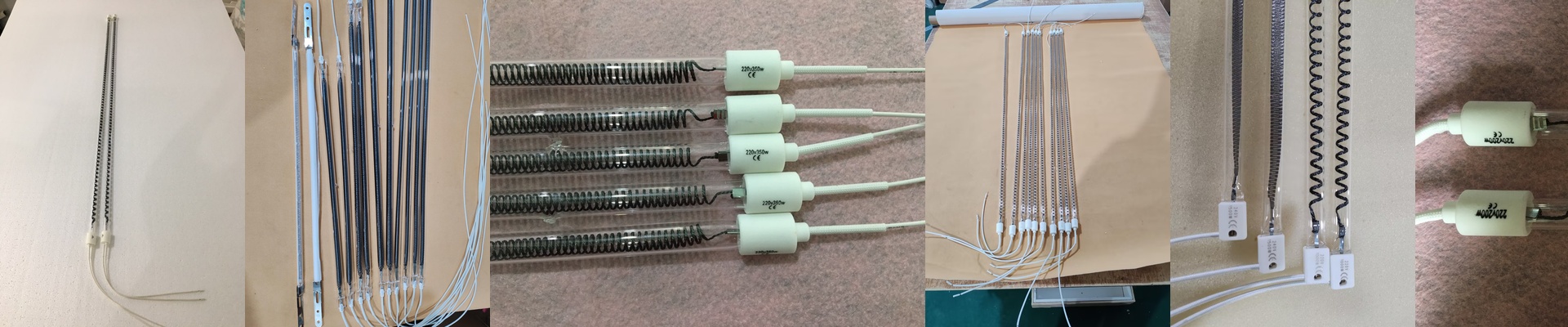
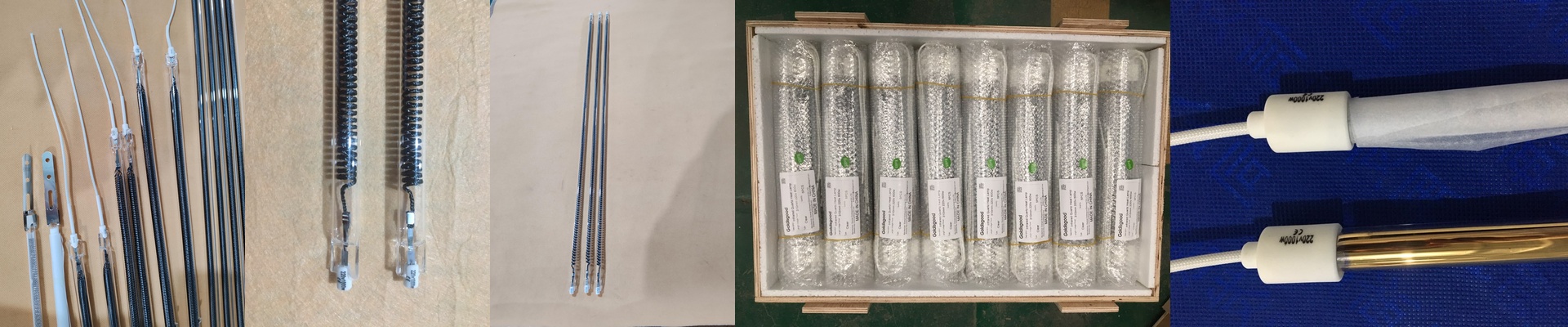
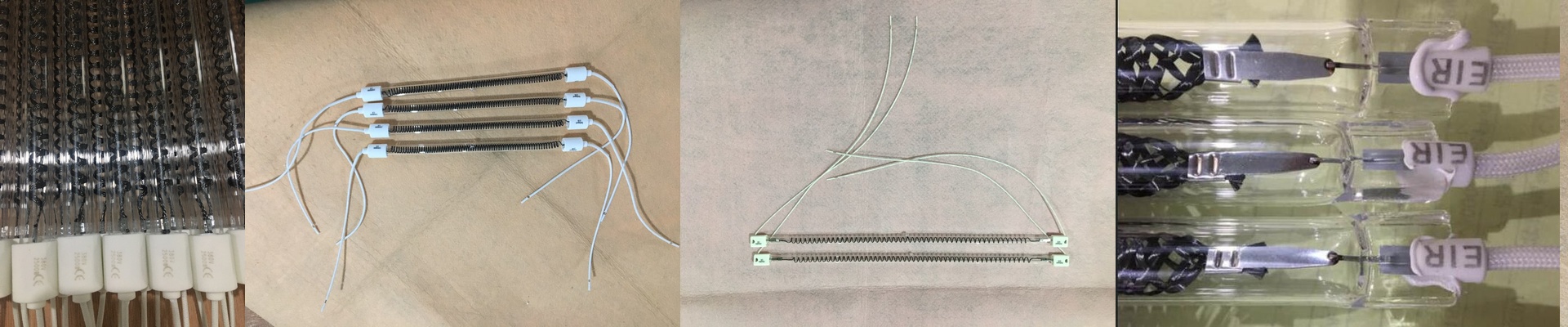
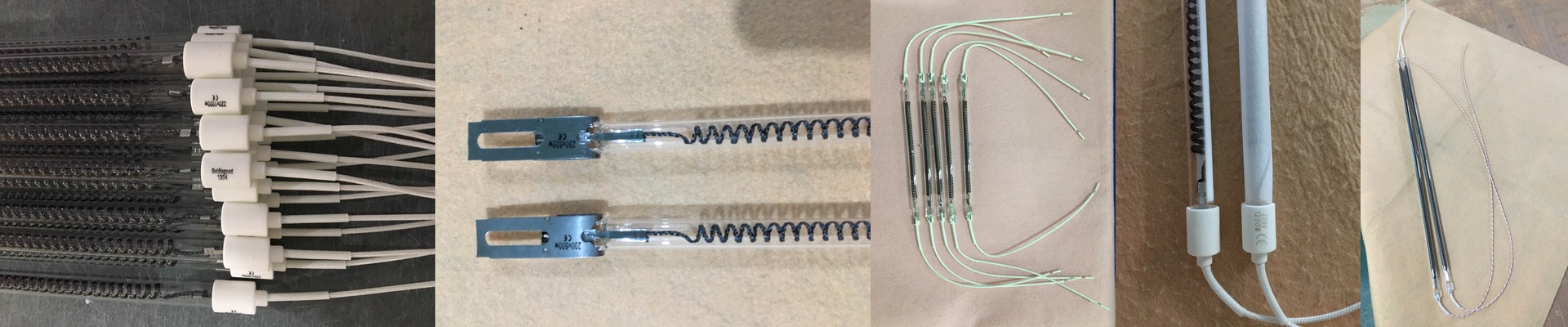
Ever pull a part out of the mold only to watch it slowly twist or spring back? It’s frustrating. You’ve done the work, but the part just won’t stay put. The culprit is usually uneven heat. When some spots are hotter than others, you get these pockets of internal stress trapped in the material. If you’re trying to hit tight tolerances, a single heat source just won’t cut it. You need to be able to control the heat in zones. Getting the heat right Most setups treat the whole part like one big block of material. We do things differently. We split the heating array into independent zones. Think of it like this: you can blast the heat into the tricky spots—the tight curves or the deep draws—without scorching the flat areas. This stops the material from “remembering” its old shape and pulling away once it’s out of the mold. Killing the stress We use short-wave IR emitters because they punch through the material fast. You want the core of the part to hit that glass transition temperature, not just the surface. Here’s the trick: when you control the heat by zone, the part cools down evenly. That’s how you kill the internal stress. If one side of a dashboard piece cools faster than the other? It warps. Simple as that. Zonal control stops that from happening. The real-world trade-offs Now, this isn’t magic—it takes some planning. High-density IR arrays pull a lot of power. You’ll need to make sure your wiring and contractors can handle the rapid cycling of all those zones. And a heads-up: more zones mean more sensors. If your tuning is off, you’ll start seeing “striping” or weird thermal bands on your parts. To avoid that, we suggest using closed-loop feedback with IR pyrometers. It keeps your surface temp within ±3°C. It’s a bit more setup upfront, but it means your parts stay exactly where they belong from the press all the way to the assembly line.