Getting Brake Pad Curing Right with IR Heating
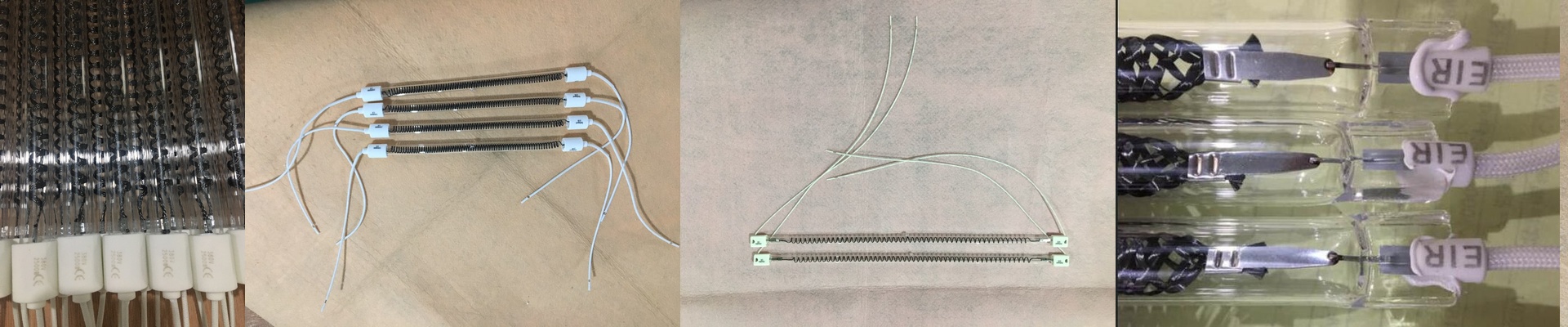
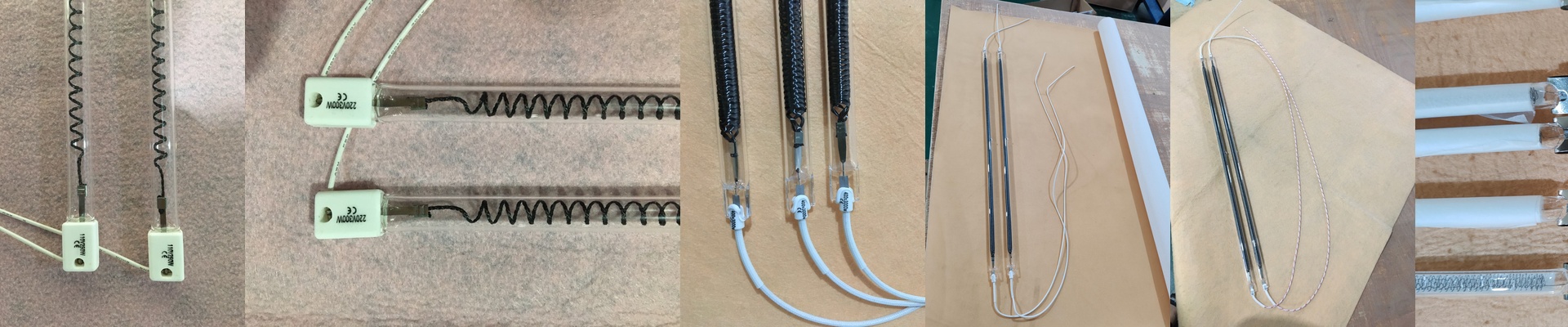
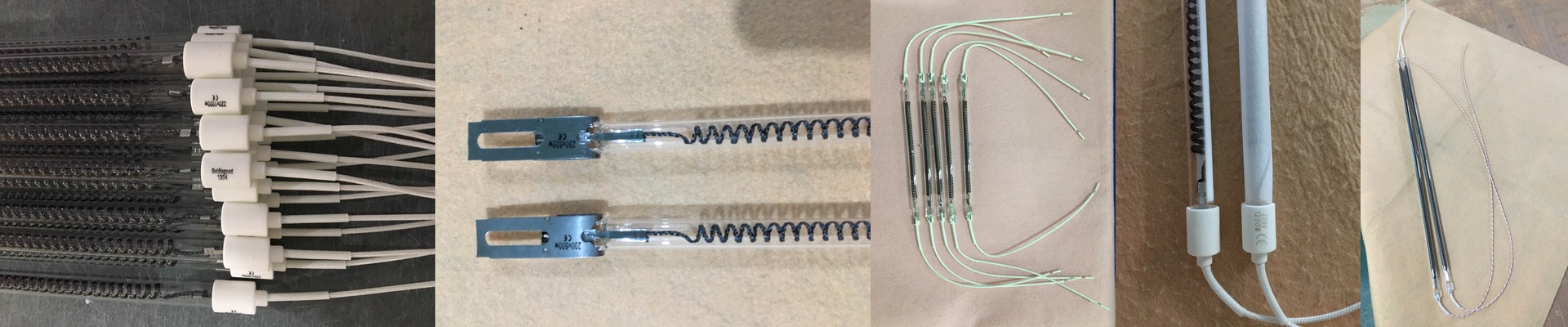
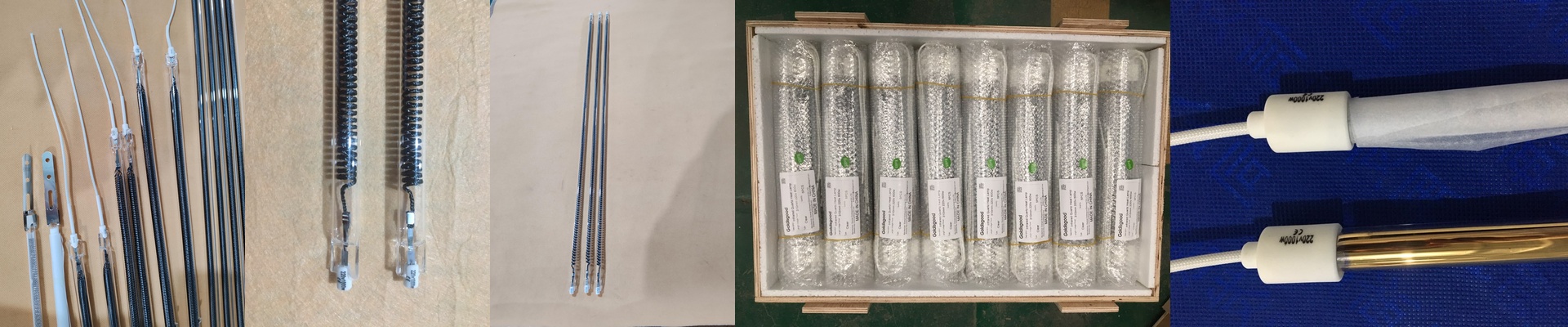
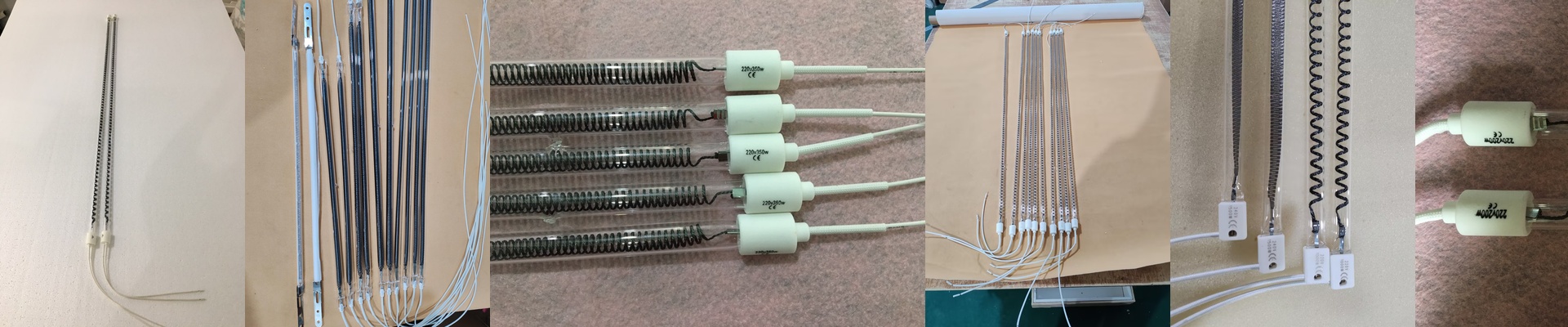
If you’ve ever dealt with brake pad curing, you know the struggle. You’re fighting a constant battle with temperature. If the outside of the pad cures too fast while the core is still cold, you’re in trouble. You get internal stress, thermal cracks, and those annoying little pores that make a part fail QC immediately. It’s a nightmare. We handle this by using short-wave infrared (IR) emitters. Unlike a standard convection oven—which basically just blows hot air around—IR actually sinks deep into the organic binders. It heats from the inside out. Avoiding the “Skin” Effect Here’s the thing about thermal cracking: it happens when the temperature gap between the surface and the center is just too wide. You can’t just blast it with heat. You need a ramp-up that lets the heat soak through the material properly. We use precision-tuned IR lamps to keep that heat flux under control. By tweaking the power, we stop “skinning.” That’s when the outside hardens into a shell and traps gases inside. Those trapped volatiles are exactly what cause the porosity that ruins your batch. The Gear That Makes It Work To get the temperatures you need without melting your tooling, we go with high-density quartz elements. The best part? They’re instant. You aren’t standing around waiting for a massive chamber to warm up. We usually hook these up to a closed-loop PID system with an optical pyrometer. The pyrometer basically watches the surface of the pad in real-time and tells the lamps to dial back the power the second it hits the target. It’s a much smarter way to work. The Catch: Power vs. Tooling Now, there is a trade-off. High-wattage IR arrays are powerful—they can cut your curing time by 40%—but they put a lot of stress on your jigs. If your metal supports are too thin and aren’t heat-sinked properly, they’ll warp. It happens. You have to make sure your tooling is beefy enough to handle that radiant load, or you’ll be replacing deformed jigs more often than you’d like. One last tip: keep your lamps clean. A little bit of dust on a quartz tube creates hot spots. That leads to uneven curing and, eventually, a burnt-out tube. Just keep them wiped down and you’re good to go.